Amazon-Friendly Kitchen and Feeding Tools: The Complete Guide
Last updated: August 12, 2026
- Amazon-friendly shopping works best when you match durability to the job instead of to the marketing.
- My goal here is to help you choose with confidence.
- First, the product should have a clear job.
- A good silicone spatula does one thing very well.
Quick Answer: the best amazon-friendly kitchen feeding tools — complete guide usually come from a shortlist of about 5 to 7 simple, repeat-use items, and this is often enough to cover most daily kitchen and child-feeding needs. Buying on Amazon without ending up with flimsy junk comes down to one plain question: which tools deserve space in your cart, and which ones will make life messier? I write about consumer products with a focus on materials, ergonomics, and daily use trade-offs, so flashy listings matter less to me than what actually survives real routines.
Amazon-friendly kitchen and feeding tools — complete guide is the topic here, and the point is practical: choose tools that ship quickly, fit common needs, and are easy to replace or return if they do not work out. Simple on paper. Not simple in practice. The marketplace is crowded with near-identical products, and the details that matter most are often buried in the photos, not the title. In 2023, the U.S. Food and Drug Administration reiterated that food-contact material safety depends on the specific material and use, not on marketing language alone.
My goal here is to help you choose with confidence. I will show you what to prioritize, where Amazon is a good place to buy, where it is not, and how to avoid the common mistakes that waste time and money. If a product is for a child with feeding concerns, consult a pediatrician or feeding therapist before you buy.
What “Amazon-Friendly” Really Means for Kitchen and Feeding Tools
Amazon-friendly does not mean “has the most reviews.” It means the tool is easy to buy, easy to understand, easy to use, and easy to replace if it fails. This is the standard I would use for a spoon, a lunch container, a bottle brush, a prep board, a high chair accessory, or any other kitchen-and-feeding item that sees daily abuse.
Four things usually decide it.
First, the product should have a clear job. A good silicone spatula does one thing very well. A weird hybrid tool that claims to chop, scrape, stir, and serve usually does none of those jobs as cleanly as separate tools. This is why a simple tool often beats a clever one. Overstuffed gadgets can be a clown car.
Second, the listing should tell me the materials. For feeding tools, that matters more than color or “premium” branding. Food-contact silicone, stainless steel, glass, and certain plastics all have different strengths. If a listing is vague about materials, I treat that as a warning sign, and I would consult a pediatrician or other qualified professional if the product is for a child with feeding needs. The FDA’s food-contact material guidance is a better reference point than product copy.
Third, the product should be easy to clean without drama. Kitchen and feeding tools live close to food, sticky hands, milk residue, pasta sauce, and small crumbs. If a tool has hard-to-rinse seams, trapped moisture, or a shape that collects grime, I do not consider it Amazon-friendly, no matter how clever it looks.
Fourth, it should be easy to buy from more than one place. I like Amazon when it gives me range and convenience, but I do not want a product that only exists on Amazon. A good option should usually be available at Amazon plus at least one other retailer such as Walmart, Target, Best Buy, or the brand’s own site. That gives you backup if shipping, stock, or returns get annoying.
For food safety and materials questions, I also trust authoritative sources more than product copy. If you want a deeper check on material safety and food-contact basics, I would start with the U.S. Food and Drug Administration’s food-contact material guidance and the American Academy of Pediatrics for child feeding basics. Those are better anchors than any marketplace listing.
The Real Difference Between Reusable Basics and Specialized Feeding Gear
Reusable basics win for most people. Specialized feeding gear wins only when you have a very specific problem to solve. This is the core distinction I would keep in mind before buying anything.
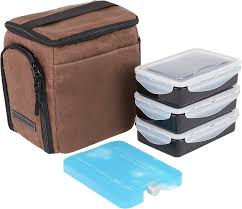
Reusable basics are your workhorses: spatulas, mixing bowls, lunch containers, bottle brushes, bibs, cups, spoons, and storage items. They are flexible, easy to replace, and usually cheaper than the specialized stuff. Their strength is that they stay useful even if your routine changes. A stainless steel mixing bowl does not care whether you are whisking eggs, tossing salad, or rinsing fruit. A simple silicone bib can work for baby-led weaning, yogurt mornings, or messy snack time.
Specialized feeding gear is narrower. Think suction plates, divided toddler trays, travel bottle warmers, portioned snack boxes, or weighted straw cups with specific features. These can be brilliant when they solve a repeated problem. They can also become clutter fast if the problem is temporary. A suction plate is helpful if your toddler likes to launch dinner across the room. It is not especially useful if your child outgrows that phase in a month and you are left storing three extra pieces that do not stack well.
The real difference is not quality. It is tolerance for specificity. Reusable basics tolerate change. Specialized tools demand that your problem stays the same long enough to justify the purchase.
This is why I usually recommend starting with the basics unless you already know the exact pain point. If your kitchen setup is still evolving, or your child’s feeding stage is changing every few weeks, broad-use tools are the safer buy. If you have one repeated frustration that a tool clearly addresses, then specialized gear can be worth it.
Reusable Basics: Who Should Actually Use This (and Who Shouldn’t)
Reusable basics are the right choice for most households because they reduce decision fatigue. If I were outfitting a kitchen or feeding station from scratch, I would start here first. These are the tools that do not need a lot of explanation, and that is part of their value.
They are especially good for busy parents, first-time home cooks, renters, college households, and anyone trying to keep storage under control. A good basic tool does not demand a learning curve. It should be obvious how to wash it, stack it, store it, and use it again tomorrow. That matters when you have a sink full of dishes and a child who is done waiting.
The strengths are practical. Basic tools are usually easier to match, easier to replace, and less likely to create clutter. They also tend to have fewer failure points. A plain silicone spoon has no latch to break. A straightforward food container has fewer moving parts than a novelty lunch box with five tiny hinges and a seal that never lines up.
The honest downside is that basics can be too basic. If you have a very specific issue, a standard item may not solve it well enough. A shallow bowl will still spill. A generic cup may still leak. A soft bib may still miss the floor. In other words, “good enough” can become “not enough” if your actual problem is persistent.
Here is the profile I think suits reusable basics best: you want dependable tools, you do not want to spend weeks comparing features, and you care more about cleaning and storage than about niche performance. Skip this route if your current pain point is unusually stubborn and repeatable. If that is your situation, you may need a specialized tool instead of a general one.
Specialized Feeding Gear: The Specific Situations Where It Wins
Specialized feeding gear wins when the failure mode is predictable. That is the simplest way I can say it. If the same problem keeps showing up in the same way, a tool designed for that problem can save a lot of frustration.
A suction plate is the clearest example. It is not better because it is “fancier.” It is better if the child repeatedly tips plates, pushes food off the table, or treats dinner as a physics experiment. If that pattern continues, a suction plate can reduce cleanup and stress, but if the behavior is uncommon, a pediatrician or feeding specialist may be the better source of advice. The suction is doing real work there. A divided plate can also earn its place when food separation matters for texture-sensitive eaters or when you need portion cues. A weighted straw cup makes sense when a child is learning to drink independently and tipping is the main issue.
The strength of specialized gear is that it can improve one frustrating moment over and over again. That kind of repetition matters. A tool that reduces one daily battle can be worth more than a drawer full of generic items.
But the drawback is just as real. Specialized tools are often harder to wash, harder to store, and less adaptable. Some require exact assembly. Some only work on very smooth surfaces. Some do one job well and feel awkward for everything else. A suction bowl that performs beautifully on the high chair tray may be disappointing on a textured table. A travel feeding tool may be wonderful in a diaper bag and irritating in a normal kitchen drawer.
My recommendation is straightforward: choose specialized gear only when the need is recurring, specific, and annoying enough that a broad-use item keeps failing you. If the problem is rare, skip the specialty item. If the problem is daily and obvious, specialized gear can be the smarter Amazon buy.
The Honest Side-by-Side
Reusable basics and specialized feeding gear are not rivals so much as different answers to different problems. Basics win on flexibility. Specialized gear wins on precision. The right choice depends on how stable your routine is and how narrow the problem really is.
| Criteria | Reusable Basics | Specialized Feeding Gear | Winner for [condition] |
|---|---|---|---|
| Ease of choosing | Simple, fewer feature decisions | More feature-heavy, easier to overbuy | Reusable basics for first-time buyers |
| Works across different stages | Yes, usually useful for years | No, often tied to one stage | Reusable basics for changing routines |
| Problem-solving power | Moderate, broad coverage | High for one narrow issue | Specialized gear for repeated frustrations |
| Cleaning burden | Usually lower and more forgiving | Often higher because of seams and parts | Reusable basics for easy cleanup |
| Storage footprint | Often stackable and simple | Can be bulky or oddly shaped | Reusable basics for small kitchens |
| Risk of regret | Lower, because items stay useful | Higher if the problem disappears | Reusable basics for uncertain needs |
| Performance on one task | Good, but not always excellent | Often better when the task is specific | Specialized gear for recurring pain points |
| Likelihood of clutter | Lower | Higher if bought “just in case” | Reusable basics for minimalists |
| Replacement ease | Usually easy on Amazon and elsewhere | Depends on the brand and design | Reusable basics for backup purchases |
| Best fit for Amazon shopping | Strong, because comparison is simple | Strong only when specs are clear | Reusable basics for fast, low-risk orders |
What this table really says is that the safer Amazon purchase is usually the boring one. That does not mean the specialized item is bad. It means the specialized item should earn its place by solving a very specific problem you already have.
The Real Difference Between Cheap Tools and Well-Made Tools
Cheap tools are only “cheap” if they do not fail quickly. Well-made tools cost more in patience, not just money, because they usually ask you to pay attention to materials, shape, and fit. This is the difference I care about most when I shop Amazon kitchen and feeding gear.
A cheap tool can still be a good buy if it is simple and low-stakes. A plain spatula or basic snack container does not need luxury treatment, but if the item is for a child with feeding concerns or a safety-sensitive use, consult a pediatrician, therapist, or other qualified professional and check FDA guidance before deciding. Once a tool touches food daily, survives repeated washing, or needs to hold up under pressure, build quality starts mattering a lot more.
Well-made tools usually have better edges, tighter seals, sturdier hinges, less weird flex, and fewer “almost right” compromises. That matters because the consequences of failure are practical. A flimsy container leaks in a bag. A weak spoon bends when scooping dense food. A poorly designed cup encourages spills that no one wants to clean up twice.
The downside of well-made tools is that people sometimes overspend on quality they do not need. You do not need premium engineering for every kitchen item. A good basic whisk does not need a dramatic brand story. A toddler spoon does not need to be an heirloom. The mistake is not buying cheap; the mistake is buying cheaply made tools for jobs that need consistency.
My rule is simple: if the tool will contact liquid, carry food in transit, or be used by a frustrated child, I care more about build quality. If it is a low-risk, static tool used occasionally, a simpler option may be enough. Amazon-friendly shopping works best when you match durability to the job instead of to the marketing.
The Specific Situations Where Amazon Is the Right Place to Buy
Amazon is the right place when you want speed, comparison shopping, and replacement convenience. This is the honest answer. I would use Amazon most often for kitchen and feeding tools that are standardized and easy to evaluate from photos, dimensions, and materials.
It is especially useful for common items like silicone spatulas, food storage containers, bottle brushes, bibs, lunch accessories, ice cube trays, mixing bowls, and simple feeding sets. These products are easy to compare side by side, and Amazon’s search filters can help if you know what material or size you want. For simple replacements, the convenience can save a day or two.
Amazon also makes sense when you need to replace a lost item quickly. If a lid goes missing, a spoon breaks, or you need a backup set for school or travel, Amazon’s convenience is hard to beat. That convenience is not trivial when a missing tool disrupts the next morning’s routine.
The weakness is obvious: Amazon can make too many mediocre options look interchangeable. The listing photos often do more work than they should, and similar-looking products can vary a lot in fit, thickness, or seal quality. That is why I pay attention to return policies, material disclosure, and whether the product is sold by a brand that also exists outside Amazon.
I would also avoid Amazon as the only source when a product depends on precise sizing, warranty support, or customer service after the sale. In those cases, I want a backup retailer or the brand’s own site. You should be able to find good kitchen and feeding tools at Amazon, but you should not let Amazon be the only reason you buy them.
Our Verdict: Which One to Choose and Why
Choose reusable basics if you want tools that stay useful across stages, are easy to clean, and do not turn your drawer into a graveyard of one-purpose gadgets. Choose specialized feeding gear if you have one repeated, annoying problem that a broad-use tool keeps failing to solve. Neither if you are buying for a temporary phase, an unclear need, or a product that looks clever but has no obvious daily job.
That is the cleanest recommendation I can make.
If you are outfitting a kitchen or feeding setup from scratch, I would start with the basics: simple containers, durable spoons, a decent bib, a bottle brush or cleaning brush if relevant, and a few well-made food-contact tools. Those items handle the most situations with the least regret. They are the best Amazon-friendly buys because they are easy to compare, easy to replace, and unlikely to become clutter.
I would move to specialized gear only after a pain point repeats enough times to justify it. For example, if suction keeps food from flying off the tray, the specialized item earns its keep. If your child simply dislikes one bowl, the problem may not be the bowl. It may be the stage, the food, or the routine.
My bias is clear: I prefer the boring, dependable purchase first, the specialty purchase second. That order saves money and storage space, and it keeps you from filling the cart with “maybe this will fix it” items that never quite do.
When to Reconsider This Choice Entirely
There are a few cases where the whole basics-vs-specialized decision is the wrong frame.
First, if the product is for a child with a medical, swallowing, or feeding concern, do not shop only by Amazon listings. This is a situation where you should involve a pediatrician, feeding therapist, or another qualified professional. The tool choice may need to match a specific therapy goal, not a consumer preference.
Second, if the item must meet a formal safety or compliance standard, the brand’s documentation matters more than the marketplace ranking. That applies to some child products, storage items, and anything that will be used in a way that raises safety questions. In those cases, read the documentation carefully and check authoritative guidance from organizations like the U.S. Food and Drug Administration or the Consumer Product Safety Commission.
Third, if your kitchen is already crowded, skip all nonessential specialty tools. Space is a real cost. A clever item that lives in a drawer for months is not a bargain.
Fourth, if you are shopping because a tool broke and you are angry, pause. Angry buying creates duplicates. I would wait long enough to decide whether you need the same tool again or a different category of tool altogether.
The right time to buy is when the problem is clear. The wrong time is when the product is trying to create the problem for you.
FAQ
What kitchen and feeding tools are easiest to buy on Amazon without regret?
The safest Amazon buys are simple, repeat-use items: silicone spatulas, mixing bowls, food storage containers, bottle brushes, bibs, and basic feeding spoons. They are easy to compare, easy to replace, and