Breastfeeding one-pot meals
Last updated: November 05, 2026
Quick Answer: breastfeeding one-pot meals are a low-effort way to get a filling dinner on the table with one pot to wash, and this guide gives you six core formats, four selection traits, and one simple method.
Key Takeaways
- One pan and one full plate is the main win after birth.
- Start with aromatics, then add starch and protein, and finish in the same pot.
- Lentils, rice, beans, pasta, broth, and ground turkey each play a different role in a meal.
- Stovetop cooking keeps browning, simmering, and finishing in one vessel.
Breastfeeding one-pot meals: low-effort recipes for busy postpartum days are built for nights when one hand is busy and cleanup is the bottleneck. Choose a pot, Dutch oven, or deep skillet; keep the ingredient list short; and cook foods that can share the same liquid, heat, and timing.
These are not fancy recipes. They are the kind of stovetop meals that let lentils, rice, beans, pasta, broth, and ground turkey do most of the work while you do the minimum. They fit the postpartum window because they ask for one burner, one cutting board, and very little attention. They are also honest about the downside: one-pot cooking can get bland, soft, or same-y if the base is weak, so the trick is to build enough flavor without adding more dishes.
If you want a broader set of meal ideas after birth, the hub on breastfeeding meal ideas after birth can sit above this page.
What makes a one-pot meal worth making after birth
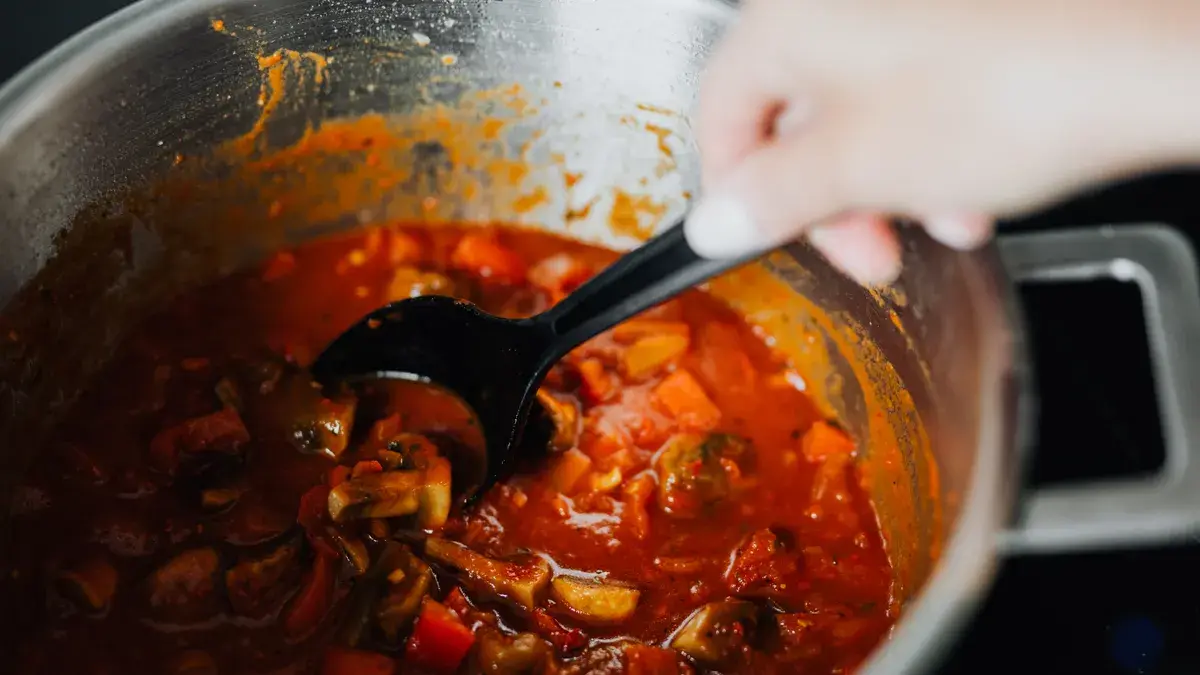
A good one-pot meal is worth making after birth because it leaves you with one pan to wash and a full plate to eat. That sounds obvious, but the difference between a decent recipe and a postpartum staple is usually 10 minutes of cleanup, not 10 minutes of cooking.
The most useful versions usually share four traits:
- They use one cooking vessel from start to finish. A large pot, 12-inch skillet, Dutch oven, or braiser handles the whole job. If a recipe asks for a saucepan, a skillet, and a casserole dish, it is not a true low-effort meal.
- They rely on pantry staples with a long shelf life. Rice, dry or canned beans, lentils, pasta, broth, canned tomatoes, and frozen vegetables make cooking possible on days when grocery trips are not happening.
- They forgive interruptions. A baby does not care if onions are halfway browned. Recipes that tolerate a 5-minute pause are better than ones that demand constant stirring.
- They leave a real portion of leftovers. A 4-quart pot that makes 4 to 6 servings is often the sweet spot for one postpartum dinner and the next day’s lunch.
This is also where a lot of generic postpartum food advice gets it wrong: it treats “easy” as a synonym for “quick,” when the more useful measure is sink time. If you are unsure what your body needs after birth, consult a registered dietitian or clinician, and use guidance from the NHS breastfeeding overview rather than guessing. A 20-minute recipe that uses three pans may be worse than a 35-minute recipe that stays in one pot.
I would not choose one-pot meals if the kitchen is too small for a pot that holds at least 4 quarts, or if you need strict texture control for every component. A one-pot rice dish will not taste like separate rice, separate vegetables, and separate protein. The trade-off is the point: one heat source, one cleanup job, one meal.
How do I cook one meal with minimal cleanup after birth?
Cook the whole meal in one pot by starting with aromatics, adding the main starch and protein together, then using the lid and simmer time to finish the rest. The method is simple, but order matters if you want food that cooks evenly instead of a mushy edge and a raw center.
Use this core procedure for most breastfeeding one-pot meals:
- Set out 1 pot, 1 cutting board, and 1 knife. A 4-quart to 6-quart pot is enough for a family-size meal and small enough to move with one hand if needed.
- Heat 1 to 2 tablespoons of oil over medium heat. Cook onion, garlic, or celery for about 3 to 5 minutes until fragrant. This gives the pot a flavor base before anything else goes in.
- Add the protein that needs the longest cook time first. Ground turkey, dried lentils, or cubed chicken go in before quick-cooking vegetables. If using ground turkey, break it up in the pot and cook until no pink remains.
- Stir in the starch and liquid. Add rice with broth, pasta with broth or water, or beans with broth and tomatoes. The liquid should cover or nearly cover the ingredients, depending on the recipe style.
- Cover and cook at a steady simmer. Keep the heat low enough that the pot bubbles gently, not hard. Rice and lentil dishes usually need around 20 to 30 minutes; pasta dishes are often closer to 12 to 15 minutes.
- Add quick vegetables near the end. Spinach, frozen peas, or chopped zucchini only need the last 3 to 5 minutes. This keeps them from disappearing into the pot.
- Finish with salt, acid, and fat. A squeeze of lemon, a spoonful of yogurt, grated cheese, or a drizzle of olive oil makes the meal taste finished without another pan.
This procedure cuts dishes because it avoids separate pots for grains, sauce, and protein. It also keeps the recipe flexible. If your baby wakes mid-recipe, the pot can usually sit off heat for a few minutes and return to the burner without disaster.
The mistake to avoid is adding everything at once and hoping it all finishes together. That costs you texture. Rice can go gummy, pasta can overcook, and vegetables can vanish. The fix is simple: put the slowest ingredients in first, then layer the fast ones at the end.
Breastfeeding one-pot meals with lentils, rice, beans, pasta, broth, and ground turkey
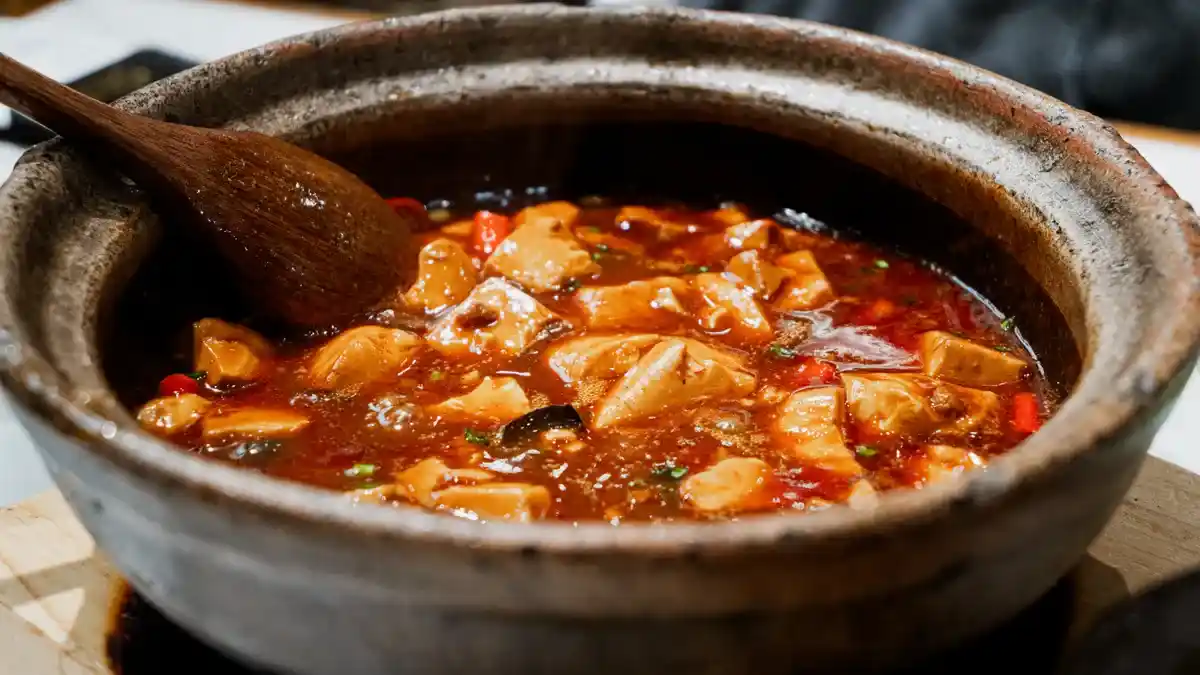
These ingredients work because they are cheap in cleanup, not because they are trendy. Lentils cook quickly, rice stretches a pot, beans bring protein and body, pasta makes a dinner feel complete, broth carries flavor, and ground turkey gives you a fast-cooking anchor protein. Each ingredient does a different job, and many postpartum meals use at least two of them.
Here are the combinations I would keep on repeat:
- Lentil tomato soup with broth: Brown onion and garlic in a pot, add 1 cup lentils, 1 can tomatoes, 4 cups broth, and carrots or spinach. Simmer until the lentils are soft. This is a strong choice when you want something spoonable and filling without much chopping.
- Rice and bean skillet with salsa: Cook onion, stir in 1 cup rice, 1 can beans, 2 to 2½ cups broth, and a few spoonfuls of salsa. Cover and simmer until the rice is done. Top with cheese if you have it. This works well when you want a pantry meal that feels more substantial than plain rice.
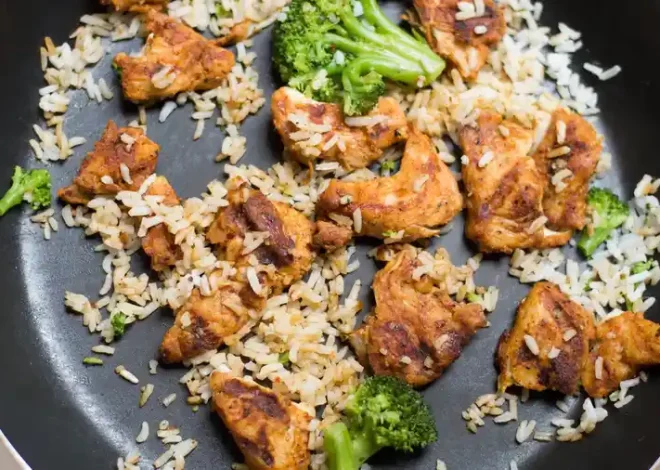
- Ground turkey and rice soup: Brown 1 pound ground turkey in a Dutch oven, then add broth, rice, diced vegetables, and seasoning. Simmer until the rice softens. This is useful when you want protein without handling a large roast or multiple pans.
- One-pot pasta with beans and greens: Simmer pasta in broth with garlic, tomatoes, and white beans. Stir in spinach at the end. The pasta gives the meal body, while beans add staying power.
- Lentil and rice stew: Combine lentils, rice, broth, tomatoes, and spices in one pot. This is thicker than soup and usually more filling per bowl, which matters on days when breastfeeding leaves you hungry again in an hour.
- Turkey pasta skillet: Brown ground turkey, add pasta, broth, and tomato sauce, then finish with frozen peas or chopped zucchini. One pot, one carb, one protein, one vegetable, done.
The trade-off with these combinations is that they depend on a good liquid ratio. Too little broth and the bottom sticks; too much and the meal turns thin. For pasta, a little extra liquid can be useful because starch thickens the pot as it cooks. For rice, being precise matters more because undercooked grains stay stubborn.
A generic recipe list often forgets seasoning. Salt, garlic, cumin, paprika, Italian seasoning, curry powder, or bay leaf can change a bland pot into dinner with no extra cleanup. You do not need a long spice cabinet, just 2 or 3 seasonings that work with the ingredients you already own.
Stovetop meals that save the most sink time
Stovetop meals save the most sink time because you can brown, simmer, and finish in the same vessel without heating the oven or scraping a casserole dish later. A skillet dinner is especially useful when you want something faster than a soup but less fussy than roasting.
The most useful stovetop formats for breastfeeding one-pot meals are these:
- Deep skillet dinners: Use a 12-inch skillet with a lid for turkey, rice, beans, or pasta. The wide surface helps food cook evenly, and you can stir without splashing. This is a good choice when you want a meal ready in roughly 25 to 35 minutes.
- Dutch oven soups and stews: A 5-quart Dutch oven gives you room for broth, lentils, beans, and vegetables. The heavy lid holds moisture, which helps when you cannot babysit the pot.
- One-pot pasta: Pasta cooks directly in the sauce or broth, which means no separate draining step. This is one of the lowest-dish methods, but it needs more stirring than a stew.
- Thick stews: Lentils, beans, tomato, and broth cook down into a bowlable meal. Stews are forgiving if you need to walk away for a few minutes, because they usually improve with a little extra simmer time.
The most common cleanup mistake is using a pan that is too shallow. A shallow skillet turns broth into splatter, and splatter creates more wiping than cooking. Use a lid, and choose a vessel with sides high enough to hold a full simmer.
Another mistake is overloading the pot with too many vegetables. Ten ingredients can sound nourishing, but each extra item adds chopping time and increases the chance that the pot becomes watery or muddy. A better rule is 1 protein, 1 starch, 2 vegetables, and 1 sauce base. That is enough structure to make dinner feel complete without becoming a project.
If you are exhausted, choose the meal that needs the least knife work. Canned beans, frozen spinach, jarred sauce, and broth usually beat fresh produce on a hard day. That is not a compromise in discipline; it is a practical decision about energy.
What should I make when I want filling food, not just something “easy”?
Make a meal with protein, starch, and fat in the same pot, because that combination tends to satisfy longer than a light soup or plain pasta. Breastfeeding can make hunger feel immediate, so a meal that is only broth and vegetables often runs out of steam too fast.
The filling formula is straightforward:
- Protein: lentils, beans, ground turkey, or a mix
- Starch: rice or pasta
- Flavor and calories: olive oil, cheese, coconut milk, or a spoon of yogurt at the end
- Volume: vegetables that cook inside the pot, such as carrots, zucchini, spinach, or peas
A lentil soup becomes more filling if you add rice or serve it thick. A pasta pot becomes more satisfying if you include beans or ground turkey. A bean and rice skillet becomes better if you finish it with cheese or avocado after cooking. The point is not to pile on ingredients; it is to avoid a meal that looks easy but leaves you hungry 30 minutes later.
This is where one-pot meals beat a lot of snack-style postpartum food. A handful of crackers and a piece of cheese may hold you over for an hour, but a bowl of turkey rice soup or bean pasta usually does more for a tired evening. That matters when the next feed, diaper change, or bedtime routine is close.
The downside is that filling meals often take a little more simmer time than ultra-light ones. A true one-pot dinner built around rice or dried lentils may take 25 to 40 minutes. If the only thing you want is a 10-minute plate, this format may not be the right tool. It is for the days when you want minimal cleanup and actual staying power.
For another angle on meal ideas after birth, the hub page on breastfeeding meal ideas after birth can connect this one-pot approach to the rest of the topic.
Common mistakes that make one-pot meals harder than they should be
One-pot meals get frustrating when the recipe is treated like a shortcut instead of a cooking method. The goal is not just fewer dishes; it is fewer decisions while you are tired.
The most common mistakes are these:
- Using too little liquid. That costs you stuck rice, scorched pasta, or dry lentils. Add enough broth to keep a gentle simmer and stir once or twice during cooking.
- Choosing ingredients with mismatched cook times. Hard vegetables and quick pasta do not finish together unless you add them in stages. Put root vegetables in early and tender greens at the end.
- Skipping seasoning until the end. Bland broth stays bland. Season at the start and adjust at the end.
- Making a pot that is too large for one meal. A huge batch can become another storage job when you do not have the energy for leftovers management. A 4-quart to 6-quart pot is enough for most households.
- Treating cleanup as an afterthought. If the recipe says to sear in one pan and finish in another, it is no longer the low-effort meal you needed.
The honest limitation here is that one-pot meals are not the best fit for cooks who want separate textures and crisp edges. They are also not ideal if you need to feed several people with different dietary needs from the same pot. In that case, a more flexible meal plan may work better than a single all-purpose dinner.
For general food safety guidance on cooling and storing cooked food, the USDA Food Safety and Inspection Service has practical storage advice, and the NHS breastfeeding overview is a useful reminder that postpartum eating does not need to be perfect to be useful.
FAQ
What are the easiest one-pot meals for new moms?
The easiest one-pot meals for new moms are soup, stew, skillet rice, and one-pot pasta. They rely on a few ingredients, one pot, and short cleanup time.
Drafted with AI; not yet reviewed by a person.