Postpartum meal prep ideas for new moms: easy make-ahead meals and snacks
Last updated: August 12, 2026
Quick Answer: For postpartum meal prep ideas for new moms: easy make-ahead meals and snacks, a practical starting point is 10 to 14 meals and 14 to 21 snacks you can eat one-handed, reheat fast, and store safely. Postpartum meal prep is not about cooking like a hobby. It is about making sure you can eat one-handed, reheat food fast, and get enough fuel while you are recovering and caring for a newborn. Building postpartum meal prep ideas for new moms is simpler than people make it: aim for soft, freezer-friendly meals and grab-and-go snacks you can eat with one hand, then check with a qualified health professional about your own recovery, especially after surgery, blood loss, anemia concerns, gestational diabetes, food restrictions, or breastfeeding questions.
- Best first target: 10 to 14 freezer meals and 14 to 21 snacks.
- Best storage split: freezer meals for later, fridge meals for the next 2 to 4 days.
- Best meal shape: one-serving, soft, saucy, or spoonable food.
- Best snack shape: one-handed, shelf-stable or fridge-ready, and easy to eat in 2 to 5 minutes.
- Best safety rule: follow USDA food safety guidance for cooling, freezing, thawing, and reheating.
- Best support rule: if you had surgery, anemia, gestational diabetes, or breastfeeding concerns, check with a clinician or registered dietitian.
I write about practical nutrition and family meal planning, and postpartum meal prep ideas for new moms: easy make-ahead meals and snacks work best when they stay low-effort, low-mess, and sturdy enough to survive a day or two in the fridge without turning into a sad little science experiment.
What Postpartum Meal Prep Needs to Solve
Three things matter here: hunger, time, and energy. New moms do not need fancy recipes. They need food that can be made ahead, stored safely, and eaten without much thought.
One mistake keeps showing up in generic meal-prep advice: it treats postpartum like a busy week. Not even close. Sleep is broken, hands are full, and appetite can bounce around like a pinball. Some days call for a real meal; other days, soup and a handful of nuts are all that feels doable. The plan has to cover both. Otherwise, it falls apart fast.
So I would build around foods that are:
– easy to reheat in one serving
– soft or simple to eat while holding a baby
– balanced enough to keep you from crashing an hour later
– flexible if your appetite changes
– freezer-friendly if you cook in batches
Soups, baked egg dishes, grain bowls, casseroles, muffins, smoothie packs, energy bites, and snacks that do not require slicing five things before you can eat all fit that bill. A complicated salad bar, a fussy stir-fry station, or anything that needs last-second finishing? Leave it out. It will probably sit there.
Because recovery changes the rules, your needs may be different if you are breastfeeding, healing from birth, managing nausea, or dealing with constipation. Talk that through with a clinician or registered dietitian instead of guessing, and the Academy of Nutrition and Dietetics is a useful place to start for general guidance.
The Real Difference Between Freezer Meals and Fridge Meals

Freezer meals buy time when you have none, which is why they work so well for the first few weeks after birth. Fridge meals are better for the first few days because they are easier to grab and usually taste fresher right away. Honestly, I would use both — but if recovery looks rough, I would lean harder on the freezer.
Cook once. Portion it. Save it for later. That is the freezer-meal play. It makes sense for soups, chili, meatballs, breakfast burritos, enchilada bakes, lasagna, and cooked grains. The catch is texture; some foods get watery, grainy, or flat after thawing. Fresh herbs, crisp vegetables, and creamy sauces can take a hit.
Fridge meals fit the short window. You know you will eat them within a few days, so chopped fruit, yogurt cups, hard-boiled eggs, cooked pasta salad, hummus, and roasted vegetables make sense. The downside is obvious: they do not last as long, and a chaotic week can push them into the trash.
Here is the practical split I would use:
– freezer meals for dinners and backup breakfasts
– fridge meals for the next 2 to 4 days
– shelf-stable snacks for the nightstand, diaper bag, and nursing station
The Honest Side-by-Side
| Criteria | Freezer Meals | Fridge Meals | Winner for this condition |
|---|---|---|---|
| Shelf life | Longer storage, less urgency | Shorter storage, better for immediate use | Freezer meals if you need backup food |
| Texture after storing | Some foods lose texture | Usually fresher and brighter | Fridge meals for quick use |
| Effort at mealtime | Heat and eat | Eat now, minimal prep | Fridge meals when energy is very low |
| Best meal types | Soups, casseroles, burritos, muffins | Yogurt bowls, egg boxes, salads, fruit | Depends on how soon you will eat |
| Waste risk | Lower if portions are frozen well | Higher if plans change | Freezer meals |
| Variety | Easy to batch many servings | Better for small mixes of foods | Freezer meals for bulk prep |
| Speed of access | Slower because of thawing | Fastest option | Fridge meals |
| Comfort factor | Good for hearty, filling meals | Good for light meals and snacks | Depends on appetite |
This is not just theory. If you have one afternoon to prep, I would make freezer meals first and then add a few fridge snacks for the next few days. That gives you both backup and convenience; the USDA Food Safety and Inspection Service has clear guidance on cooling, freezing, and reheating.
Freezer Meal Ideas That Actually Make Sense After Birth
Main meals belong here because freezer meals matter most when you are too tired to think. I would focus on recipes that reheat evenly and still taste fine after thawing. Moist, saucy, or spoonable food usually wins.
My strongest picks are:
– chicken, lentil, or vegetable soup
– turkey or bean chili
– baked ziti, lasagna, or other pasta bakes
– enchiladas
– meatballs with sauce
– breakfast burritos
– baked oatmeal squares
– egg muffins or mini frittatas
– curry with rice
– shepherd’s pie or cottage pie
– stuffed peppers
These work because they are self-contained. No separate sauce, garnish, or side dish is required to make them feel complete. That matters when your attention is already gone.
The weak spots are real, though. Some pasta turns soft. Rice dries out if you do not add enough liquid when reheating. Cream sauces can split. Big casseroles take longer to thaw, and that is a pain if you forgot to move one ahead. So I would portion meals into single servings or small family portions, not giant pans that trap you in one food for a week.
A few practical rules help:
– Cool food fully before freezing.
– Freeze in flat bags or shallow containers to save space.
– Label the contents and the date.
– Keep toppings separate when possible.
– Aim for foods with protein, carbs, and some vegetables in the same dish.
Breakfast is often the meal that gets skipped first and caught up on last. That is why baked oatmeal, breakfast burritos, and egg muffins deserve a spot in the freezer. They are not glamorous, but they work at 6 a.m. with one hand free. If you want more structure, a simple meal prep guide and freezer meals checklist can help you plan the batch.
Fridge Meals and Snack Boxes for the First Few Days
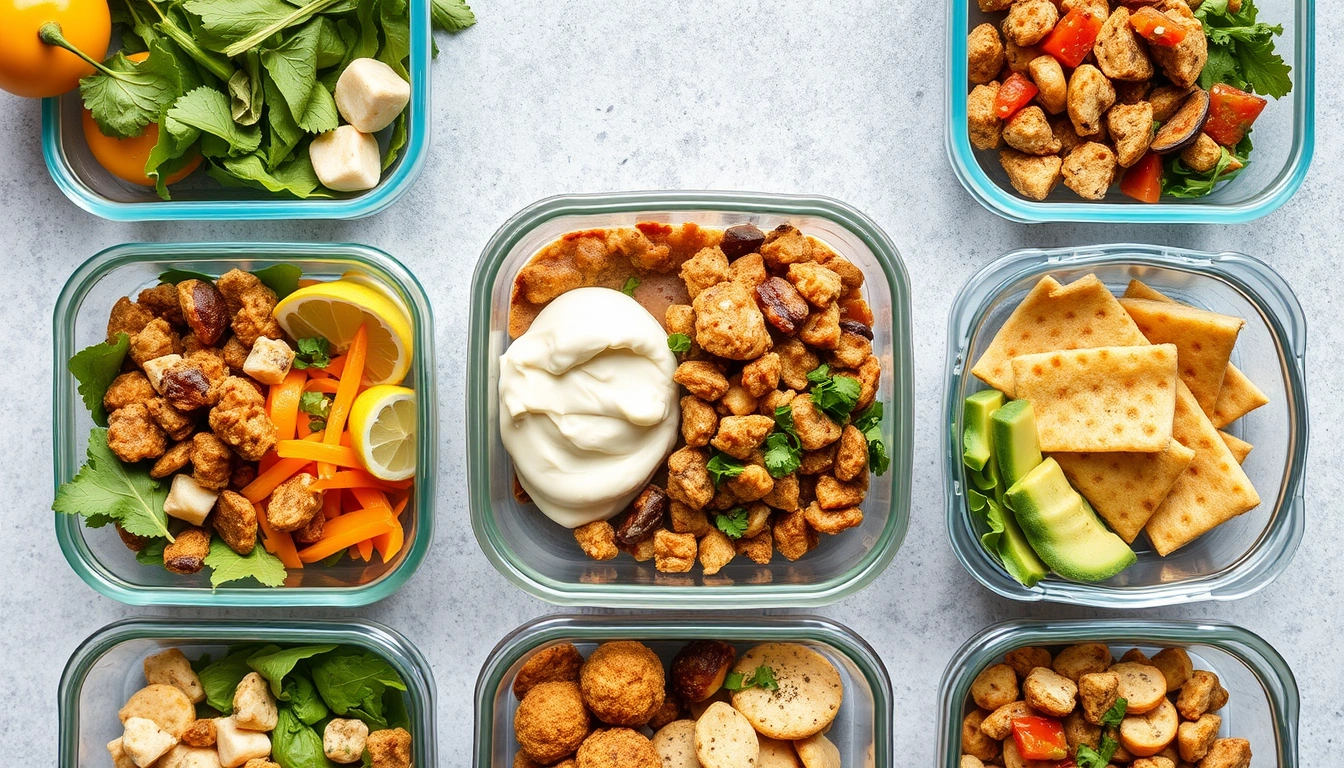
For the first 72 hours, fridge meals win because they are immediate. No thawing. No waiting. You can assemble them in a few minutes. I would treat fridge prep as support food, not the whole plan, and if you are recovering from a difficult birth or surgery, ask a clinician or dietitian whether that balance fits your needs.
Good fridge-friendly postpartum options include:
– rotisserie chicken with cooked rice and vegetables
– tuna or chickpea salad with crackers or toast
– pasta salad with beans, cheese, and chopped vegetables
– yogurt with fruit and granola
– cottage cheese with fruit
– hard-boiled eggs
– hummus with pita and cucumbers
– overnight oats
– cut fruit
– cheese and whole-grain crackers
Snack boxes are especially useful. They turn random ingredients into an actual meal. Think cheese, fruit, nuts, crackers, and a boiled egg. Or hummus, pita, carrots, olives, and a handful of grapes. Keep that box near your feeding station, and you can eat without standing in the kitchen.
But there is a trade-off: fridge meals need upkeep. Fruit browns, greens wilt, crackers go stale, and once a container has been opened and closed five times, the appeal drops. I would prep less variety than you think you need, but not just one snack type. If every box tastes the same, you will stop reaching for them. Boring food is a silent saboteur.
I would also avoid overbuilding salads. Raw greens can be nice, yet they are not the backbone of postpartum food prep. They do not hold up well, and they rarely feel filling enough on their own. A postpartum nutrition basics page can be a useful next step if you want a broader framework.
The Best Snacks for One-Handed Eating
Snack food is not a luxury in the postpartum period. It is part of the plan. I would stock snacks that can be eaten quickly, with little mess, and without needing a knife and cutting board.
The options that tend to work best are:
– trail mix or mixed nuts
– nut butter packets with bananas or toast
– energy bites made with oats and nut butter
– muffins, especially with oats or fruit
– string cheese
– yogurt pouches or cups
– boiled eggs
– roasted chickpeas
– granola bars with decent protein
– fruit leather or dried fruit
– pre-portioned popcorn
What matters most is repeatability, not perfect nutrition. A snack you will actually eat beats a perfect one sitting untouched in the pantry. I would pick foods that move easily from counter to couch to bedside table.
There are real drawbacks here too. Some snacks are easy to overdo if they are the only food nearby, and some are too dry to feel satisfying when you are exhausted. Energy bites can be sticky. Nut mixes may be awkward while you are holding a baby. Granola bars vary a lot in how filling they are. I would keep a mix of crunchy, soft, sweet, and savory snacks so you do not get stuck with one texture all day. One-note munching gets old quickly.
If you are breastfeeding, feeling hungry often is common, but individual needs vary. If appetite changes feel extreme, or if you are worried about recovery nutrition, talk with a clinician or dietitian. The CDC and NIH both have helpful general breastfeeding and postpartum health resources.
Our Verdict: Which One to Choose and Why
Pick freezer meals if you can spend one prep session and want the biggest payoff later. Pick fridge meals if you need food for the next few days and do not want to think about thawing. Neither works well if your plan depends on elaborate recipes, strict dieting, or foods you do not actually like enough to eat when exhausted.
My recommendation is a hybrid plan: 70% freezer meals, 30% fridge snacks and breakfasts. That gives you real backup food and a few immediate options for the nights and mornings when everything feels harder than expected.
If I had to narrow it down even more, I would pick:
– freezer soups, chili, burritos, and baked breakfasts first
– fridge snack boxes, yogurt, eggs, fruit, and sandwich fixings second
That mix fits the way postpartum days usually go: unpredictable timing, short windows to eat, and very little patience for kitchen projects. It also makes it easier to use what you prepared before it loses quality, which helps keep waste down.
When to Reconsider This Choice Entirely
A few situations call for a different plan, or at least advice tailored by a qualified professional.
-
You had a complicated delivery or surgery recovery.
In that case, food choices may need to account for pain management, bowel changes, mobility limits, or appetite issues. A clinician can help you think through what makes sense. -
You have medical nutrition concerns.
If you are managing diabetes, anemia, thyroid disease, food allergies, or another condition, generic postpartum prep may miss the mark. A dietitian can help you adjust the plan. -
You have very limited freezer space.
A freezer-heavy plan sounds great until the freezer is full. If that is your reality, lean more on fridge meals, shelf-stable snacks, and a few compact frozen items instead. -
You will have frequent help and regular cooked meals.
If family or friends are bringing dinner often, do not overprep. Too much food can become waste. In that case, a smaller snack-focused plan may be smarter.
The point is not to force one perfect system. The point is to keep yourself fed in a way that matches your actual postpartum life, not the life you wish you had for meal prep.
Easy Make-Ahead Meal Ideas I Would Put on the List
If you want a short starting list, I would begin here:
– lentil soup
– chicken noodle soup
– turkey chili
– breakfast burritos
– baked oatmeal
– egg muffins
– lasagna
– enchiladas
– meatballs and sauce
– overnight oats
– yogurt snack boxes
– hummus-and-crackers boxes
That is enough to cover breakfast, lunch, dinner, and snacks without creating a second job.
For general food safety and postpartum nutrition guidance, I would point you to the USDA Food Safety and Inspection Service and the Academy of Nutrition and Dietetics, then check with your own healthcare professional for personal advice. The FDA also has practical information on safe refrigeration and reheating.
FAQ
How many postpartum meals should I prep?
As many as you can store, label, and realistically eat before they lose quality. I would start with 10 to 14 meals and build from there if you have room and energy.
What foods are easiest to reheat after birth?
Soups, chili, casseroles, burritos, and baked pasta usually reheat well. Foods with a lot of crunch or delicate greens usually do not.
What snacks are best for breastfeeding moms?
I would choose filling snacks that are easy to eat one-handed: yogurt, nuts, fruit, boiled eggs, muffins, cheese, and granola bars. Individual needs vary, so ask a clinician if you have concerns.
Should postpartum meals be high protein?
A meal with protein tends to be more filling, but there is no one perfect formula for everyone. I would aim for balance instead of chasing a single nutrient.
Is it okay to use store-bought food?
Yes. Rotisserie chicken, bagged salad, frozen vegetables, hummus, yogurt, and ready-made soup can all be part of a very good postpartum plan. Convenience is the point.