What to eat while breastfeeding: a practical daily nutrition guide
Last updated: August 12, 2026
- Quick Answer: what eat while breastfeeding?
- What a Breastfeeding Meal Actually Needs A useful meal does not need to be fancy.
- Diabetes, celiac disease, thyroid disease, anemia, kidney disease, or food allergy can change what “best” looks like.
- For most parents, that is enough to support what eat while breastfeeding without making food feel like a second job.
Quick Answer: what eat while breastfeeding? Aim for 3 meals and 2–3 snacks a day, with protein at each meal, a carb source, fruit or vegetables, and fluids. For most parents, that is enough to support what eat while breastfeeding without making food feel like a second job. Speak with a qualified clinician or registered dietitian if you have a medical condition, a restricted diet, or worries about milk supply.
What to eat while breastfeeding boils down to a simple goal: eat enough, eat often, and build meals that are easy to repeat on tired days. Breastfeeding uses energy and fluid, but you do not need a special menu or perfect diet. Honestly, I write about maternal nutrition and infant feeding, and I would still tell any reader to speak with a qualified clinician or registered dietitian about their own situation, especially if they have a medical condition, a restricted diet, or concerns about milk supply. For evidence-based starting points, see the Academy of Nutrition and Dietetics, the NHS breastfeeding and diet advice, and the National Institutes of Health Office of Dietary Supplements.
Key facts
– 3 meals + 2–3 snacks is a practical daily pattern for many breastfeeding parents.
– Protein at every meal helps food last longer when hunger returns fast.
– Oats, eggs, yogurt, beans, fruit, and frozen vegetables are repeatable basics.
– No single food reliably boosts milk supply; frequent milk removal matters more.
– Fenugreek, moringa, and brewer’s yeast are “ask first” items, not casual add-ons.
– If you are under-eating, losing weight quickly, or cutting food groups, consult a professional.
The Real Difference Between “Eating Enough” and “Eating Perfectly”
Enough is the target. Not perfection. “Perfectly” sounds comforting, but for a breastfeeding parent who is short on sleep and always getting interrupted, it usually misses the point. The real question is not whether every plate is ideal; it is whether your day has enough fuel, protein, fluids, and key nutrients to support recovery and feeding.
Build the day around three things: regular meals, protein at each meal, and snacks you can eat with one hand. That pattern beats chasing superfoods. Studies and public health guidance generally support a balanced diet with attention to nutrient-dense foods rather than strict rules. For a clear evidence-based overview, I like the guidance from the Academy of Nutrition and Dietetics, the NHS breastfeeding and diet advice, and the National Institutes of Health Office of Dietary Supplements for nutrient information.
The downside of the “eat perfectly” mindset is guilt. It can make a parent skip meals because the meal is not ideal, then crash by midafternoon and snack on whatever is closest. Ugly cycle. Much worse than eating a plain peanut-butter sandwich, yogurt, fruit, and a glass of water. I would choose consistency over culinary elegance every time.
Breastfeeding hunger can also hit like a switch. Wait too long, and you will usually reach for quick sugar and salt. Keep a few reliable foods on hand, though, and the easy choice gets better.
The Honest Side-by-Side
Here is the simplest way I would compare two common approaches: a balanced whole-food day and a convenience-first day. Both can work. One is easier to sustain without leaving nutrition gaps.
| Criteria | Balanced whole-food day | Convenience-first day | Winner for breastfeeding parent |
|---|---|---|---|
| Steady energy | Usually better because meals include protein, fiber, and fat | Can swing high and low if meals are mostly refined carbs | Balanced whole-food day |
| Speed on busy days | Slower to assemble unless you prep | Fast and realistic when time is tight | Convenience-first day |
| Nutrient density | Typically higher in iron, folate, calcium, choline, and fiber | Can be adequate, but gaps are more likely | Balanced whole-food day |
| Hydration support | Often includes soups, fruit, yogurt, and water-rich foods | Depends on whether drinks are planned, not accidental | Balanced whole-food day |
| Postpartum appetite changes | More forgiving if appetite is low because foods can be spaced out | Can help when you need something now and cannot cook | Depends on the day |
| Budget flexibility | Can be economical with staples like oats, eggs, beans, rice, and frozen vegetables | Can get expensive if it leans on packaged snacks and delivery food | Balanced whole-food day |
| Emotional load | Can feel like “one more thing” if you are already overwhelmed | Lower planning burden, which matters in the early weeks | Convenience-first day |
| Protein consistency | Easy to build in at every meal | Can be hit-or-miss unless you choose carefully | Balanced whole-food day |
| Long-term sustainability | Works well once a routine is in place | Works best as a bridge, not a forever plan | Balanced whole-food day |
My view is pretty direct: the balanced whole-food day is the better default because it covers more nutritional bases with less guesswork. The convenience-first day is not “bad.” It just needs more intention. A parent living on crackers, coffee, and random leftovers can end up under-fueled without realizing it.
What a Breastfeeding Meal Actually Needs
A useful meal does not need to be fancy. It needs four pieces.
First: protein. Eggs, Greek yogurt, tofu, beans, lentils, chicken, fish, cheese, milk, soy milk, nut butter, and meats all fit. Protein helps meals last longer, which matters when feeding makes you hungry again fast.
Second: a carbohydrate source. Oats, rice, potatoes, whole-grain bread, fruit, pasta, tortillas, and cereal can all do this job. Carbs are not the enemy here; they are the easiest fuel to miss when you are running on fumes.
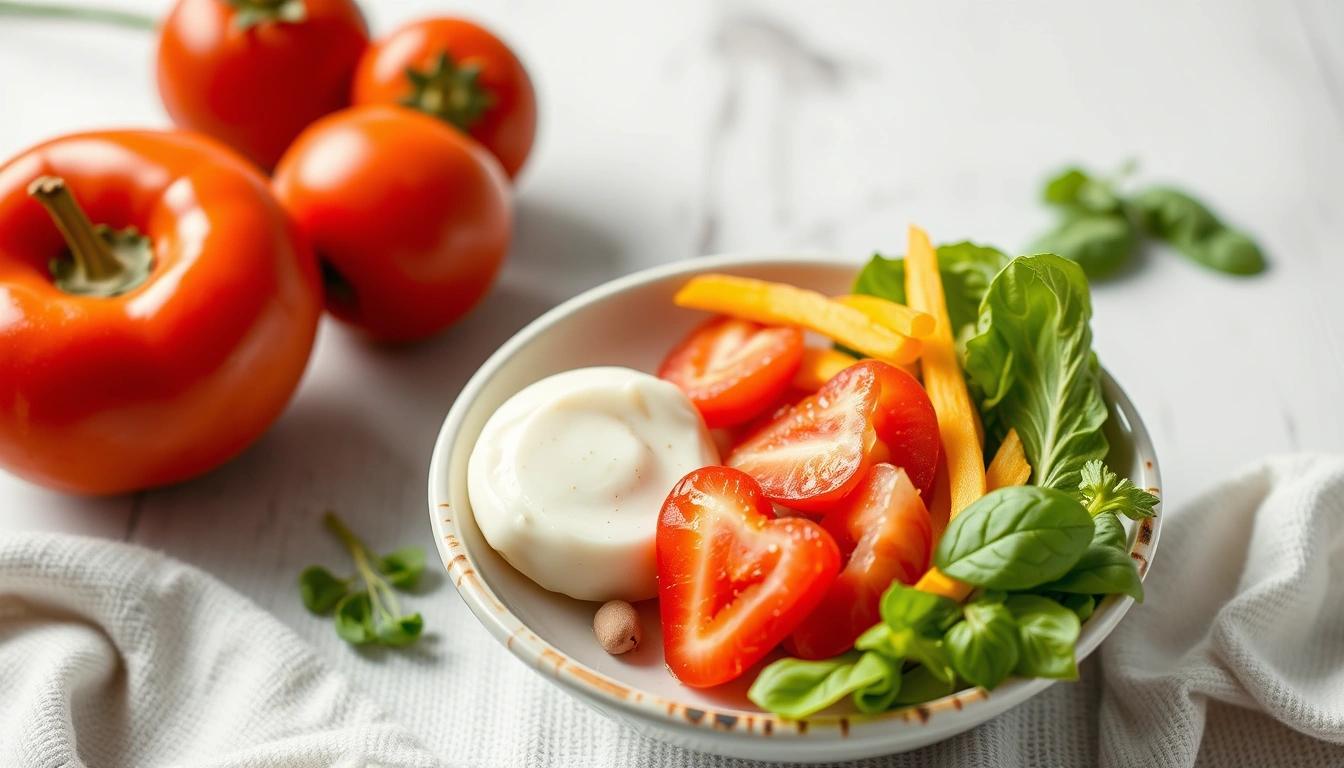
Third: a color source. That can mean fruit or vegetables, fresh or frozen. Think berries, oranges, bananas, carrots, spinach, broccoli, peppers, tomatoes, or sweet potatoes. This is the easiest way to get folate, vitamin C, potassium, and fiber into the day.
Fourth: fluid. Breastfeeding increases fluid needs in a general sense, and many parents simply feel thirstier. Water is fine. Milk, soup, and other drinks count too. I would not force water by the gallon, but I would keep a bottle in the room where you feed.
A breakfast like oatmeal with milk, chia or flax if tolerated, fruit, and nuts does more for you than a pastry alone. A lunch of rice, beans, avocado, salsa, and a side of fruit is solid. Dinner can be as plain as chicken, potatoes, and a vegetable. If you are vegetarian, tofu stir-fry, lentil soup, bean chili, or Greek yogurt with grain and fruit can cover the same ground.
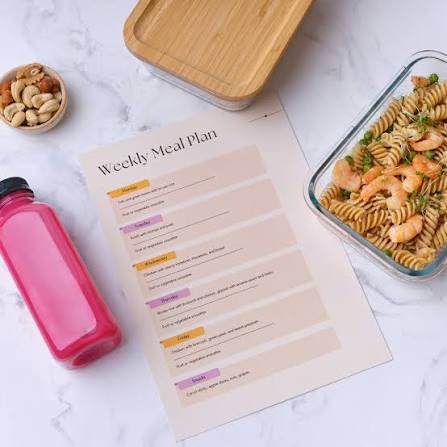
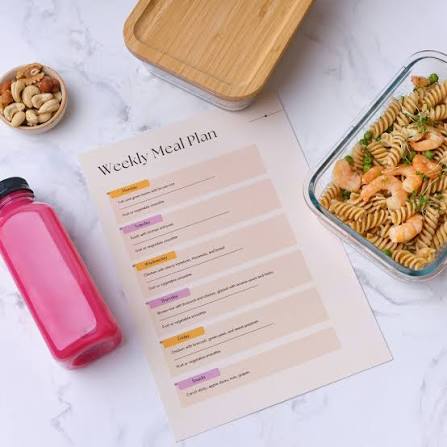
Repetition helps. Pick two breakfasts, two lunches, two dinners, and four snacks you can live on for two weeks. That is usually better than chasing variety you do not have the energy to maintain. In the early postpartum weeks, a simple rotation often beats a more ambitious plan that falls apart by day three.
The Breastfeeding Foods I Would Put on the Daily List
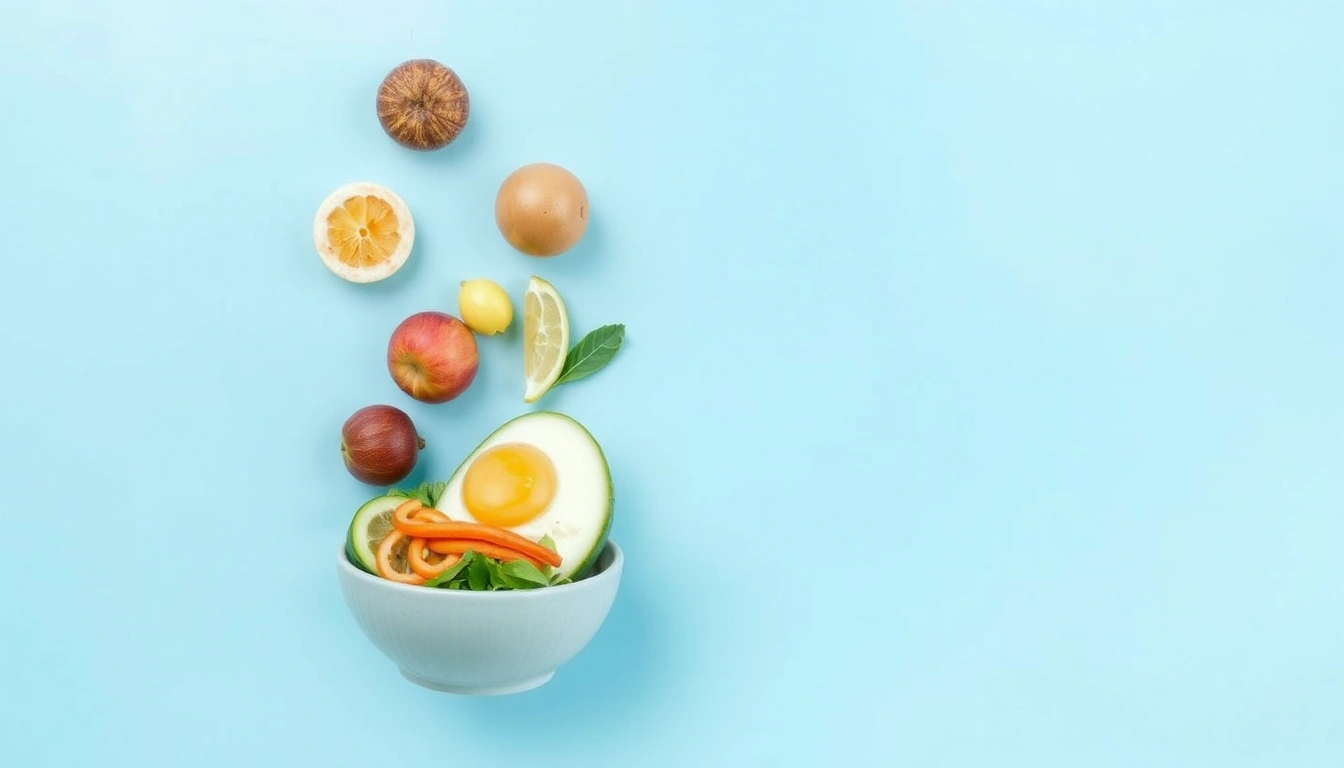
If I were building a daily breastfeeding menu from scratch, I would center it on these foods:
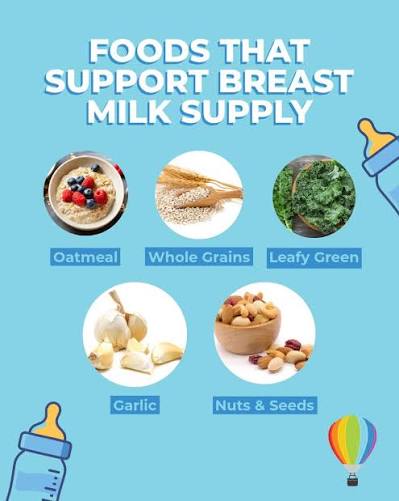
- Oats for quick breakfasts and easy fiber.
- Eggs for an easy protein source.
- Yogurt or kefir for protein and calcium.
- Milk or fortified soy milk if you drink it.
- Beans and lentils for protein, fiber, and iron.
- Nut butter for quick calories and staying power.
- Fruit like bananas, berries, oranges, apples, or pears.
- Frozen vegetables because they are fast, cheap, and less likely to spoil.
- Whole grains such as brown rice, whole-grain bread, pasta, tortillas, or quinoa.
- Fish with lower mercury choices such as salmon, sardines, trout, or pollock, if you eat fish and your clinician has no reason to advise otherwise.
- Iodized salt in normal cooking if your diet is otherwise light on iodine-rich foods, since iodine is an important nutrient in lactation guidance from organizations such as the NIH Office of Dietary Supplements.
That list solves common gaps. Many breastfeeding parents get enough calories on some days but miss iron, calcium, iodine, vitamin D, choline, or omega-3 fats. Food helps, but supplements are sometimes part of the picture too. That is one of the places I would most strongly encourage a clinician to look at your individual diet, especially if you are vegan, vegetarian, have anemia, or avoid dairy or fish.
There is another upside: it is cheap enough to repeat. Grocery lists fail when they depend on motivation. They work when the food is already familiar and easy to eat cold, warm, or half-finished.
The Honest Side-by-Side: What Helps Milk Supply, and What Does Not
A lot of readers want a direct answer here, so I will give one: no single food reliably “boosts” milk supply on its own. That is the honest answer. Research and lactation guidance generally point to the whole picture — frequent milk removal, adequate intake, hydration, and medical evaluation when supply seems off — rather than a magic ingredient.
Some foods are still worth prioritizing because they help you stay nourished:
- Oats: popular and filling, but not a proven fix for supply.
- Flax, chia, walnuts: useful for fats and fiber, not a guarantee of anything.
- Fenugreek, moringa, brewer’s yeast: commonly talked about, but effects vary and side effects or interactions can happen. Consult a clinician or registered dietitian before using them, especially if you take medication or have a medical condition. For a cautious overview, see the NHS breastfeeding and diet advice and NIH Office of Dietary Supplements.
- Protein-rich meals and enough calories overall: more useful than chasing a lactation cookie.
- Fluids: helpful for comfort and routine, but drinking extra beyond thirst is not a magic lever.
The main weakness of lactation-food marketing is that it promises control. New parents usually need less hype and more stability. If a food is making you eat more regularly, that is a real benefit. If it is making you expect a miracle, that is where the trouble starts.
What to Avoid or Limit, Without Turning Food Into a Fear List
I would not build a breastfeeding plan around avoidance. Most foods are fine in normal amounts unless your clinician has given you a specific reason to avoid them. The bigger issue is how some choices make you feel or how they affect the baby in your particular situation.
The main things I would watch are these:
- Alcohol: public health guidance from groups like the CDC advises caution; timing and safety questions should be discussed with a qualified professional because individual situations vary.
- High-mercury fish: avoid the highest-mercury types, and choose lower-mercury options more often.
- Very high caffeine intake: many parents tolerate some caffeine well, but too much can make sleep, jitters, or infant fussiness worse in some cases.
- Crash dieting or skipping meals: this is the food pattern I worry about most. It can leave you depleted, irritable, and ravenous.
- Supplements and herbs without guidance: “natural” does not mean harmless in lactation.
Food-sensitivity claims need care too. A baby with blood in stool, severe eczema, repeated vomiting, poor growth, or major distress needs medical attention, not a guess-and-eliminate diet from a blog post. Some babies do react to specific proteins in the parent’s diet, but that should be handled with a clinician or dietitian because unnecessary restriction can backfire.
This is the part readers often miss: the goal is not a clean plate and a clean conscience. The goal is a body that has enough fuel to heal, feed, and function.
Our Verdict: Which One to Choose and Why
Choose the balanced whole-food day if you want the most reliable mix of energy, nutrients, and staying power with the least guesswork. Choose the convenience-first day if you are in the raw, sleep-deprived stage of breastfeeding and need food that happens fast, even if it is less polished. If you are trying to lose weight quickly, cut whole food groups without a medical reason, or you are worried about supply, infant symptoms, or your own health, consult a professional before making those changes.
My recommendation is straightforward: build a mostly balanced day, then make it realistic with convenience foods you can tolerate. A carton of yogurt, a bag of frozen vegetables, rotisserie chicken, canned beans, whole-grain bread, fruit, and a handful of snack foods can carry you a long way. If the plan cannot survive a tired Tuesday, it is too complicated.
Exception Scenarios
The overall advice flips in a few situations.
-
You have a diagnosed medical condition. Diabetes, celiac disease, thyroid disease, anemia, kidney disease, or food allergy can change what “best” looks like. That needs individualized care from a clinician or registered dietitian.
-
You are vegan or mostly plant-based. The food pattern can still work, but I would pay closer attention to vitamin B12, iron, iodine, calcium, vitamin D, and omega-3 intake. A clinician or dietitian can help spot gaps.
-
Your baby has a suspected food reaction. If symptoms suggest a possible allergy or intolerance, do not run a broad elimination diet on your own. Get medical guidance first.
-
You are under-eating because of nausea, pain, mood symptoms, or exhaustion. In that case, the best plan is not a perfect plan. It is a tolerable plan that gets calories in, keeps fluids up, and is simple enough to follow today.