Diet Constraints and Special Postpartum Needs: The Complete Guide
Last updated: August 12, 2026
Quick Answer
In the diet constraints special postpartum needs — complete guide, the blunt truth is this: one plan does not fit every postpartum body. For some people, a flexible balanced postpartum diet is easier to keep up with; for others, a medically required constrained plan is safer and more appropriate. Trying to choose? Use the simplest plan that still keeps you safe, fed, and meeting postpartum needs during the first 6 weeks. Talk to a qualified clinician or registered dietitian about your own situation, especially if you had pregnancy complications, surgery, blood loss, breastfeeding challenges, or a medical condition that affects food choices.
Key Facts / Key Takeaways
- Postpartum nutrition has to support healing, feeding, hydration, and energy at the same time.
- A constrained diet is best when it is medically required; convenience alone should not decide the plan.
- Flexible eating is often easier when the main problem is fatigue, low appetite, and time pressure.
- A good fallback plan should include 2–3 breakfasts, 2–3 lunches, 2–3 dinners, snacks, fluids, and a supplement review.
- If you are breastfeeding, regular meals and fluids matter more than perfection.
- Should you be avoiding major food groups, watch for iron, calcium, vitamin D, B12, iodine, protein, and fiber gaps.
- For diagnosis-based restrictions such as allergy or celiac disease, consult a professional before making major diet changes.
- The first 6 postpartum weeks are often the hardest for meal planning, so simplicity beats discipline.
I write about nutrition and health topics with a focus on practical, real-world decisions, and diet constraints special postpartum needs — complete guide is one of the places where generic advice falls flat fast.
The Real Difference Between “Any Healthy Diet” and a Postpartum Diet That Fits Constraints
A postpartum diet has to function under fatigue, healing, sleep loss, and often feeding demands; a “healthy diet” can pretend those pressures do not exist. Big difference. After birth, you are not just trying to eat well. You are trying to eat while your body may still be sore, anemic, constipated, nauseated, low on time, or living with food rules that were manageable before pregnancy but feel harder now.
So the diet constraints special postpartum needs — complete guide has to begin with reality, not ideals. The generic answer says to eat balanced meals. True, but incomplete. A postpartum plan has to answer four questions at once:
- What foods are actually allowed?
- What nutrients are easy to miss with this constraint?
- What foods are realistic when you are exhausted?
- What warning signs mean the diet is no longer enough on its own?
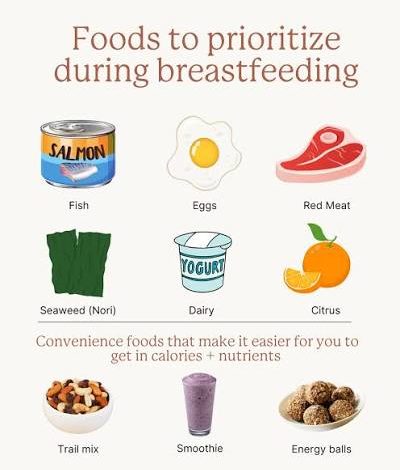
That is why a postpartum diet with constraints is not just a list of “safe foods.” It is a triage plan. For breastfeeding, some nutrition guidance from sources such as the U.S. Office on Women’s Health and the Academy of Nutrition and Dietetics suggests that regular meals, fluids, and nutrient-dense foods matter more than perfect meal composition. If you are not breastfeeding, you still need extra attention to healing, bowel function, iron status, and enough total intake so you do not feel worse.
The biggest mistake I see in generic articles is pretending all postpartum bodies have the same needs. They do not. A person avoiding dairy because of an allergy has different gaps than someone following a religious diet, and both differ from someone managing gestational diabetes after birth. The constraint changes the risk.
Here is the practical rule I would use: start with the diet you can sustain safely for six weeks, not the diet that looks clean on paper for six days. Usually that means prioritizing protein, fluids, fiber, calcium sources if dairy-free, iron-rich foods if you were low during pregnancy, and whatever foods your body can tolerate without making nausea, reflux, constipation, or pain worse.
Diet Constraints and Special Postpartum Needs: What Matters Most

Postpartum needs are not only about calories. They are about recovery, feeding, and tolerance. If a food plan covers only one of those boxes, it will fail in real life.
The needs that change most often after birth are:
- Protein: useful for tissue repair and satiety, with evidence from general nutrition guidance that adequate protein supports recovery.
- Fluids: especially important if breastfeeding, sweating, or losing more fluid than expected.
- Iron: commonly relevant if you had blood loss, a history of low iron, or a restrictive diet. Discuss iron concerns with a clinician rather than self-prescribing.
- Calcium and vitamin D: especially important if you avoid dairy or have limited fortified foods.
- Fiber: helpful for bowel regularity, but too much too fast can backfire if your stomach is sensitive.
- Energy: not all postpartum fatigue is dietary, but under-eating makes recovery feel harder.
The real problem with diet constraints is that they often remove the easiest sources of one or more of those nutrients. A gluten-free diet can cut out fortified breads and quick snack foods. A dairy-free diet can make calcium and protein intake feel harder. A vegan diet can require more planning for protein, iron, B12, iodine, and calcium. A low-FODMAP approach can make fast postpartum meals more complicated. A renal or sodium-restricted diet may limit convenience foods just when convenience matters most.
That does not mean constrained diets are bad postpartum. It means they need a fallback plan. A good fallback plan includes:
– 2 or 3 default breakfasts
– 2 or 3 lunch options
– 2 or 3 “too tired to cook” dinners
– a snack list
– a hydration routine
– a supplement discussion with a clinician if the diet routinely misses key nutrients
I would not tell a postpartum reader to “just eat intuitively” if a diet constraint is already narrowing options. Intuition gets wobbly when you are sleep deprived and healing. Structure helps more.
Two authoritative starting points worth checking are the Academy of Nutrition and Dietetics and the U.S. Office on Women’s Health:
– https://www.acog.org/womens-health/faqs/nutrition-during-pregnancy
– https://www.womenshealth.gov/breastfeeding/breastfeeding-your-baby
– https://www.niddk.nih.gov/health-information/endocrine-diseases/diabetes/pregnancy
Those pages are not a substitute for personalized care, but they are a solid baseline for general postpartum and breastfeeding nutrition guidance.
Which Postpartum Diet Constraints Are Usually Manageable, and Which Need More Care
Some restrictions are inconvenient but manageable. Others need more active planning because the risk of a nutrient gap or symptom flare is higher.
Usually manageable with planning
Vegan or vegetarian diets can work well postpartum, but only if you plan around protein and the nutrients commonly missed in plant-based eating. The upside is that beans, lentils, tofu, soy milk, nuts, seeds, whole grains, and fortified foods can build a strong base. The weak point is convenience: many tired people default to toast, cereal, and snacks that are not enough on their own. Should you be vegan, be especially careful about B12, iron, calcium, iodine, vitamin D, and omega-3 sources, and bring up supplements with a clinician.
Gluten-free diets are often straightforward if the reason is celiac disease or a true intolerance. The snag is that many quick postpartum foods rely on wheat. Gluten-free substitutes can be lower in fiber or less filling, so it helps to use naturally gluten-free staples such as rice, potatoes, oats that are certified gluten-free if needed, beans, eggs, yogurt if tolerated, fruit, and vegetables. The Celiac Disease Foundation notes that celiac disease affects about 1 in 100 people worldwide, so this is a common medically required constraint, not a niche preference.
Dairy-free diets are also manageable, but calcium is the part people miss. Fortified plant milks, calcium-set tofu, canned fish with bones if you eat fish, and some leafy greens can help. The downside is simple: not every “non-dairy” food is nutritionally equivalent. Remove dairy and never replace it, and the gap can creep in quietly.
Need more care
Low-sodium, kidney-related, or fluid-restricted diets need medical guidance because postpartum recovery and breastfeeding can change how these restrictions feel. This is not a place to improvise based on internet advice.
Diabetes-related diets after delivery should be reviewed with a clinician because glucose needs can change quickly postpartum, and feeding status matters. Where someone had gestational diabetes, the plan after birth may differ from the pregnancy plan.
Allergy-driven diets need strict label reading and a backup meal system because accidental exposure is the main risk. If the allergy is severe, the postpartum phase is not the time to “test” foods you used to avoid. In practice, that means you should consult a professional about cross-contact, emergency plans, and nutrient replacement if multiple foods are excluded.
Very low-carb or aggressive weight-loss diets are usually poor fits right after birth. They can make energy, bowel regularity, and milk supply concerns harder to manage, and they often worsen the all-or-nothing cycle that many people fall into when sleep deprived.
My opinion is simple: the more medically necessary the restriction, the more you should involve a professional early. If the diet is chosen for preference, sustainability matters most. When it is chosen for a medical reason, safety comes first.
The Honest Side-by-Side
The choice is rarely “perfect diet” versus “bad diet.” More often, it is “easier diet that needs careful nutrient replacement” versus “more restrictive diet that may need professional oversight.” That is the real trade-off.
| Criteria | Flexible, balanced postpartum eating | Diet with strong constraints | Winner for this condition |
|---|---|---|---|
| Ease of meeting basic nutrient needs | Usually easier because there are more food options | Can be done well, but missing nutrients is more likely without planning | Flexible eating |
| Speed of putting meals together when exhausted | Fastest, because convenience foods are more available | Slower, especially if labels or substitutions are needed | Flexible eating |
| Fit for medical requirements such as allergy, celiac disease, or renal restriction | May be unsafe or impossible | Essential when the restriction is medically required | Constrained diet, when clinically indicated |
| Risk of hidden nutrient gaps | Lower, though not zero | Higher, especially for iron, calcium, B12, iodine, or fiber depending on the restriction | Flexible eating |
| Social and family meal simplicity | Usually simpler to share meals | Often requires separate ingredients or prep | Flexible eating |
| Symptom control for a known trigger food | Can be worse if the trigger stays in the diet | Often better if the trigger is clearly identified and avoided | Constrained diet |
| Cost and shopping effort | Often lower effort and sometimes lower cost | Can cost more or require more time | Flexible eating |
| Best fit for postpartum recovery with little support at home | Usually better because it is easier to sustain | Works only if the household already has a system | Flexible eating |
| Need for professional oversight | Helpful, but not always necessary | More likely to be necessary if the diet is medically driven | Constrained diet |
The table points to the central truth: flexibility wins on convenience and nutrient coverage, but constraint wins when it is the thing keeping you safe. Sounds obvious, yet it is the step many postpartum guides skip. They act as if every restriction is optional. It is not.
One more point the generic advice misses: a constrained diet can be easier than a flexible one if the constraint has already been well matched to the person. For example, a dairy-free eater who has a strong rotation of plant milks, tofu, beans, and fortified foods may do better than a flexible eater who is skipping meals and living on crackers. The restriction is not the whole story. The meal system is.
Diet Constraints and Special Postpartum Needs: Who Should Use a Constrained Plan
A constrained postpartum diet is the right call when the restriction is doing real work for your health, your baby’s safety through feeding, or your symptoms. That is the clearest line I can draw.
Use a constrained plan if you are in one of these groups:
- You have a diagnosed food allergy or celiac disease. This is not a lifestyle preference. It is a safety issue, and the diet needs to stay strict. Should you be unsure about cross-contact or hidden ingredients, consult a professional.
- You have a medical condition that changes what you can eat, such as kidney disease, diabetes, or a condition that your clinician has already tied to a specific nutrition plan.
- You know a food trigger makes postpartum symptoms worse, such as severe reflux, gastrointestinal distress, or a clearly identified intolerance that returns when the food returns.
- You follow a plant-based, religious, or cultural diet that you can maintain confidently. This can work well if you already know your nutrient sources and can keep the plan simple enough for postpartum life.
- You have support at home. A constrained diet is easier when someone else can shop, cook, or batch-prep.
Precision is the strength of a constrained plan. You know what to avoid, and often you know why. That makes symptom management clearer. It can also reduce mental noise. People sometimes feel calmer when the decision is already made.
The weakness is fragility. If your plan depends on special foods, long prep, or exact substitutions, it can collapse the moment sleep disappears. That is the consequence worth respecting. Many people do not fail because the diet is wrong. They fail because the logistics are.
I would also caution anyone who is postpartum, breastfeeding, or recovering from a complicated birth against using a very restrictive diet just because it feels “clean” or “disciplined.” Clean is not the goal. Recovery is. When a diet makes you skip meals, fear food, or obsess over ingredients, it is probably costing more than it gives.
Professional guidance matters more here than in many other diet decisions. A registered dietitian or clinician can help you spot nutrient gaps before they become symptoms, especially if you are avoiding multiple food groups.
The Specific Situations Where Flexibility Wins
Flexible postpartum eating wins when your main problem is not a medical restriction but a life restriction: exhaustion, time, and appetite. In those cases, fewer rules often produce better nutrition.
Flexible eating is the better choice if:
- You do not have a medically necessary restriction.
- Your appetite is inconsistent and you need easy wins.
- You are trying to heal after birth and want to keep food simple.
- You are already overwhelmed by newborn care and do not need extra label reading.
- You are struggling to eat enough.
So the advantage is plain: more foods qualify, which usually means more chances to get protein, fiber, and micronutrients across the day. It also makes social meals easier. You can eat what is available instead of building a separate menu.
The downside? Just as plain. Flexible eating can drift into random eating. That is not a moral failing; it is a logistics problem. When there is no structure, postpartum hunger can get patched with snacks that are filling for ten minutes and useless an hour later. A flexible plan works best when it still has a spine.
I would use this model:
– protein at most meals
– one or two easy produce items each day
– a reliable carbohydrate source
– a hydration routine
– a supplement review if your clinician recommends one
That is not fancy, but it is durable. Durability matters more than culinary ambition in the early postpartum period.
The main weakness of a flexible approach is that it can hide problems. If you are losing too much energy, struggling with bowel movements, or breastfeeding and constantly hungry, a too-loose plan may let you slide too far before you notice. In that case, I would tighten the structure, not the food list.
Our Verdict: Which One to Choose and Why
Choose a constrained postpartum diet if the restriction is medically necessary, symptom-linked, or required for safety, and you already know how to replace the nutrients that restriction removes. Choose flexible balanced eating if your main challenge is exhaustion, low appetite, or lack of time, and you do not have a medical reason to avoid major food groups. Neither if your plan is so restrictive that you are skipping meals, losing confidence in eating, or trying to manage a medical issue without professional input.
That is my call.
If you need a simpler version: safety first, then sustainability, then nutrient coverage. A medical restriction often outweighs convenience, but the safest plan is still the one you can follow consistently. Outside that, the plan that feeds you more consistently is the better plan.
Here is the practical version of that verdict:
– Constrained diet wins for diagnosed allergies, celiac disease, diabetes-related care, renal restrictions, and other clinician-directed plans, with professional guidance.
– Flexible diet wins for tired, overwhelmed, sleep-deprived postpartum recovery when food rules are self-imposed and not medically necessary.
– Neither works well if you are eating very little, fear food, or have symptoms that suggest the plan is not meeting your needs.
If I were helping someone build a postpartum eating plan from scratch, I would not start by asking for a long list of banned foods. I would start