Breastfeeding Nutrition Basics — The Complete Guide
Last updated: August 12, 2026
- – Lactation often adds about 450 to 500 calories per day in the first 6 months for many breastfeeding parents.
- Breastfeeding Nutrition Basics: What Actually Matters Most What should you eat to make the best milk?
- A lot of breastfeeding advice gets flattened into “add calories.” Sure, that can help, because lactation uses energy.
- Breastfeeding can make some people hungrier, some more thirsty, and some less interested in rich foods.
Quick Answer: In breastfeeding nutrition basics — complete guide terms, most breastfeeding parents do best with 3 meals, 2 to 3 snacks, and fluids to thirst; a common pattern is about 450 to 500 extra calories per day during lactation, though needs vary by body size, milk output, and feeding pattern. I’d still want you to speak with a qualified clinician, midwife, or registered dietitian about your own situation, especially when you have anemia, a restrictive diet, diabetes, thyroid disease, a history of eating disorders, or your baby has a medical concern.
Key Facts
– Breastfeeding nutrition basics are about enough food, enough fluids, and a few nutrients that matter more during lactation.
– A practical target is 3 meals plus 2 to 3 snacks when hunger is high.
– Lactation often adds about 450 to 500 calories per day in the first 6 months for many breastfeeding parents.
– Iron, calcium, vitamin D, iodine, vitamin B12, and omega-3 fats are common nutrients to watch.
– When supply, weight change, or symptoms feel off, consult a professional rather than trying to self-diagnose.
I write about maternal and infant nutrition, and one pattern keeps showing up: people turn breastfeeding nutrition basics into a rigid food plan. Usually, that’s the wrong move. What matters more is steady fuel, enough fluids, and a varied enough diet to support your recovery and your baby’s milk needs. And when anything feels off, consult a professional.
Breastfeeding Nutrition Basics: What Actually Matters Most
What should you eat to make the best milk? That is the flashy question. The better one is simpler: how do you feed yourself well enough to feel okay and keep milk production supported without counting every bite? That frame fits breastfeeding nutrition basics much better, because most generic posts oversell certainty and make breastfeeding sound like a pass-fail exam.
The basics are plain, but they are not minor. Lactation can raise energy and nutrient needs, and guidance from the CDC and the Academy of Nutrition and Dietetics generally points to a modest calorie increase for many parents. For many breastfeeding parents, this is roughly 450 to 500 extra calories per day in the early months, though the exact amount varies by body size, feeding pattern, and whether you are exclusively breastfeeding or combining feeds. So a single fixed number is less useful than a workable routine.
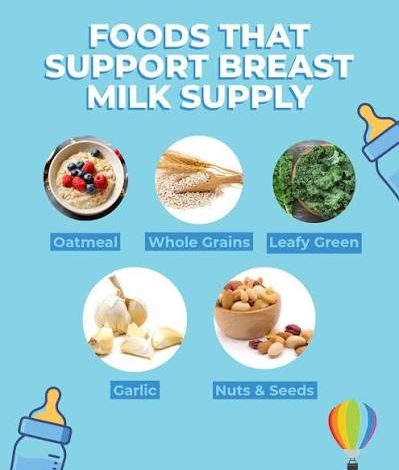
Build plates around protein, carbs, fat, and plants. Protein helps with satiety and recovery. Carbohydrates give you quick, usable energy. Fat helps you stay full and makes meals easier to stick with when you are awake at odd hours. Fruits, vegetables, beans, whole grains, nuts, and seeds help cover micronutrients that matter during this period. Nothing fancy. The hard part is doing it while sleep is broken, which is why breastfeeding nutrition basics should stay simple.
A generic post often forgets the mother’s side of the equation. Breastfeeding parents are often told to focus only on the baby, but your body still needs iron-rich foods, calcium-containing foods, vitamin D from safe sources as advised by a clinician, and enough calories to avoid feeling wiped out. When you are vegetarian or vegan, be extra deliberate about vitamin B12, iron, iodine, omega-3 fats, and protein quality; honestly, that is worth a real conversation with a professional who knows your diet pattern.
Another thing gets missed: “good nutrition” is not the same as “perfect consistency.” One light meal and one solid one can still make for a normal day. Not hungry at breakfast? That does not mean you are failing. Maybe you need easier foods, more frequent meals, or a hand from someone else in the house.
For authoritative guidance, I’d look at the CDC’s breastfeeding nutrition page, the NIH Office of Dietary Supplements fact sheets for nutrients commonly discussed in lactation, such as iodine, vitamin D, iron, and B12, and the Academy of Nutrition and Dietetics’ breastfeeding resources.
The Real Difference Between “Eat More” and “Eat Smarter”
“Eat more” only wins if you are clearly under-fueling. “Eat smarter” wins when you already eat enough volume but the quality is uneven and you feel drained, hungry, or foggy. Those are not the same problem. When symptoms keep hanging around, consult a professional.
A lot of breastfeeding advice gets flattened into “add calories.” Sure, that can help, because lactation uses energy. But extra calories without structure can become extra sugar, extra grazing, and extra discomfort. On the flip side, a tightly controlled “clean eating” approach can be too strict for a parent whose real problem is exhaustion. I’d take the middle path: enough food, chosen for staying power.
Simplicity is the big advantage of “eat more.” When you are skipping meals, losing weight unintentionally, or going long stretches without eating, adding snacks and larger portions can make a noticeable difference in energy and mood. That matters most in the early weeks, when feeding can take over the day and hunger arrives in waves.
Its weakness is obvious. More food is not automatically better food. When the extras are mostly sweets, chips, and caffeinated drinks, you may still feel tired and unsatisfied. You can also miss nutrients that matter more during lactation than they did before pregnancy. That is the downside, not some moral judgment.
“Eat smarter” is the better choice when you already eat regularly but the meals are thin. A breakfast with protein, a lunch with fiber, and a dinner with vegetables will usually support you better than a random stream of snacks. But planning takes effort. And that is exactly what disappears when the baby starts waking every two hours.
My blunt view: when you are exhausted and under-eating, start with convenience, not culinary ambition. A sandwich, yogurt, oatmeal, eggs, beans, fruit, toast with nut butter, soup, and leftovers count. “Better” is often just “available.”
Breastfeeding Nutrition Basics: Who Should Actually Use This
For most breastfeeding parents who want a practical routine rather than a special lactation diet, this is the right fit. It works for people who are healthy overall, have access to a normal variety of foods, and need a sustainable plan that fits real life.
I would use this approach when you are asking questions like:
– “What do I actually need to eat so I don’t feel run down?”
– “How do I stay nourished when I’m feeding around the clock?”
– “Which nutrients deserve attention without turning meals into a project?”
That group is usually the best match for a steady, balanced pattern. Grounded. Flexible. Less guilt-heavy, too.
Its real strengths are consistency and sanity. A balanced pattern supports your own energy, makes it easier to respond to hunger, and helps you avoid dramatic swings between restriction and overeating. It also lines up with common professional advice from public health bodies: varied foods, hydration, and nutrient awareness rather than extreme rules.
The weakness? It does not solve special situations by itself. When you have a medical condition, take certain medications, follow a vegan diet, or have a baby with a metabolic or allergy-related issue, you may need a more tailored plan. Ignore that, and generic advice can leave a nutrient gap or a feeding issue sitting in plain sight.
This is not the right framework when you are dealing with persistent low supply concerns, poor infant weight gain, severe postpartum nausea, ongoing vomiting, a diagnosed eating disorder, or a highly restricted diet. In those cases, the question is not only “What should I eat?” but “What is medically going on, and what does my care team want me to change?” Please consult a professional, because the next step depends on the cause.
A generic post often says “listen to your body” and stops there. Sounds nice. Falls short, too. Hunger cues can get messy when you are sleep deprived, recovering from birth, or juggling medications. I’d treat this as a starting point, not a substitute for care when something feels off, and a clinician can help interpret the pattern.
The Specific Situations Where It Wins
Because the goal is practicality, this basic breastfeeding nutrition approach wins in ordinary, high-disruption life. It is the better choice when you need meals to be easy, repeatable, and forgiving.
It works especially well for:
– Parents in the first months postpartum who need fast meals
– People breastfeeding on a normal mixed diet
– Anyone who wants to avoid restrictive “milk-boosting” trends
– Families that can build simple routines around snacks, leftovers, and pantry staples
Why does it win there? Because the main problem is not culinary sophistication. It is consistency. A parent who can eat a decent meal three times a day and keep a few nutrient-dense snacks within reach is usually in a better place than someone chasing elaborate rules and missing meals.
Its strongest advantage is flexibility. You can use the foods you already tolerate and like, which makes the plan more realistic. That matters more than it sounds. Breastfeeding can make some people hungrier, some more thirsty, and some less interested in rich foods. A rigid plan often collapses under those changing signals.
The second strength is room for appetite shifts. Some days you will want breakfast. Some days you will want crackers, cheese, fruit, soup, or a smoothie and call it done. That is not a failure if your overall pattern is decent.
But flexibility can slide into drift. Without an anchor, days get random. Random eating often means missing protein, fiber, or iron-rich foods. It can also mean relying too heavily on caffeine or ultra-processed snacks for survival. That does not make you a bad parent. It just means your system is leaking energy.
I would skip this “light structure” approach when you know you need tighter medical guidance. A person with diabetes, significant postpartum blood loss, a history of bariatric surgery, or a baby with allergy concerns may need a more specific plan from a clinician or dietitian. In those situations, broad advice is not enough.
The Honest Side-by-Side
Here is the part generic posts usually avoid: the choice is less about “best food” and more about how much structure you need.
| Criteria | Eat More | Eat Smarter | Winner for this condition |
|---|---|---|---|
| Ease when you are exhausted | Very easy to start | Takes more planning | Eat More |
| Long-term steadiness | Can become random | More stable pattern | Eat Smarter |
| Risk of nutrient gaps | Higher if snacks dominate | Lower if meals are balanced | Eat Smarter |
| Use in the first chaotic postpartum weeks | Very practical | Can be hard to sustain | Eat More |
| Fit for a busy parent who hates meal prep | Strong fit | Moderate fit | Eat More |
| Fit for someone with repeated energy crashes | May not solve the cause | Better if meals are balanced | Eat Smarter |
| Risk of overdoing low-quality extras | Higher | Lower | Eat Smarter |
| Works with a vegetarian or vegan diet | Possible, but gaps are easier | Better if planned well | Eat Smarter |
| Need for professional oversight | Lower for simple cases | Higher if nutrient targets matter | Depends on the case |
My read is straightforward: “Eat more” is the short-term rescue plan, while “eat smarter” is the better everyday pattern. When you are barely getting through the day, start with easy calories and stop there for a moment. When you are already eating enough but still feel depleted, improve the quality and timing of those meals.
The honest drawback of both options is that neither one replaces medical care. When symptoms are severe, ongoing, or tied to a known condition, nutrition advice alone is not the whole answer.
Our Verdict: Which One to Choose and Why
Choose Eat More when you are skipping meals, waking hungry, and need the fastest route to feeling less depleted. Choose Eat Smarter when you are already eating regularly and want a more stable, nutrient-dense pattern that is easier to sustain over time. Neither is the right answer when you have a medical condition, a restrictive diet, severe fatigue, or concerns about your milk supply or your baby’s growth and you have not spoken with a qualified professional.
That is my call.
Why? Because the first problem in breastfeeding nutrition basics is often under-eating, and the second is poor meal quality. The order matters. I would not ask an exhausted parent to design the perfect lactation menu before they have eaten enough to think clearly. At the same time, I would not let “just eat more” become a long-term excuse for skipping nutrient-dense foods.
In practice, this means starting where the burden is lowest. When the idea of cooking makes you want to cry, keep the bar low: sandwiches, toast, yogurt, fruit, nuts, soup, eggs, hummus, beans, rice, oats, leftovers. When you can manage more structure, build plates that include protein, fiber, and color most times you eat.
A lot of readers want a magic food list. I do not think that is the useful answer. The useful answer is a repeatable eating pattern that you can keep up when your night was broken and your day is already full.
When to Reconsider This Choice Entirely
There are a few situations where I would stop treating breastfeeding nutrition basics as a general wellness topic and move it into “get personalized help now.”
First, reconsider everything when you have persistent symptoms that could signal under-nutrition or another health issue: marked fatigue, dizziness, rapid unintended weight change, ongoing nausea, or trouble keeping food down. Those are not things to power through with better snack planning.
Second, reconsider when you have a medical or dietary setup that changes nutrient needs. That includes diabetes, thyroid conditions, a history of bariatric surgery, anemia, celiac disease, food allergies, or a vegan diet that has not been reviewed recently by a professional. The broad advice may still apply, but the details matter more than the internet usually admits.
Third, reconsider when your baby’s feeding or growth pattern is concerning. I cannot diagnose that here, and I would not try. What I can say is that feeding concerns belong in a real clinical conversation, not in a search-results loop.
Fourth, reconsider when breastfeeding itself is becoming emotionally or physically overwhelming. Nutrition advice cannot solve pain, latch problems, supply fears, postpartum anxiety, or depression. Those need proper support.
This is where generic “nutrition basics” posts crack. They keep acting like more information fixes everything. Sometimes the answer is a person who can look at your whole situation and tell you what matters.
The Nutrients Breastfeeding Parents Commonly Need to Pay Attention To
The nutrients that usually deserve the most attention are the ones that are easy to miss when your meals are rushed: protein, iron, calcium, iodine, vitamin D, vitamin B12 if you avoid animal foods, and omega-3 fats from food sources if you do not eat fish. Public health and professional organizations discuss these repeatedly because they are common pinch points, not because every breastfeeding parent is deficient.
Protein is the easiest one to underdo without noticing. When your meals are mostly toast, fruit, or snacks, protein may be too low to keep you satisfied. That can leave you hungry again fast.
Iron matters because postpartum fatigue is common, and iron status can be affected by blood loss during birth. I am not saying iron supplements are automatically needed; that would be a medical call. I am saying iron-rich foods deserve a place on the plate, and persistent fatigue deserves attention.
Calcium and vitamin D are another pair people often think about only during pregnancy, but breastfeeding parents still need to cover their own needs. Food sources, fortified foods, and clinician-guided supplementation are the usual conversation.
Iodine and B12 can become especially important when you eat little dairy, fish, eggs, or meat. That is where a basic plan can quietly fail. A parent can be eating enough calories and still miss key nutrients because the diet is narrow.
The important trade-off here is that “nutrient awareness” should not become nutrient obsession. You do not need a spreadsheet to eat well. You do need enough variety that the same three foods are not doing all the work.
Real-Life Meal Patterns That Make This Easier
The easiest breastfeeding meal pattern is the one you do not have to negotiate with yourself at every feeding. I would build around repetition.
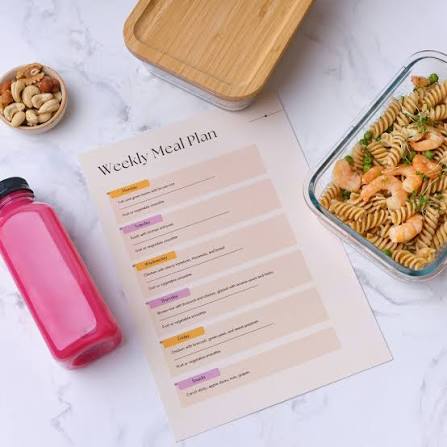
A practical day often looks like this:
– Breakfast: oats, yogurt, eggs, toast, or a smoothie with protein
– Lunch: leftovers, a sandwich, grain bowl, soup with bread, or beans with rice
– Dinner: protein plus starch plus vegetables, even if it is very simple
– Snacks: fruit, nuts, cheese, hummus, crackers, yogurt, or peanut butter on toast
That is not glamorous. It works because it cuts down decision fatigue.
One useful move is to keep “assembly foods” on hand. These are foods that become a meal in minutes: rotisserie chicken, canned beans, frozen vegetables, hummus, pre-cooked grains, bagged salad, yogurt, eggs, canned tuna or salmon if you eat fish, nut butter, fruit, and whole-grain bread. When you are plant-based, tofu, tempeh, lentils, edamame, fortified plant milks, and soy yogurt can fill a similar role.
Convenience foods can get repetitive. I would still take repetition over skipped meals. Repetition is a small cost. Burnout is a bigger one.
FAQ