Best Foods for Postpartum Recovery: The Top Nutrient-Dense Options for Healing and Energy
Last updated: August 12, 2026
- A hybrid approach usually works best: keep nutrient-dense staples in reach and use convenience shortcuts without guilt.
- Beans and lentils are the best answer for plant-based postpartum eating.
- FAQ What are the best first foods after giving birth?
- – Recovery meals should be simple: 1 bowl, 1 sandwich, or 1 snack plate can be enough.
Quick answer: for foods postpartum recovery: nutrient-dense options healing energy, a practical starting point is 9 foods — eggs, salmon, Greek yogurt, oats, beans, lentils, leafy greens, fruit, nuts, seeds, and soups — because they are easy to eat and cover protein, iron, fiber, healthy fats, and fluids. Talk with a qualified clinician or registered dietitian about your own situation, especially if you had a C-section, heavy bleeding, diabetes, anemia, hypertension, food restrictions, or breastfeeding concerns.
Key facts:
– 9 food groups are doing most of the work here: protein, iron, fiber, fats, and fluids.
– Recovery meals should be simple: 1 bowl, 1 sandwich, or 1 snack plate can be enough.
– If you had heavy bleeding or anemia symptoms, food alone may not be enough; get medical guidance.
– For postpartum recovery, a protein-plus-carb meal is usually easier to tolerate than a “perfect” plate.
I write about foods postpartum recovery: nutrient-dense options healing energy because this is one of the most practical health questions there is: what goes on the plate when your body is healing and your energy is gone? Not a “superfood.” Just a handful of nutrient-dense foods that cover the gaps most new parents actually feel.
What postpartum recovery food needs to do
Four jobs, at once. Postpartum recovery food needs to help repair tissue, replace iron and other nutrients, steady blood sugar, and make it easier to drink enough fluids. Why all four? Because recovery is not just about “eating healthy.” It is about food you can tolerate, prep, and keep down when time is tight.
I would prioritize foods with a few traits. First, they should be protein-rich, because protein is the most reliable building block for healing. Second, they should bring iron or support iron intake, since blood loss during birth can leave some people depleted. Third, they should include fiber and fluids so constipation does not make recovery harder. Guidance from sources such as the National Institutes of Health and the Academy of Nutrition and Dietetics supports these nutrient priorities in postpartum care.
A generic article often misses the real problem: many new parents do not need a perfect menu, they need food that works cold, works fast, and does not require much decision-making. That is why I like meals built around eggs, yogurt, oats, beans, salmon, and produce you can eat one-handed. Honestly, that covers a lot.
The Best Foods for Postpartum Recovery
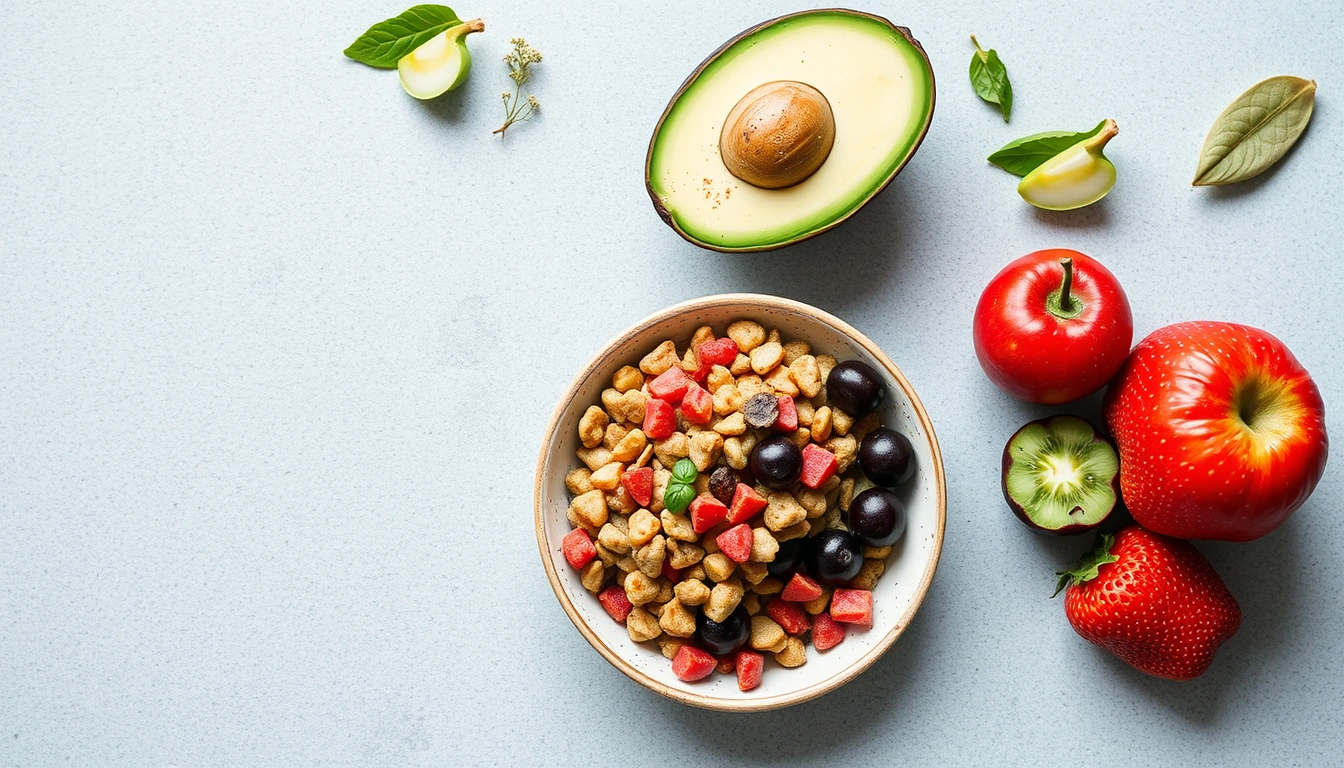
My take is plain: the best postpartum recovery foods are usually the ones that combine protein, iron, healthy fat, and ease of eating. No single food does everything, but a few options earn a place in almost any recovery plan.
Eggs are one of the easiest wins. Soft, fast, and flexible. Put them on toast, rice, or vegetables, and breakfast stops being a chore. Their main strength is protein, which helps make a meal feel substantial. The drawback? Eggs are not a complete solution on their own; they need help from fruit, vegetables, whole grains, or dairy if you want a fuller nutrient profile.
Salmon stands out because it brings protein and omega-3 fats in one food. That combination is useful when you want something more satisfying than plain lean meat. It also fits well into bowl meals, salads, or sandwiches. The trade-off is price and convenience: fish is not always the easiest thing to keep on hand, and some people simply do not tolerate strong flavors early postpartum. Bit of a hassle, really.
Greek yogurt is a strong recovery food when appetite is low. Cool, soft, and easy to digest for many people. It also pairs well with fruit, oats, or nuts, which makes it easy to build a snack that actually lasts. Flavored versions can bring extra sugar, so plain yogurt often gives you more control.
Oats are a steadying carbohydrate. Filling without feeling heavy. Sweet or savory, either way works. Oats are especially useful when you need a breakfast that is simple and kind to a tired stomach. Their limitation is obvious: oats are not enough by themselves, so I like them topped with yogurt, nut butter, seeds, or fruit.
Beans and lentils deserve a spot because they bring fiber, plant protein, and iron in one package. They also stretch into soups, chili, grain bowls, and dips. Their downside is that they can cause gas or bloating for some people, which matters if your digestion is already sensitive.
Leafy greens like spinach and kale are worth eating, but I would not make them the centerpiece of postpartum recovery. They add folate, vitamin K, and other micronutrients, yet they work best as support food, not the whole meal. Pair them with eggs, beans, or salmon so they do more than “count as vegetables.”
Fruit, especially berries, oranges, bananas, and kiwi, helps because it is easy to eat and often more appealing than elaborate snacks. Fruit also adds fluid and fiber. The limit is that fruit alone will not keep you full for long, so I would treat it as a partner food and check with a clinician or registered dietitian if you are struggling to meet your needs.
Nuts and seeds are compact calorie and nutrient sources, which is useful when you cannot eat large meals. They are convenient in small portions and can be added to yogurt, oatmeal, or toast. The drawback is that they can become easy to over-rely on if you need more protein than a few spoonfuls can provide.
Soups and broths with substance are underrated. A good soup can deliver fluids, salt, protein, vegetables, and starch in one bowl. That makes it especially helpful if appetite is poor. The downside is that thin soups without enough protein can feel comforting but leave you hungry an hour later.
The Real Difference Between Nutrient-Dense Whole Foods and Convenience Foods
Nutrient-dense whole foods win when you need recovery that actually supports your body, not just your schedule. Convenience foods win when you need to eat something now and the alternative is skipping the meal entirely. I would not frame this as a moral choice.
Postpartum life punishes complexity. Ten steps? Usually, food loses. So the real split is not “healthy versus unhealthy”; it is “foods that give you more per bite versus foods that save you effort.” A carton of yogurt with berries can do more for recovery than a fancier snack with less protein. A bowl of instant oats with nut butter can beat a beautiful lunch you never got around to making.
The honest downside of whole foods is preparation. Fresh produce spoils. Fish needs handling. Beans can take planning. Convenience foods are often useful because they reduce friction, and that matters when you are recovering while holding a baby. I would not tell anyone to reject freezer meals, store-bought soup, prewashed greens, rotisserie chicken, or canned beans. Those are often the bridge between “I should eat better” and actually eating.
A hybrid approach usually works best: keep nutrient-dense staples in reach and use convenience shortcuts without guilt. That is the route that survives real life.
The Honest Side-by-Side
| Criteria | Nutrient-Dense Whole Foods | Convenience-First Foods | Winner for [condition] |
|---|---|---|---|
| Protein per bite | Usually stronger, especially eggs, yogurt, salmon, beans | Varies widely; some are low | Whole foods for healing-focused meals |
| Iron support | Better when built around beans, lentils, meat, leafy greens | Often inconsistent | Whole foods for postpartum blood-loss recovery support |
| Ease when exhausted | Can be quick if chosen well, but still needs more thought | Usually wins on speed | Convenience foods for the first rough weeks |
| Digestibility | Depends on the food; yogurt, oats, soups are gentle | Depends on processing and seasoning | Tie, based on what your stomach tolerates |
| Fiber for constipation support | Better overall | Often lower | Whole foods for bowel regularity support |
| Hydration help | Soups, fruit, yogurt add fluid | Some do, many do not | Whole foods for fluid-rich meals |
| Cost control | Can be economical if built around oats, beans, eggs | Can get expensive fast | Whole foods for budget-friendly planning |
| Risk of skipped meals | Higher if prep is too ambitious | Lower because it is easier to eat immediately | Convenience foods when appetite and time are both low |
| Meal satisfaction | Usually better for staying full | Can be hit or miss | Whole foods for sustained energy |
Eggs, yogurt, and oats: who should actually use them and who shouldn’t
Eggs, yogurt, and oats work for most postpartum mornings because they are easy, adaptable, and gentle enough for many people. If I had to name one breakfast pattern that makes sense for recovery, this is it: protein from eggs or yogurt, slow carbs from oats or toast, and fruit on the side.
Eggs suit someone who wants a warm, fast meal and can tolerate savory food early in the day. They are not ideal if you have a strong aversion to eggs or need a plant-based option. Yogurt works well for someone who needs something cold, soft, and quick, especially if appetite is low. It is not the best choice for someone who is avoiding dairy or who finds sweet foods less satisfying. Oats fit people who want a neutral base that can be customized without much effort. They are less useful if you need a very high-protein meal and do not plan to add extras.
The strength of this trio is practicality. You can eat them without much chewing, and they combine well with berries, nut butter, seeds, or chopped fruit. The weakness is that they can become repetitive, and repetitive eating is exactly how people drift into skipping meals. I would use them as defaults, not as the entire postpartum plan. Same tool, different job.
Salmon, beans, and lentils: the specific situations where they win
Salmon, beans, and lentils work best when the goal is recovery with staying power. These are the foods I would reach for when a snack is not enough and a real meal is needed.
Salmon is the strongest option here if you can get it and like it. It brings protein and healthy fat together, which makes meals feel more satisfying. It is especially useful in dinner plates, bowls, or sandwiches. The downside is that it is less accessible than pantry foods and not everyone wants fish after birth.
Beans and lentils are the best answer for plant-based postpartum eating. They bring fiber and protein, and they are easy to batch-cook or buy canned. That makes them flexible for soups, stews, wraps, and rice bowls. Their drawback is digestive comfort; if you are already bloated or constipated, starting with smaller portions may be easier than diving into a huge bean-heavy meal.
I would choose these foods for someone who needs longer-lasting energy and can handle a little more digestion work. They are less ideal if you need the softest possible foods or if your meals must be almost effortless. In that case, yogurt, eggs, toast, and soup often win.
When to reconsider this choice entirely
A few situations call for a different plan.
If you are struggling to eat at all, the priority shifts from optimization to simply getting something in. That may mean smoothies, broth-based soups, crackers with nut butter, or whatever feels tolerable. When food aversions, nausea, pain, or anxiety are getting in the way, speak with a qualified professional.
If you had significant blood loss, a complicated delivery, or symptoms that make you think about anemia, food alone may not cover the gap. A clinician can tell you whether further evaluation is needed. The same is true if you have blood sugar issues, blood pressure concerns, celiac disease, food allergies, or a need for a very specific diet while breastfeeding.
If dairy, eggs, fish, beans, or high-fiber foods upset your stomach, do not force them because an article says they are “best.” The best food is the one you can actually eat and keep down.
Our Verdict: Which One to Choose and Why
Choose nutrient-dense whole foods if you want the most recovery support per bite and can manage basic prep. Choose convenience-first foods if your real problem is that you are barely getting meals at all. Neither if you are having severe symptoms, can’t eat enough, or need individualized medical nutrition advice.
Exception scenarios: when the verdict flips
- You are too exhausted to cook. Convenience foods win for now, because skipped meals help nobody.
- You need to support iron intake after heavy blood loss. Whole foods matter more, especially iron-rich meals and professional guidance.
- You have a sensitive stomach. Simpler foods like oats, yogurt, toast, soup, or bananas may beat a “perfect” plate.
- You are fully plant-based. Beans, lentils, tofu, oats, nuts, seeds, and fortified foods become the backbone, not just side dishes.
FAQ
What are the best first foods after giving birth?
I would start with soft, easy foods that combine protein and carbohydrates: eggs, yogurt, oatmeal, toast, soup, fruit, and simple rice or grain bowls. Those are usually easier to manage than heavily spiced or very greasy meals.
Do I need special “postpartum” foods?
No special product is required. What matters is getting enough protein, fluids, fiber, and a mix of nutrient-rich foods that you can actually eat consistently.
Are smoothies good for postpartum recovery?
Yes, if they include protein and not just fruit. A smoothie with yogurt, milk or fortified plant milk, nut butter, oats, and fruit is more useful than juice alone.
What foods help with constipation after birth?
Fiber-rich foods like oats, beans, lentils,