What to Eat After Birth: A Simple Postpartum Nutrition Guide for the First 6 Weeks
Last updated: August 12, 2026
- What postpartum nutrition is really for in the first 6 weeks Getting your body back?
- Weeks 4-6: widen the pattern Now is the time to notice what helps and what backfires.
- FAQ What should I eat right after giving birth?
- What if I have no appetite?
A newborn in one arm, a cold slice of toast in the other — that is the reality for a lot of people in week one. So, if you’re asking what to eat after birth, here’s the blunt answer: stick with simple, nourishing meals for what eat after birth: simple postpartum nutrition guide first 6 weeks that help keep energy up, support healing, and make feeding yourself less of a chore while you recover. After birth, I’d worry less about “perfect” eating and more about regular meals with protein, fiber, fluids, and enough calories to feel human again.
This is health advice, so I want to be clear up front: speak with your obstetrician, midwife, or a registered dietitian about your own situation, especially if you had a cesarean birth, heavy bleeding, gestational diabetes, high blood pressure, anemia, a food allergy, or you’re breastfeeding and struggling with supply or intake.
I write about postpartum recovery and maternal nutrition because small choices around food often matter more than people expect in those first six weeks. Honestly, they can feel tiny on paper and huge in real life.
What postpartum nutrition is really for in the first 6 weeks
Getting your body back? That is not the job. The real aim is simpler: help your body recover while you sleep in fragments, bleed, heal, and possibly breastfeed. The best postpartum meals are usually the ones that are easy to eat, easy to repeat, and easy to digest.
In practice, I’d rank the priorities like this:
- Protein for tissue repair and satiety.
- Fiber for bowel regularity, especially if you’re dealing with constipation from pain meds, iron supplements, or a slower gut after birth.
- Fluids because dehydration can make everything feel worse.
- Carbohydrates for quick energy.
- Fats for staying full and helping meals feel satisfying.
- Micronutrient-rich foods such as iron, calcium, choline, iodine, folate, vitamin D, and omega-3 fats, since studies and public-health guidance suggest these nutrients matter in postpartum recovery and lactation, though needs vary by person.
For practical guidance, I’d look at the CDC’s breastfeeding nutrition pages and the American College of Obstetricians and Gynecologists’ postpartum recovery resources, plus a registered dietitian if you can access one. The CDC notes that breastfeeding parents need about 330 to 400 extra calories a day, and the NIH Office of Dietary Supplements recommends staying attentive to iron, iodine, and vitamin D needs during this stage.
Generic advice misses the messiness. It treats postpartum eating like a clean-eating reset, which is not how this feels when you’re too tired to chop vegetables, too sore to stand for long, and too hungry to live on soup alone. A plan that is hard to prepare will fail on day three. If you have a medical condition, ask a clinician or dietitian before following any strict postpartum plan.
The Real Difference Between “Eat for Healing” and “Eat for Convenience”

Not healthy versus unhealthy. That’s the wrong split. The real difference is food that sounds ideal and food you will actually eat when one hand is holding a baby.
“Eat for healing” wins if you can prep or accept help, because it gives your body more of the nutrients it needs in one meal. Think eggs with toast and fruit, beans with rice, yogurt with nuts, salmon with potatoes, or a turkey sandwich with a side of vegetables. These combinations work because they mix protein, carbs, and fiber without turning dinner into a separate project.
“Eat for convenience” wins when recovery is messy, appetite is inconsistent, or support is thin. Its weakness is plain: a lot of convenience food is low in fiber and protein, which can leave you hungry again quickly and make constipation more likely. Still, convenience food beats skipping meals. Easily.
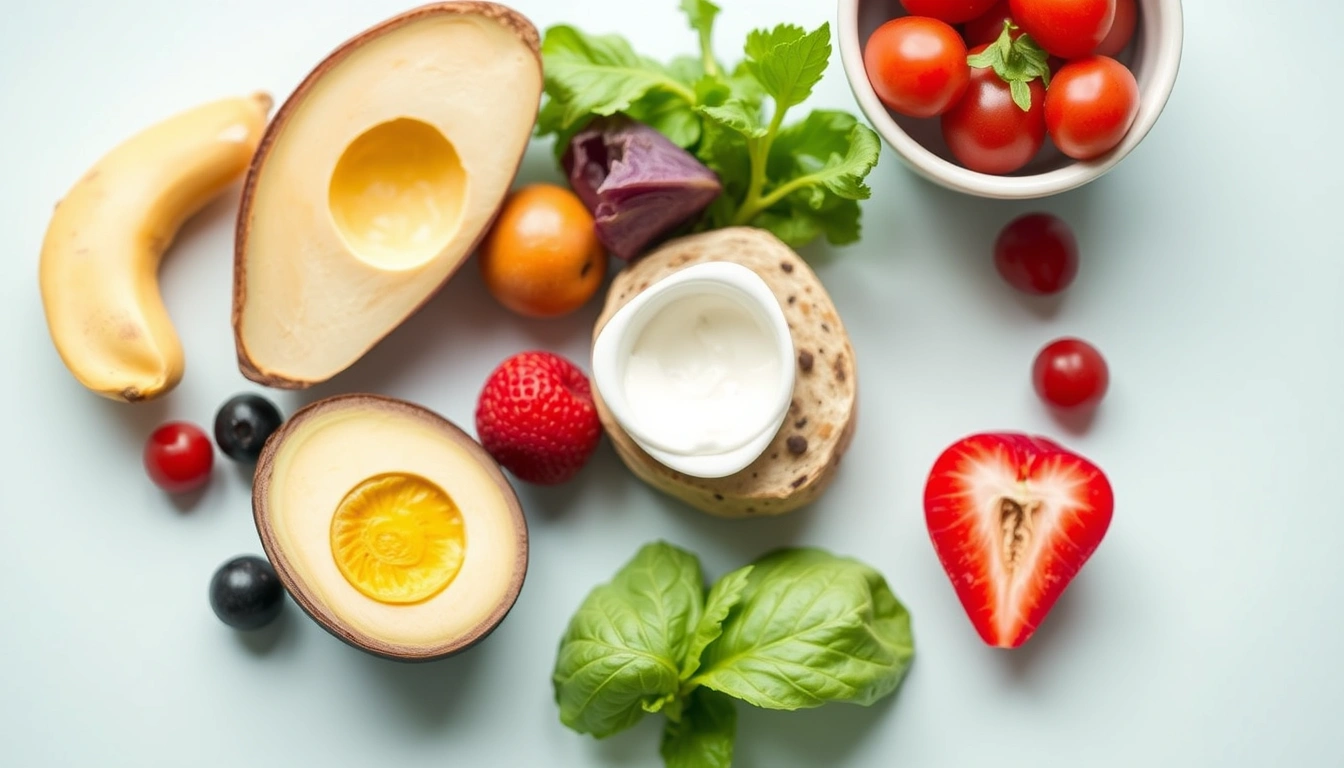
The trap I see most often is pretending these two are enemies. They’re not. The best postpartum foods are convenient and nutrient-dense too. Think shortcuts with substance: rotisserie chicken, prewashed salad, canned lentil soup, microwavable brown rice, frozen vegetables, cottage cheese, oatmeal, nut butter, hummus, tuna, canned beans, and bagged fruit.
This is where the first six weeks are won. You do not need culinary ambition. You need a refrigerator and pantry that make the healthy choice the easy one.
Eat More of These Foods After Birth
For most meals, I’d start with a few reliable anchors.
1. Protein at every meal
Protein helps you stay full and supports recovery. Good options include eggs, Greek yogurt, cottage cheese, tofu, beans, lentils, chicken, turkey, fish low in mercury, nuts, seeds, and nut butters. If you’re vegetarian or vegan, plant-based protein needs a little more planning, but it is completely workable.
Why it matters: many new parents under-eat because they snack on carbs alone. That leads to a fast energy spike and then a crash. Like a balloon losing air.
2. Iron-rich foods if you lost blood
Heavy postpartum bleeding or a history of iron deficiency means iron-rich foods deserve attention. Common examples are red meat, poultry, beans, lentils, spinach, fortified cereals, and tofu. Vitamin C-rich foods like citrus, strawberries, tomatoes, and bell peppers can help the body absorb plant iron better.
Trade-off: iron from food helps, but food alone may not be enough for some people with anemia. That is a conversation for your clinician, not something to self-manage by guessing.
3. Fiber from real food
Constipation is common postpartum. Fiber from oats, berries, pears, apples, beans, lentils, vegetables, chia seeds, flaxseed, and whole grains can help keep things moving. Start with foods you tolerate well. If you suddenly jump from low fiber to very high fiber without enough fluids, you may feel worse.
4. Fluids you’ll actually drink
Water matters, but so do soups, milk, herbal tea if it suits you, and fruit with high water content. If breastfeeding, you may feel thirstier. Keep a bottle within reach where you feed the baby, not as a wellness accessory but as a practical tool.
5. Enough carbs to function
Carbs are not the enemy in the first six weeks. Oatmeal, rice, potatoes, pasta, bread, fruit, and cereal are useful because they are often the easiest energy source when sleep is broken. Go too low-carb while recovering, and you may feel drained and irritable.
6. Simple fats
Avocado, olive oil, nuts, seeds, fatty fish, and full-fat dairy if you tolerate it can make meals feel more satisfying and help you get enough calories without eating enormous volumes of food.
For a broader evidence-based overview of pregnancy and postpartum nutrition, the Academy of Nutrition and Dietetics and NHS guidance are both worth reading.
The Honest Side-by-Side
| Criteria | Eat for Healing | Eat for Convenience | Winner for this condition |
|---|---|---|---|
| Energy after birth | Better when meals include protein, carbs, and fats | Better when you are too tired to cook | Convenience if sleep-deprived |
| Constipation support | Strong if meals include fiber and fluids | Weak if it becomes mostly snacks and packaged food | Healing if bowel regularity matters |
| Recovery support | Better nutrient density overall | Can fall short on protein and fiber | Healing for postpartum repair |
| Time and effort | Requires a little planning or help | Very low effort | Convenience for solo recovery |
| Breastfeeding support | Can fit higher energy and fluid needs well | Can miss the mark if intake is random | Healing if nursing often |
| Emotional load | Can feel reassuring and “put together” | Reduces decision fatigue | Convenience in the first week |
| Blood sugar steadiness | Usually steadier | More variable | Healing if you had gestational diabetes history or crashes |
| Budget flexibility | Can be economical with staples | Can get expensive if it is all ready-made | Healing if you can batch-buy basics |
| Appetite tolerance | Better if you can eat full meals | Better if nausea or low appetite makes meals hard | Convenience during rough mornings |
My take from a nutrition standpoint is straightforward: healing foods should be the base, convenience foods should be the backup. If convenience becomes your whole plan, you may get through the day but feel worse by the end of the week. Cheap insurance, basically.
What to Eat in Each Part of the First 6 Weeks
Week 1: survival mode with nutrients
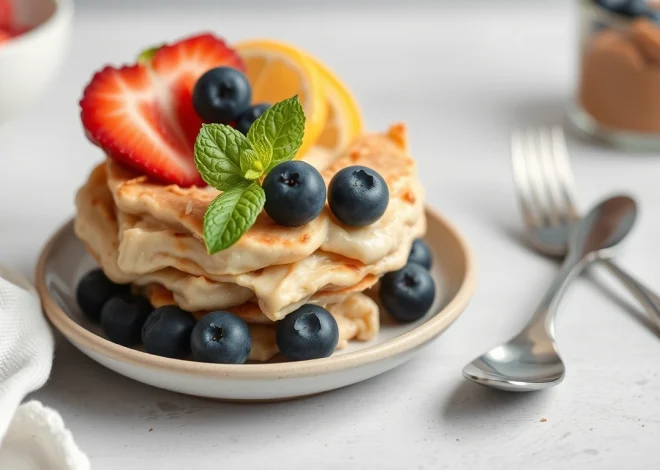
Keep food soft, warm, familiar, and ready fast in the first week. Good examples: oatmeal with nut butter, scrambled eggs and toast, soup with beans or chicken, yogurt with fruit, smoothies with protein, rice bowls with leftovers, and pasta with meat sauce or lentils.
Appetite can be unpredictable here. Some people are ravenous; others barely want to eat. Eat by the clock if hunger cues are unreliable. Failure is not the issue. It is postpartum.
Weeks 2-3: rebuild a routine
By now, many people can handle a bit more structure. Three meals and easy snacks make sense—not because the number is magical, but because many postpartum bodies do better with regular intake. Keep batch foods around: hard-boiled eggs, cooked grains, shredded chicken, chopped fruit, trail mix, hummus, and cut vegetables.
Weeks 4-6: widen the pattern
Now is the time to notice what helps and what backfires. If dairy seems to upset you, adjust. If certain high-fiber foods make you gassy or uncomfortable, rotate them. If you are breastfeeding and very hungry, increase portions rather than trying to “be careful.” Appetite is data.
There is no need to do a detox, cleanse, or “reset” after birth. Those ideas waste time and can leave you underfed. Skip anything promising a fast bounce-back and instead build a steady routine that supports healing.
What to Limit or Be Careful With After Birth
I wouldn’t turn postpartum eating into a giant ban list. That usually backfires. Still, some things deserve caution.
Alcohol
If you are breastfeeding, alcohol decisions are worth discussing with a qualified clinician, because timing and safety vary and the advice can get oversimplified online. Even if you are not breastfeeding, alcohol can worsen sleep and recovery.
Very low calorie eating
Trying to cut hard right after birth can leave you tired, irritable, constipated, and undernourished. That is especially risky if you are healing from surgery or feeding a baby around the clock.
Too much caffeine
A moderate amount may be fine for many adults, but high intake can worsen jitters, stomach upset, or sleep disruption. If the baby seems more unsettled, talk to your clinician before making assumptions.
High-mercury fish
If you eat fish, choose lower-mercury options more often and check official guidance from the FDA and EPA on fish choices during breastfeeding and postpartum if you want specifics.
Supplements without guidance
Prenatal vitamins are often continued postpartum, but other supplements can interact with medications or duplicate nutrients. Ask before adding extras.
When to Reconsider This Choice Entirely
Sometimes postpartum nutrition advice needs to stop being generic and become personal medical care. A simple self-guided plan is worth reconsidering if any of these apply:
- You had a cesarean birth and are struggling to eat, hydrate, or manage constipation.
- Your bleeding is heavy or you feel dizzy, weak, or short of breath.
- You have a history of eating disorders.
- You have diabetes, thyroid disease, kidney disease, celiac disease, inflammatory bowel disease, or another condition that changes nutrition needs.
- You are breastfeeding and your infant’s clinician has raised concerns about weight gain or feeding.
- You cannot keep food down, have severe nausea, or have signs of dehydration.
- You feel persistently sad, anxious, panicky, or detached from eating and recovery.
Those are not “just be more disciplined” problems. They deserve professional attention.
Our Verdict: Which Foods to Choose and Why
Once you know the first six weeks are about recovery, choose simple whole-food meals with convenient backups if you want the best mix of healing, energy, and practicality. Choose mostly convenience foods only if you are barely getting through the day and need the lowest-effort option to stay fed. Neither if you are using food rules to force weight loss, avoid whole meals, or manage a medical issue without support.
This is the cleanest answer for the first six weeks: make protein, fiber, fluids, and easy carbs the foundation, then use shortcuts aggressively so you actually eat.
Exception Scenarios That Change the Recommendation
- You had gestational diabetes. The food pattern may need more specific carbohydrate planning, so I would not rely on generic postpartum advice alone.
- You had significant blood loss or known anemia. Iron needs and follow-up matter more, and food may not be enough by itself.
- You are vegan or vegetarian. The plan still works, but protein, iron, B12, iodine, and omega-3 planning becomes more important.
- You have severe nausea, reflux, or a feeding issue. Small, frequent, bland meals may beat “balanced plates” for a while.
FAQ
What should I eat right after giving birth?
Start with easy meals that combine protein and carbs: eggs and toast, soup with beans or chicken, yogurt with fruit, oatmeal, rice bowls, or sandwiches with a side of fruit.
Do I need special postpartum foods?
No. You need enough food, enough fluids, and enough nutrients. Special products are optional, not necessary.
Can I lose weight after birth by eating less?
I would not aim for intentional restriction in the first six weeks. Recovery, blood loss, sleep loss, and breastfeeding can change needs quickly. Ask a clinician or registered dietitian before trying any weight-loss plan.
Are smoothies good postpartum?
Yes, if they include substance, not just fruit. Add Greek yogurt, milk, tofu, nut butter, oats, chia, or protein from a source you tolerate.
What if I have no appetite?
Try small, frequent foods that are easy to swallow and digest: toast, soup, crackers with cheese, yogurt, smoothies, bananas, rice, or eggs. If appetite loss is severe or ongoing, contact a clinician.