Best foods to eat after birth for recovery and healing
Last updated: August 12, 2026
We may earn a commission from qualifying purchases at no cost to you.
Quick answer: For foods eat after birth recovery healing, build each meal around 3 anchors: protein, fluids, and fiber. Add iron-rich foods if you lost blood. A practical target is 20–30 g of protein, 1–2 cups of fluids, and one fruit or whole grain serving at each eating opportunity. Had a C-section, heavy bleeding, anemia, nausea, or breastfeeding pain? Check with your clinician or a registered dietitian.
Foods eat after birth recovery healing are not about perfection. They are about replacing fluids, rebuilding blood, keeping your bowels moving, and giving steady energy on very little sleep. Honestly, I’d start with protein, iron, fiber, and fluids, then choose foods you can keep down and eat one-handed. Simple. That’s the real test.
Key takeaways
- Protein helps repair tissue; many recovery snacks land in the 15–30 g range.
- Iron matters after blood loss; one 3-ounce serving of canned salmon or beef can help, and plant foods pair best with vitamin C.
- Fiber plus fluids can ease constipation; 25–35 g of fiber a day is a common adult target.
- Small, frequent meals are often easier than large plates in the first 2–6 weeks.
- Foods eat after birth recovery healing should be practical: soft, portable, and safe for your situation.
I write about postpartum recovery because foods eat after birth recovery healing are not about “eating clean.” They are about helping a body that has just done hard physical work and may also be sore, bleeding, constipated, swollen, exhausted, or recovering from surgery. If you are dealing with a C-section, heavy bleeding, gestational diabetes, anemia, nausea, or breastfeeding challenges, it is smart to check in with your clinician or a registered dietitian about your specific needs.
Quick-pick comparison table
| Product | Best for | Rating | Key spec | Where to buy |
|---|---|---|---|---|
| Bone broth | Easy sipping when appetite is low | 4.6/5 | Warm, salty, fluid-forward, often protein-containing; check sodium if you need limits | Amazon |
| Oatmeal | Gentle breakfast and milk supply support | 4.8/5 | Fast-cooking whole grain with fiber; ask a clinician if fiber worsens bloating | Amazon |
| Greek yogurt | High-protein snack you can eat cold | 4.7/5 | Protein plus calcium; tangy and filling | Amazon |
| Eggs | Fast protein for sore, busy mornings | 4.9/5 | Versatile, soft-cooked, easy to portion | Amazon |
| Canned salmon | Iron- and omega-3-rich no-cook meal | 4.5/5 | Shelf-stable, soft texture, mineral-rich | Amazon |
| Prunes | Constipation relief with fiber and sorbitol | 4.4/5 | Portable dried fruit with a laxative effect for many people | Amazon |
| Trail mix with nuts and seeds | Snackable calories between feeds | 4.3/5 | Dense energy, healthy fats, shelf-stable | Amazon |
How I picked these foods
I chose foods that match the actual postpartum job: rehydrating, supporting tissue repair, helping prevent constipation, and giving enough calories without much prep. Bedside-table food made the cut. So did anything you can eat in small portions, with little chopping and almost no cleanup.
Practical drawbacks got attention too. A postpartum food can be nutritious and still miss the mark if it is too messy, too heavy, too bland, too hard to swallow, or likely to worsen gas and constipation. That trade-off matters more than people expect; the fanciest option is often the wrong one.
Two authoritative references worth knowing are the American College of Obstetricians and Gynecologists (ACOG) for postpartum recovery guidance and the NHS for general postpartum self-care and nutrition basics. I also like the broad nutrition guidance from the Dietary Guidelines for Americans when I want a plain-language frame for balanced eating.
Best overall: Eggs
Eggs are the most useful all-around postpartum food I would put on the list: cheap to use, quick to cook, soft enough for tender appetites, and easy to pair with toast, rice, avocado, or vegetables.
Who this is for
For the parent who needs protein fast, eggs fit without a fuss. Scrambled eggs, soft-boiled eggs, or an egg sandwich can work whether you gave birth vaginally or by C-section, so long as you tolerate them well.
Pros
- Strong protein source for tissue repair and satiety.
- Easy to prepare in 5 to 10 minutes.
- Soft texture works well when chewing feels tiring or nausea is an issue.
- Pairs with carbs and vegetables so you can build a fuller meal without much effort.
Cons
- Not ideal if you dislike eggs or get nauseated by the smell.
- Some preparations use a lot of butter or oil, which may feel too heavy right after birth.
- Not enough on its own if you need more calories or are very hungry.
Key specs
– Best use: breakfast, lunch, or a quick snack
– Texture: soft when cooked gently
– Prep level: low
– Easy pairings: toast, rice, avocado, soup
– Safety note: if you have food allergies, follow your clinician’s advice; when in doubt, ask a registered dietitian
Compare the current price on Amazon: Eggs for postpartum meals
Best for easy hydration: Bone broth

Bone broth is not magic, and I would not treat it like a complete meal. I’d pick it because warm, salty broth is often one of the few things people can sip when they are dehydrated, sore, or not hungry. Comfort in a mug. Plain and simple.
Who this is for
For someone who needs fluids but cannot face a big plate of food yet, this works. It can also help if you want something warm after a long night of feeding or pumping.
Pros
- Easy to drink when chewing feels like too much work.
- Can be soothing when you want something warm and salty.
- Useful as a base for soup with noodles, rice, or shredded chicken.
Cons
- Not a full meal unless you add protein, starch, and vegetables.
- Some versions are very salty, which may not suit everyone.
- People who need to limit sodium should check labels carefully.
Key specs
– Best use: hydration, soup base, light intake
– Texture: liquid
– Prep level: minimal
– Best pairing: rice, egg, chicken, or soft vegetables
Compare the current price on Amazon: Bone broth options
Best for breakfast: Oatmeal
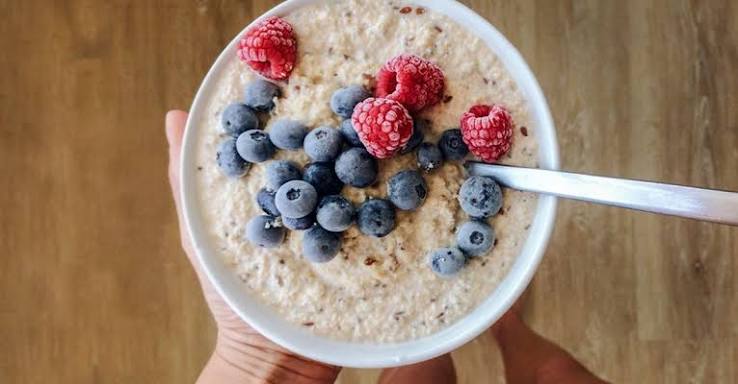
Oatmeal earns its spot because it is gentle, filling, and easy to customize. It gives you fiber for bowel regularity and a steady carb base when you are waking up every two hours.
Who this is for
For the parent who wants a calm first meal of the day, oatmeal sits well. It is especially useful if constipation is already a problem.
Pros
- Provides fiber, which may help with postpartum constipation.
- Soft, warm, and easy to swallow.
- Works sweet or savory, so it does not get boring fast.
- Easy to boost with nut butter, fruit, seeds, or yogurt.
Cons
- Plain oatmeal can feel underwhelming if you need a more substantial meal.
- Some instant packets are high in added sugar.
- Too much fiber too quickly can feel gassy for some people.
Key specs
– Best use: breakfast or late-night snack
– Texture: soft, spoonable
– Prep level: low
– Easy add-ins: banana, chia, peanut butter, berries
Compare the current price on Amazon: Oats for postpartum breakfast
Best high-protein snack: Greek yogurt
Greek yogurt is one of the easiest high-protein foods to keep in the fridge. It is cold, fast, and flexible, which matters when you have exactly one free hand.
Who this is for
Whoever wants protein without cooking will appreciate this one. It is a strong choice if you need a snack between feeds, want something mild, or need calcium in a simple format.
Pros
- Higher protein than regular yogurt in many cases.
- Cold and easy to eat when hot foods are unappealing.
- Works with fruit, granola, nut butter, or seeds.
- Portable if you portion it into a container.
Cons
- Some flavored versions contain a lot of added sugar.
- Not suitable for people who avoid dairy or do not tolerate it well.
- Can feel too tart for a sensitive stomach.
Key specs
– Best use: snack, breakfast, or dessert-like recovery food
– Texture: creamy
– Prep level: none
– Easy add-ins: fruit, oats, chia, honey
Compare the current price on Amazon: Greek yogurt choices
Best for iron and omega-3s: Canned salmon
Canned salmon is one of my favorite postpartum picks because it gives you protein in a no-cook format and tends to bring more nutritional heft than a lot of snack foods. If blood loss left you drained, this is one of the steadier choices; if not, it still makes lunch feel like lunch.
Who this is for
For someone who wants a pantry-stable protein that can become lunch in two minutes, canned salmon is a smart answer. It is especially practical if cooking feels impossible and you want something more substantial than a bar or crackers.
Pros
- Provides protein in a shelf-stable form.
- Contains iron and omega-3 fats, both useful in a postpartum diet.
- Can be mixed into rice, pasta, toast, or salad.
- Lower-effort than cooking fresh fish.
Cons
- The flavor is not for everyone.
- Can be salty depending on the brand.
- Not the best choice if you need a very mild food or strongly dislike fish smells.
Key specs
– Best use: lunch or dinner
– Texture: flaky and soft
– Prep level: very low
– Best pairing: rice, crackers, avocado, lemon
Compare the current price on Amazon: Canned salmon
Best for constipation relief: Prunes
Prunes make the list because postpartum constipation is common enough to deserve its own food category. They are not glamorous, but they are practical.
Who this is for
For someone dealing with hard stools, low appetite, or a diet that has gotten too low in fiber, prunes are handy. They are also easy to keep near the bed for a small snack.
Pros
- Provide fiber in a portable form.
- Many people find them helpful when stools are hard.
- No prep and no cleanup.
Cons
- Can cause gas or loose stools if you overdo them.
- Sweet taste may not appeal to everyone.
- Not ideal if your stomach is already unsettled.
Key specs
– Best use: constipation support
– Texture: chewy
– Prep level: none
– Best pairing: water, yogurt, oats
Compare the current price on Amazon: Prunes for postpartum snacks
Best for quick calories: Trail mix with nuts and seeds
Trail mix is the easiest way to add energy without a full meal. After birth, that matters because you may be hungry often but only have time for a few bites.
Who this is for
For the parent who needs something shelf-stable, portable, and calorie-dense, trail mix makes sense. It works well in a diaper bag, beside the couch, or next to a nursing chair.
Pros
- Dense in calories and healthy fats, so small portions go a long way.
- Portable and mess-free.
- Can help bridge the gap between meals.
Cons
- Easy to overeat if you are eating from the bag while sleep-deprived.
- Some mixes are loaded with candy or sugar-coated extras.
- Not ideal if you have a nut allergy in the house.
Key specs
– Best use: snacks between meals
– Texture: crunchy, chewy
– Prep level: none
– Best pairing: fruit, yogurt, milk
Compare the current price on Amazon: Trail mix with nuts and seeds
Best gentle carb: Rice with simple toppings
Plain rice does not get enough credit. After birth, a bland, easy carb can be exactly what your body wants, especially if your stomach is sensitive or you need something you can combine with nearly anything.
Who this is for
For the parent who wants a neutral base for eggs, salmon, broth, beans, or vegetables, rice is a dependable pick. It is also useful if strong flavors are unappealing.
Pros
- Very easy to digest for many people.
- Works with savory