Easy Postpartum Breakfast Ideas for Recovery, Energy, and Breastfeeding Support
Last updated: August 12, 2026
- Key facts – A postpartum breakfast works best when it is quick, filling, and easy to eat one-handed.
- Just food that is easy to assemble, gentle on your stomach, and actually there when you are half-awake.
- The sweet spot matters even more during recovery from birth, fragmented sleep, and breastfeeding or pumping.
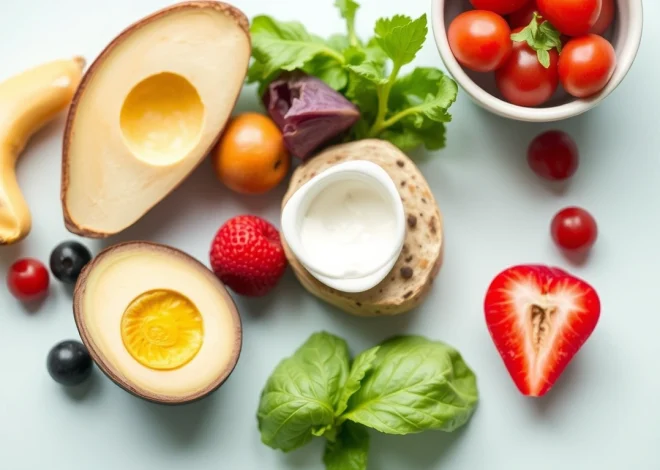
- – A practical template is protein + carb + fruit or fiber + fluid .
Quick Answer: For recovery, energy, breastfeeding support, the best easy postpartum breakfast ideas are usually a simple protein-plus-fiber breakfast plus fluids, and a realistic target is 3 parts: protein, carb, and fruit or fiber. Fast. Filling. One-handed when possible. That is the sweet spot. The sweet spot matters even more during recovery from birth, fragmented sleep, and breastfeeding or pumping. I’m writing this from a nutrition-and-health writing background, and because this is a health topic, I want to say up front: talk with a qualified professional about your own recovery, bleeding, pain, appetite, milk supply concerns, or any dietary restriction.
Key facts
– A postpartum breakfast works best when it is quick, filling, and easy to eat one-handed.
– A practical template is protein + carb + fruit or fiber + fluid.
– For anyone breastfeeding, steady intake and fluids matter more than chasing “superfoods.”
– A realistic breakfast can be built in 2 minutes with yogurt, oats, toast, eggs, or a smoothie.
– If symptoms are severe or appetite is very low, speak with a clinician or lactation professional.
The short answer? The best postpartum breakfast is usually a protein-plus-fiber breakfast with fluids on the side, but the right choice depends on your appetite, recovery, and any medical advice you’ve been given. No perfect “superfood” plate is needed. Just food that is easy to assemble, gentle on your stomach, and actually there when you are half-awake.
What postpartum breakfast needs to do that a normal breakfast doesn’t
Postpartum breakfast works best when it handles three jobs at once: recovery, energy, and convenience. A generic “healthy breakfast” article often misses the timing problem. New parents usually do not need a beautiful meal plan. They need food that can survive cold coffee, a crying baby, and zero prep time.
So I recommend treating breakfast as a recovery tool, not a performance, while still checking with a qualified professional if you have concerns about bleeding, pain, appetite, or milk supply. Look for:
– Protein for satiety and tissue repair support
– Carbohydrate for quick, usable energy
– Fiber for steadier blood sugar and digestion support
– Healthy fats for staying power
– Fluids because thirst is common, especially for breastfeeding parents
No magic ingredient guarantees more milk or faster healing. Research and lactation guidance generally suggest that eating enough, drinking to thirst, and not skipping meals can support overall well-being during breastfeeding, but milk supply is influenced by many factors. For medically grounded breastfeeding guidance, I would trust sources like the Academy of Breastfeeding Medicine and La Leche League International, and for general postpartum nutrition basics, the U.S. Office on Women’s Health and NHS are solid starting points.
The practical test I use for breakfast ideas is simple: can this be eaten quickly, made with minimal cleanup, and kept down by a tired body? When the answer is no, it is probably not a true postpartum breakfast. Like a flat tire, it won’t get you far.
Easy postpartum breakfast ideas I would actually keep on repeat

I would choose breakfasts that can be assembled from pantry and fridge staples. That keeps the plan realistic when you cannot predict hunger, baby sleep, or how much time you get. These are not fancy recipes. They are repeatable structures.
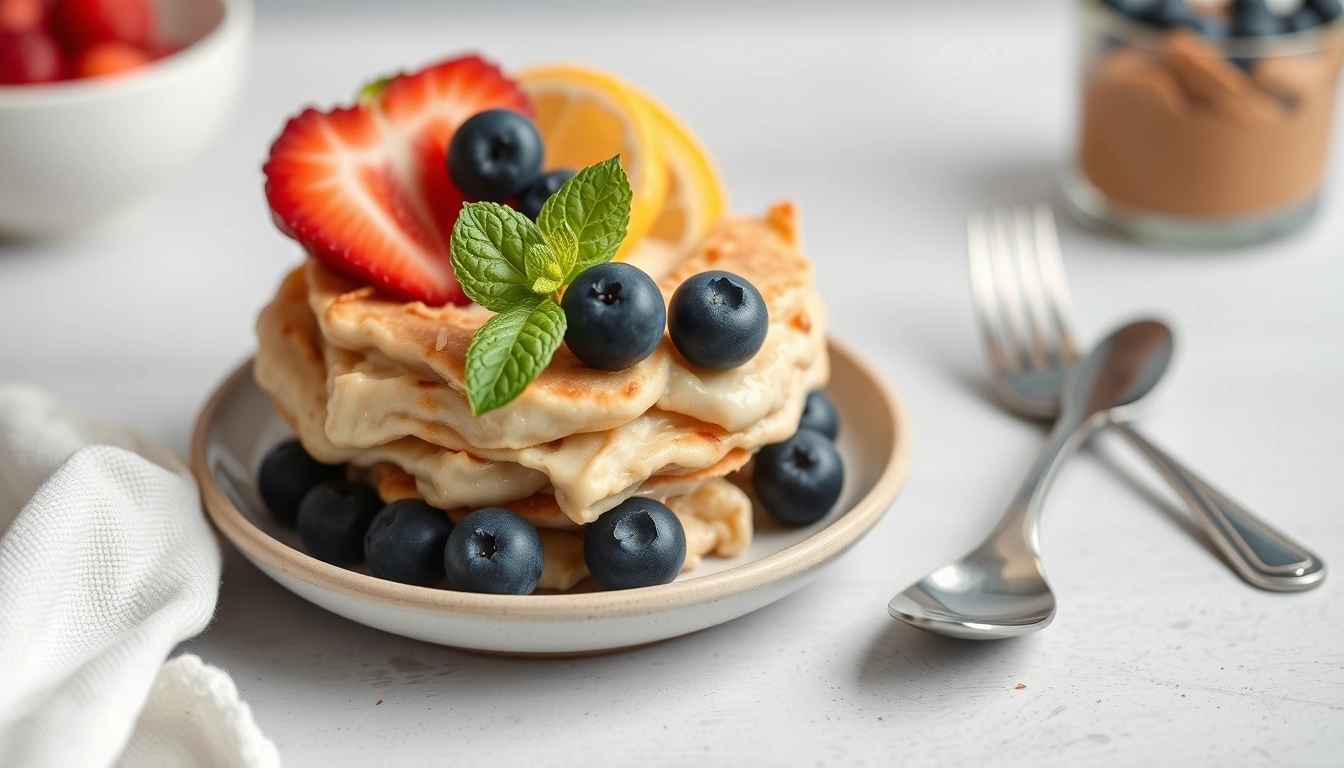
1) Greek yogurt bowl
– Greek yogurt
– Banana or berries
– Granola, oats, or chopped nuts
– A drizzle of nut butter or honey if desired
Why it works: protein from yogurt helps it feel substantial, and fruit adds quick energy. For those who tolerate dairy well, this is one of the easiest high-protein breakfasts to keep in rotation.
2) Oatmeal with extras
– Oats cooked with milk or fortified non-dairy milk
– Nut butter, chia, flax, or walnuts
– Fruit, cinnamon, or raisins
Why it works: oats are filling and easy to digest for many people. Plain oats can feel too light for some people, so adding protein or fat is often helpful.
3) Egg toast
– Scrambled, fried, or hard-boiled eggs
– Whole-grain toast
– Avocado, cheese, or tomato if you have it
Why it works: eggs are quick and versatile, and the meal is easy to scale up or down depending on appetite. The drawback is that they do require a little active cooking unless you batch-boil them ahead of time.
4) Breakfast sandwich or wrap
– Egg, cheese, leftover chicken sausage, tofu, or beans
– English muffin, tortilla, or toast
Why it works: this can be a practical “eat it while standing at the counter” option. It is less elegant than a bowl, but that is exactly why it works postpartum.
5) Smoothie with substance
– Milk, yogurt, kefir, or fortified non-dairy milk
– Banana and berries
– Oats, nut butter, or chia
Why it works: useful when chewing feels hard, your stomach is unsettled, or you need something you can sip. The risk is that a fruit-only smoothie can be too light, so I would not use those as a main breakfast.
6) Cottage cheese plate
– Cottage cheese
– Fruit
– Toast, crackers, or nuts
Why it works: high protein, low effort, minimal cooking. The main drawback is texture; some people love it, some do not.
7) Overnight oats
– Oats
– Milk
– Yogurt or chia
– Fruit and nut butter
Why it works: grab-and-eat convenience. The weakness is that it takes a little planning the night before, which may be unrealistic in the early newborn stage.
The real difference between “fast” breakfast and “supportive” breakfast
Fast wins in the first weeks. Supportive wins over the whole day. The mistake I see most often is treating any quick food as good enough, even if it leaves you hungry an hour later; so it is worth checking with a clinician or lactation professional if eating feels unusually hard or if you have concerns about weight loss or low intake.
A supportive breakfast has staying power. Usually, it includes at least two of these three: protein, fiber, and fat. A fast breakfast can still do that, but it has to be built on purpose. For example, toast alone is fast. Toast with eggs and avocado is fast and supportive. A banana alone is fast. Banana with peanut butter and yogurt is better.
Here is the honest trade-off: more supportive breakfasts usually take slightly more assembly. When your mornings are chaotic, choose the version that makes the fewest decisions. That might mean:
– keeping yogurt visible at eye level
– pre-boiling eggs
– portioning oats into jars
– buying frozen fruit so you do not have to wash and chop it
– using pre-made whole-grain toast or wraps instead of cooking from scratch
If breastfeeding is part of your day, I would be especially cautious about very light breakfasts. Many people feel much better when they do not go too long without eating, but appetite varies a lot postpartum. If nausea, low appetite, or pain makes eating hard, that is a reason to speak with a clinician or lactation professional rather than forcing a big meal.
The honest side-by-side

| Criteria | Yogurt / oatmeal bowls | Egg-based breakfasts | Winner for condition |
|---|---|---|---|
| Speed | Very fast if ingredients are ready | Fast, but more active prep | Yogurt / oatmeal bowls |
| Staying power | Good if built with protein and fat | Usually excellent | Egg-based breakfasts |
| One-handed eating | Sometimes awkward | Better in sandwich/wrap form | Egg-based breakfasts |
| Gentle on a sensitive stomach | Often easier | Can feel heavy for some people | Yogurt / oatmeal bowls |
| Best for lower-prep mornings | Strong choice | Better when you can cook | Yogurt / oatmeal bowls |
| Best for higher protein | Good, but depends on portions | Strong natural fit | Egg-based breakfasts |
| Best for breastfeeding hunger | Good when paired well | Strong if appetite is high | Egg-based breakfasts |
| Best for batch prep | Excellent | Good if you batch-cook eggs or sandwiches | Yogurt / oatmeal bowls |
| Texture variety | Flexible | Less flexible without extras | Yogurt / oatmeal bowls |
My read on the table is plain: bowls win for speed and low-friction mornings. Egg-based breakfasts win when you need something that keeps you full longer. If you are choosing just one style to stock your kitchen around, I would pick bowls first and eggs second.
Easy postpartum breakfast ideas for breastfeeding support
When breastfeeding is part of your routine, I would not chase special foods so much as steady intake. The most useful breakfast is one you can eat often enough to keep your energy up. That is the part most breastfeeding advice glosses over.
Breastfeeding-friendly breakfasts tend to share a few traits:
– they are calorie-adequate without being huge
– they include protein
– they include carbs, because carbs make many breakfasts feel more satisfying
– they come with fluids, since thirst is common
– they are easy to repeat when you are tired
That is why oatmeal with nut butter, yogurt with fruit and granola, and egg toast are such strong choices. They are not magical. They are simply practical. A breakfast that sits uneaten because it is too complicated does nothing for you.
A few honest cautions:
– Do not assume a food “boosts supply” just because people say it does. Some foods are traditionally used in lactation cultures, but the evidence is mixed and individual responses vary.
– Do not force foods that upset your stomach. Recovery is not the time to fight through meals that make nausea, reflux, or pain worse.
– Do not ignore thirst. A breakfast with a glass of water, milk, or another tolerated beverage is often more helpful than a complicated recipe.
If you want the most evidence-based general guidance, I would look at the Office on Women’s Health breastfeeding resources and the Academy of Breastfeeding Medicine for lactation topics, then use a registered dietitian or postpartum clinician for personal advice.
Our verdict: which one to choose and why
Choose yogurt or oatmeal bowls if your mornings are chaotic, you need almost no cleanup, or your appetite is unpredictable. Choose egg-based breakfasts if you get hungry quickly, need longer-lasting fullness, or like a more savory meal. Neither if eating is painful, you cannot keep food down, you have signs of a postpartum complication, or your feeding concerns need medical guidance.
That is the real decision. When you are exhausted and overwhelmed, the easiest workable breakfast is the right one. Not the most elaborate one.
My practical top pick is this: start with a yogurt or oatmeal setup as your default, then keep eggs or a breakfast sandwich as the second option. That gives you one no-cook path and one more filling path. It is a small system, but postpartum is exactly the season where small systems matter.
When to reconsider this choice entirely
There are a few cases where breakfast ideas are not the main issue.
-
You have severe nausea, vomiting, or trouble swallowing.
That needs medical attention, not just a better breakfast list. -
You are struggling with very low appetite, dizziness, or weakness.
Postpartum recovery can be complicated, and those symptoms deserve professional evaluation. -
You have dietary restrictions or a history of food intolerance.
The “best” breakfast is the one that fits your body, culture, and medical plan. -
You are worried about milk supply, weight loss, or not eating enough.
That is a good time to speak with a lactation consultant, OB-GYN, midwife, or registered dietitian.
If breakfast feels impossible, the answer may be simplification rather than optimization. A banana with peanut butter is better than no breakfast. Toast with cheese is better than skipping until noon. Postpartum recovery rewards consistency, not perfection.
A simple postpartum breakfast template you can reuse
If you want one repeatable formula, I would use this:
Protein + carb + fruit or fiber + fluid
Examples:
– Greek yogurt + oats + berries + water
– Eggs + toast + avocado + milk
– Cottage cheese + fruit + crackers + tea
– Oatmeal + nut butter + banana + water
That formula works because it covers the basics without making breakfast feel like a project. You can swap ingredients based on what is in the house, what your stomach tolerates, and how much time you have.
FAQ
What is the best quick postpartum breakfast?
The best quick option is usually one you can assemble without cooking, like Greek yogurt with fruit and granola or overnight oats with nut butter.
Are oats actually good after childbirth?
Oats are a practical postpartum breakfast because they are filling, easy to prepare, and simple to pair with protein and fruit. They are not a cure-all.
What should I eat when breastfeeding and always hungry?
Focus on more filling breakfasts with protein, carbs, and fat, such as eggs on toast, yogurt bowls, or oatmeal with nut butter. If hunger feels extreme or unusual, check in with a professional.
Can I just drink a smoothie for breakfast?
Sometimes, yes. I would make it a substantial smoothie with protein and fat, not just fruit and juice, so it holds you longer.
What if I have no appetite in the morning?
Start small. A few bites of toast, a banana with nut butter, or a smoothie may be more realistic than a full plate. If appetite stays very low, ask a qualified clinician about it.