Postpartum Hydration Tips: Drinks and Food-Based Ways to Stay Hydrated
Last updated: August 12, 2026
Running on broken sleep, sore nipples, bleeding, sweat, and maybe pumping or breastfeeding? Then postpartum hydration tips: drinks food-based ways stay hydrated is not a cute wellness line. It is logistics. Quick answer: sip often, work in water-rich foods, and keep a simple routine that puts fluids close at hand. For breastfeeding parents, a practical default is to drink at every feed and add 1–2 water-rich foods a day.
- Postpartum hydration works best when drinks and food-based hydration are used together.
- Water is the default baseline; electrolyte drinks are situational tools.
- Soup, milk, smoothies, fruit, yogurt, and cucumbers can add fluid without extra effort.
- A bedside bottle, one drink at each feed, and one water-rich snack a day are simple anchors.
- If you have vomiting, dizziness, very dark urine, or a medical reason to limit fluids, contact your clinician.
I write about postpartum recovery and infant-feeding routines from a practical health-content lens. The pattern is usually the same: the “best” hydration plan is the one a tired parent can actually keep doing. Simple. Not fancy.
What Actually Helps Most: Drinks or Food-Based Hydration?
Start with drinks, then let food fill in the edges. Drinks do the heavy lifting because they are usually the fastest way to replace fluid, especially when you are breastfeeding, sweating, or simply forgetting to eat. Food-based hydration matters too, but it is backup, not the main engine.
Plain water alone is not always the whole answer. Postpartum thirst can hit hard, yet if you are losing more fluid than usual or eating very little, water by itself may not be enough. A mix of plain water, milk, soups, fruit, yogurt, and other water-rich foods is usually easier to keep up than one giant bottle you keep meaning to finish. The bottle can become a prop.
Convenience is the real separator. Drinks are easier to sip one-handed. Food helps when drinking feels impossible, when your stomach is unsettled, or when you want hydration attached to meals and snacks so you do not forget. Honest truth: attachment matters more than perfect intention.
The trade-off is real. Chug huge amounts too quickly, and drinks can backfire. Rely only on food, and you may move too slowly if you are already behind. Most postpartum people do best with both in play — drinks doing the main work, food making hydration feel automatic.
Water: Who Should Actually Use This (and Who Shouldn’t)
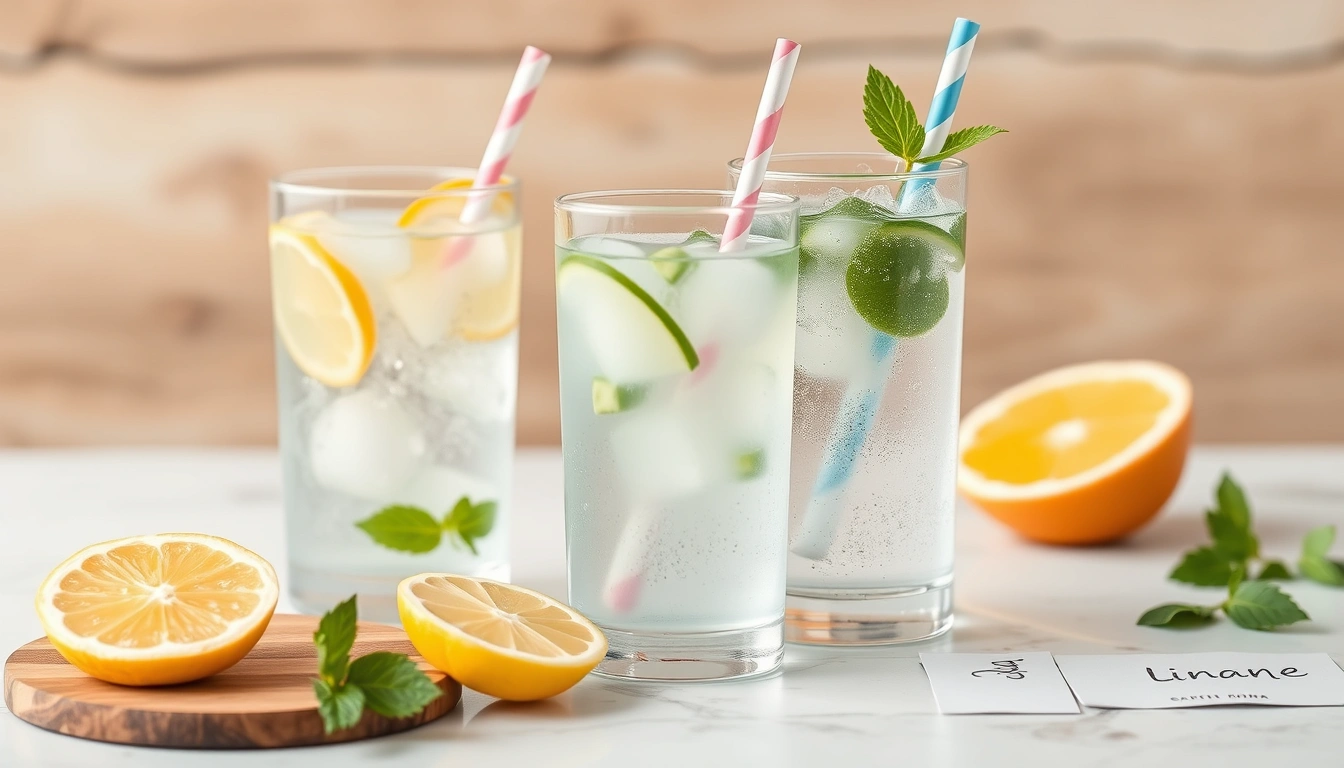
Water is the broadest fit because it is cheap, easy to find, and gentle on the stomach. If you want a default option, this is it. It works well when you are trying to keep things simple, avoid excess sugar, and make hydration available everywhere: bedside, nursing chair, car seat area, diaper station, and kitchen.
Usually, water is the right call if:
– you are eating regularly,
– your urine is usually pale yellow,
– you are not dealing with vomiting or diarrhea,
– and you do not have a medical reason to limit fluids.
No calories. No sodium. That is the weak spot. If you are barely eating, sweating a lot, or losing fluid through illness, plain water may not feel satisfying, and it may not fully match what your body is asking for. Some people also find it boring enough to skip. Boring wins? Not here.
Skip the “only water” approach if it pushes you toward under-eating, lightheadedness, or the idea that you should force down huge amounts all at once. That is not a hydration plan; it is a chore you will ditch by day three.
My practical recommendation: keep water as your baseline, but do not make it your only tool.
Electrolyte Drinks: The Specific Situations Where They Win
Electrolyte drinks earn their keep when plain water is not enough to keep you feeling okay. They are most useful if you are sweating, breastfeeding and feeling wiped out, recovering from a birth that left you depleted, or struggling to eat enough regular meals. The point is not magic; sodium and other electrolytes can make fluid replacement feel more effective for some people.
Reach for one when:
– you are drinking water but still feel dry or headache-y,
– you are losing more fluid than usual from sweat,
– you need something easier to sip than plain water,
– or you have had a tough night and need a little more help getting fluids in.
Some electrolyte drinks are basically flavored sugar water in athletic clothing. They can taste too sweet, sit oddly in a sensitive stomach, or crowd out actual food if you use them instead of meals. And plenty of people do not need them every day. That habit can get pricey fast.
For postpartum hydration, I would treat electrolyte drinks as a tool, not a lifestyle. If you have a medical condition, are unsure what is safe, or are trying them for the first time, check with your obstetric clinician or midwife first. They make sense on high-loss days or when plain water is not cutting it. They do not need to be your default if you are eating well and drinking enough. The CDC notes that many sports drinks contain added sugars, so check labels before making them a habit.
The smartest version is simple: keep a few on hand, use them when symptoms or circumstances justify them, and check current price at retailers you trust, since availability and formulas vary. Cheap, available, safe enough — that is the sweet spot.
Soup, Milk, Smoothies, and Fruit: The Real Food-Based Hydration Winners
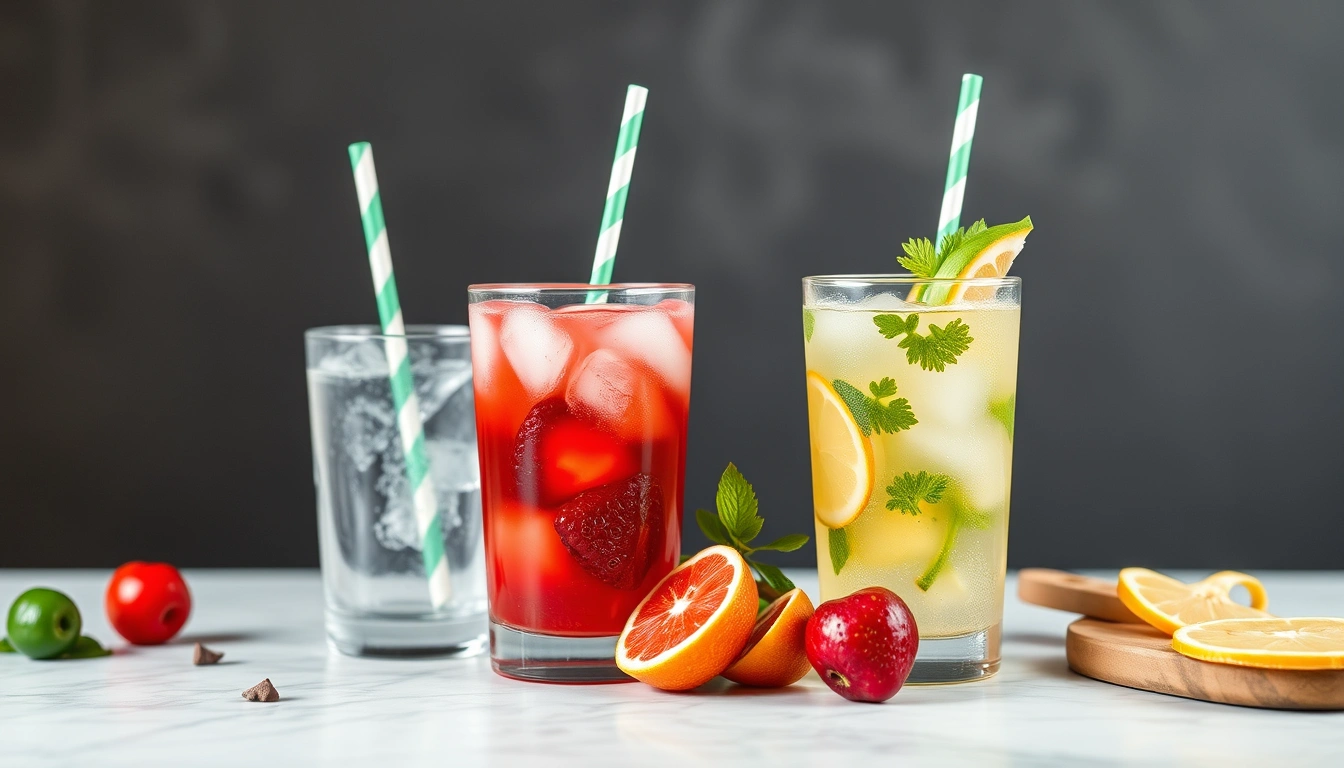
Food-based hydration shines when you are too tired to track every sip. It slides fluid into the day without another “drink your water” reminder. Many generic articles miss this part: postpartum hydration often succeeds because it gets attached to something you already planned to eat.
My top food-based options are:
– soup or broth-based meals,
– milk,
– smoothies,
– yogurt,
– oranges, melon, berries, grapes,
– cucumbers, tomatoes, lettuce, celery,
– oatmeal made a little looser,
– and popsicles made from fruit or yogurt.
These are easy to take in when appetite is unpredictable. Soup is especially useful if you are cold, tired, or craving something salty. Smoothies help when chewing feels like too much effort. Fruit gives you fluid plus carbs, which can be helpful if you need energy along with hydration. Not glamorous. Very effective.
The limitation is simple: food-based hydration is slower and less measurable. You cannot tell at a glance how much fluid you got from a bowl of berries or a mug of soup. And if a food is very salty, very sugary, or hard to digest, it can leave you feeling worse instead of better.
Use food-based hydration to support meals and snacks, not replace deliberate drinking. It is the best answer for people who forget to hydrate unless it is built into eating.
The Honest Side-by-Side
The cleanest choice is not “water versus everything else.” It is “what gets fluid into your body reliably with the least friction.” Here is the comparison I would actually use.
| Criteria | Drinks | Food-Based Hydration | Winner for [condition] |
|---|---|---|---|
| Speed of fluid replacement | Faster and easier to sip frequently | Slower because you must eat it | Drinks for immediate thirst |
| Ease during night feeds | Usually easier one-handed | Less convenient when exhausted | Drinks for bedside routines |
| Support for low appetite | Can feel more doable than a meal | Helpful if you cannot tolerate large meals | Food-based for small, gentle intake |
| Help with sweat loss | Electrolyte drinks can help on high-loss days | Usually not enough on their own | Drinks when fluid loss is higher |
| Satiety | Less filling | More filling and more likely to sustain energy | Food-based when you also need calories |
| Digestive comfort | Can be gentler for some, too sweet for others | Can help or hurt depending on the food | Depends on nausea and tolerance |
| Measurability | Easier to track | Harder to estimate | Drinks for people who like simple tracking |
| Risk of overdoing sugar | Some flavored drinks are high in sugar | Fruit and yogurt can still add sugar, but usually with more nutrients | Food-based for better nutrient density |
| Convenience while feeding a baby | Usually better | Depends on prep and cleanup | Drinks during hands-busy moments |
| Best use case | Daily baseline and high-thirst moments | Backup support and hydration through meals | Both, in different roles |
If I had to pick one category for pure practicality, I would choose drinks. If I had to pick one category for making hydration happen without thinking, I would choose food-based hydration around meals and snacks. Each one patches a different hole. That is the real story.
Our Verdict: Which One to Choose and Why
Choose drinks if you need a simple, repeatable default and you are often thirsty between feeds, during night wakings, or after sweating. Choose food-based hydration if you are more likely to eat than remember to drink, or if plain fluids feel unappealing and you want hydration tied to something nourishing. Neither if you are vomiting, have significant swelling with a medical concern, or have been told by your clinician to restrict fluids for any reason.
My verdict is practical: use water as your base, add electrolyte drinks selectively, and let food-based hydration do the rest. That is the least fussy plan and the one most postpartum parents can sustain.
Here is the version I would actually recommend:
1. Keep a drink within reach wherever you feed the baby.
2. Put one water-rich food into at least one snack or meal.
3. Use an electrolyte drink on days when you sweat more, feel depleted, or cannot eat well.
4. Watch your body, not a perfect quota.
If your urine is consistently dark, you feel dizzy when you stand, your mouth is dry all the time, or you are struggling to keep fluids down, hydration has moved from a habit question to a health question. Talk with your clinician then.
When to Reconsider This Choice Entirely
The overall advice changes in a few situations.
First, if you have a medical condition that affects fluid balance, do not freestyle hydration advice from the internet. Ask your obstetric clinician, midwife, or primary care doctor what makes sense for you.
Second, if you are breastfeeding and feeling shaky, headachy, or overly drained despite drinking, the problem may not be “more water.” It may be that you need more food, more rest, or help assessing whether something else is going on.
Third, if drinking lots of plain water is making you feel nauseated or overly full, switch strategy instead of forcing it. Smaller sips, cooler drinks, broth, smoothies, or fruit can be easier.
Fourth, if your intake is low because you are depressed, anxious, overwhelmed, or too busy caring for the baby to eat or drink, the issue is not knowledge. It is load. In that case, the best hydration tip is to reduce friction: place water where you sit, ask someone to bring snacks, and choose the least annoying option.
Postpartum Hydration Tips That Make the Plan Stick
The best hydration plan is the one you do on autopilot, not the one that looks perfect on paper. I would use these habits:
- Put a filled bottle by the bed before sleep.
- Drink something every time you feed the baby, if that does not make you nauseated.
- Pair fluids with routine moments: diaper changes, pumping, breakfast, medication.
- Keep fruit, yogurt, soup, or popsicles in easy reach.
- Pick one drink you do not hate and buy it again.
- Do not wait until you feel parched; thirst is a late signal for many people.
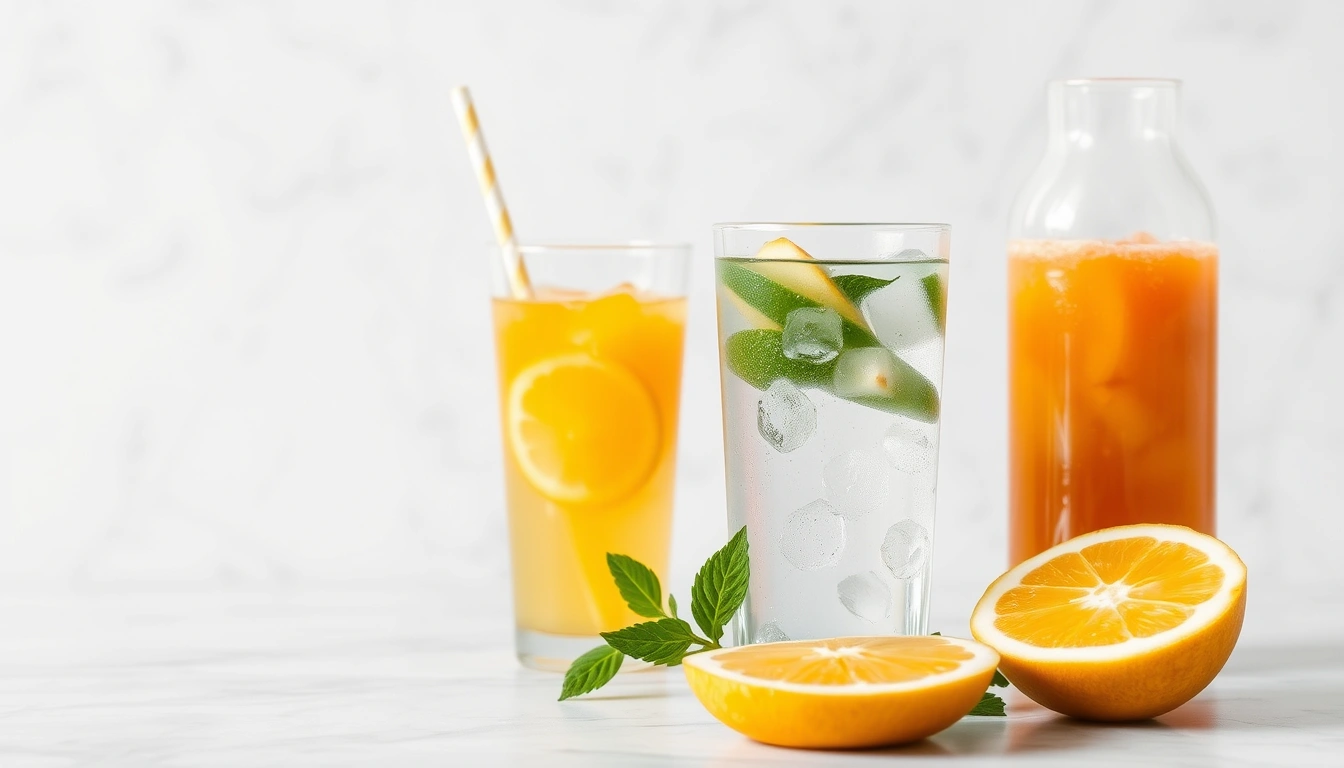
- If plain water bores you, add lemon, cucumber, or ice, but do not turn it into a sugar drink unless you need that.
I would avoid two common mistakes. One is treating hydration like a punishment drill and trying to “catch up” all at once. The other is assuming that because a food contains water, you do not need to drink. Both mistakes usually leave people still thirsty.
Quick FAQ
How much should I drink postpartum?
I would not give you a single number without knowing your feeding pattern, body size, climate, and medical history. A better rule is to drink regularly and watch for thirst, urine color, dizziness, and dry mouth. If you need a precise target, ask your clinician.
Are sports drinks okay after birth?
Sometimes, yes. They can help on sweaty or depleted days, but many are sweeter than you need. I would use them selectively rather than as your main drink.
Can I count coffee or tea?
Yes, they contribute fluid, but I would not rely on them alone. Too much caffeine can make some people feel shaky or worsen sleep, which is already fragile postpartum.
What foods hydrate best?
Soups, broth-based meals, melon, oranges, berries, cucumbers, yogurt, smoothies, and oatmeal with extra liquid are all practical choices.
When should I call a doctor?
Call if you cannot keep fluids down, feel dizzy or faint, have very dark urine, have a severe headache, or think something is off. For specific postpartum symptoms, your obstetric care team should guide you.
For more on postpartum nutrition and hydration basics, the American College of Obstetricians and Gynecologists has patient guidance, and the U.S. National Library of Medicine’s MedlinePlus is a useful general health reference.