Best Protein Shakes for Postpartum Recovery: Ingredients to Look For
Last updated: August 12, 2026
We may earn a commission from qualifying purchases at no cost to you.
20 to 30 grams. That’s the sweet spot most people can actually use. For protein shakes postpartum recovery: ingredients look, the winning pick is usually the one you can keep down, keep around, and drink when meals are late, sleep is chopped up, and your stomach is touchy.
Quick answer: the best protein shakes for postpartum recovery usually deliver 20 to 30 grams of protein per serving, use ingredients you tolerate well, and keep added sugar low. In protein shakes postpartum recovery: ingredients look, the best choice is the one you can drink consistently when meals are delayed, sleep is broken, and your stomach is sensitive.
Key takeaways:
– Aim for 20 to 30 grams of protein per shake.
– Keep added sugar under 10 grams when possible.
– Choose a protein source you digest comfortably, such as dairy or plant-based protein.
– Ready-to-drink shakes are faster; powders give you more control.
– A shorter ingredient list can be easier to tolerate when appetite is off.
I write about nutrition products with a postpartum lens because the real question is not “Which shake has the flashiest label?” It’s “Which one helps a tired, healing body actually get fed when sleep is broken and meals are late?” Honestly, that’s the part most marketing skips. If that is your situation, this guide on protein shakes postpartum recovery: ingredients look is for you.
Quick-pick comparison table
| Product | Best for | Rating | Key spec | Where to buy |
|---|---|---|---|---|
| Ritual Essential Protein | Clean ingredient short list | 4.7/5 | Plant-based, minimal extras, vanilla | Amazon |
| Orgain Organic Protein Shake | Ready-to-drink convenience | 4.5/5 | Shelf-stable RTD shake, plant-based | Amazon |
| Fairlife Core Power | Dairy-based high-protein option | 4.6/5 | Milk protein, smooth texture | Amazon |
| Garden of Life Sport Organic Plant-Based Protein | Higher-protein powder for blending | 4.4/5 | Plant protein powder, sport-leaning formula | Amazon |
| OWYN Pro Elite High Protein | Dairy-free, higher protein | 4.5/5 | Plant-based, no dairy/soy | Amazon |
| KOS Organic Plant Protein | Best for smoothie mixing | 4.3/5 | Plant protein powder with added flavor | Amazon |
| Premier Protein Shake | Budget-friendly grab-and-go | 4.2/5 | Ready-to-drink, widely available | Amazon |
How I picked these shakes
I’m not going to pretend I personally recovered postpartum or ran lab tests on these bottles. I didn’t. What I can do, though, is look at each formula the way a postpartum shopper should: ingredient quality, protein source, allergen profile, sweetener load, ease of use, and whether the shake matches common recovery needs like quick protein, enough calories to matter, and a stomach that may be less forgiving after birth.
Because postpartum life is time-starved, I also looked for products that are easy to find through more than one retailer, not just Amazon. If a shake is sold by the brand itself and also shows up at major retailers like Walmart or Target, that matters because stock changes fast and you should have options. Supply gaps happen. Fast.
For general postpartum nutrition guidance, I cross-checked the basics against trusted sources such as the Academy of Nutrition and Dietetics and the NHS advice on what to eat when breastfeeding. Protein shakes can help, but they are supplements, not a substitute for enough food, fluids, and medical follow-up if recovery is not going smoothly.
Best protein shakes for postpartum recovery
Best Overall: Ritual Essential Protein
Ritual wins for postpartum recovery because the formula is straightforward, the ingredient list is short, and it avoids the “kitchen sink” problem that makes some shakes hard to tolerate when appetite is off. Clean, simple, unfussy. That matters.
Who it’s for: If you want a cleaner plant-based powder and you plan to blend it into smoothies, oatmeal, or milk, this is the one I’d start with.
Pros
- Short, easy-to-scan ingredient list.
- Plant-based, which helps if dairy sits poorly after birth.
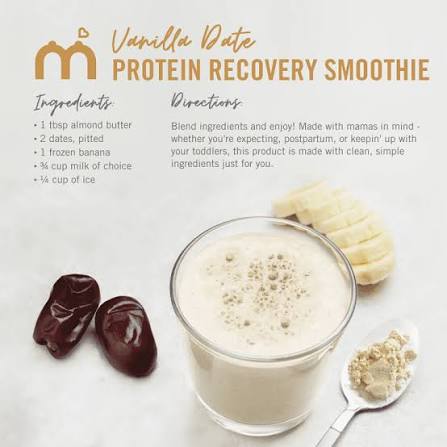
- Works well as a base for fruit, nut butter, or yogurt in a smoothie.
- Usually available through the brand and major retailers, so you’re not locked into one store.
Cons
- Not a ready-to-drink bottle, so it takes a blender or shaker.
- Plant protein can taste earthy; not everyone likes the texture.
- If you need a very high-protein grab-and-go option, you may want something more convenient.
Key specs
– Type: Plant-based protein powder
– Best use: Smoothies, bowls, mixed drinks
– Common concern: May include allergens depending on flavor and formulation, so check labels carefully
– Substitution tip: If you avoid the specific plant blend, look for a single-source pea or a pea-rice blend instead
Compare the current price on Amazon.
Best Ready-to-Drink: Orgain Organic Protein Shake
Orgain is a strong pick if you need something you can open and drink with one hand while holding a baby with the other. That convenience matters more in postpartum life than most product pages admit, especially on days when 10 minutes feels like a luxury. And yes, some days that’s the whole story.
Who it’s for: Anyone who wants a ready-made shake they can keep in the pantry, diaper bag, or fridge for a no-prep protein hit.
Pros
- Ready-to-drink format saves time.
- Easy to keep on hand for skipped meals or long feeding stretches.
- Plant-based option if dairy is bothering your stomach.
- Good “emergency nutrition” when cooking is not realistic.
Cons
- RTD shakes cost more per serving than powder in most cases.
- Some people find packaged shakes too sweet.
- Less flexible than a powder if you want to adjust thickness or protein level.
Key specs
– Type: Ready-to-drink shake
– Best use: On-the-go postpartum snacking
– Common concern: May contain gums or thickeners that some people dislike
– Substitution tip: If you want fewer additives, choose a simpler powder and mix it yourself
Compare the current price on Amazon.
Best Dairy-Based Option: Fairlife Core Power
Fairlife is a solid option for readers who want a milk-based shake that feels more like a snack than a supplement. The dairy protein gives it a fuller, smoother profile than many plant shakes, which can be helpful when you want something familiar. Comfort food, basically — just in bottle form.
Who it’s for: If you tolerate dairy well and want something cold, fast, and satisfying, this is a practical choice.
Pros
- Smooth texture compared with many chalky protein drinks.
- Dairy protein is a good fit for people who want a more traditional milk shake feel.
- Convenient when you need something substantial between meals.
- Available through multiple retailers, including major grocery and mass-market chains in many areas.
Cons
- Not a good pick if you avoid dairy or suspect lactose sensitivity.
- Packaged drinks may not suit people who want a very short ingredient list.
- Flavor can feel rich if your appetite is still unsettled after birth.
Key specs
– Type: Dairy-based ready-to-drink shake
– Best use: Fast protein between naps and feeds
– Common concern: Milk allergen; not suitable for dairy-free diets
– Substitution tip: If dairy is a problem, switch to a plant-based RTD like OWYN
Compare the current price on Amazon.
Best Higher-Protein Powder: Garden of Life Sport Organic Plant-Based Protein
This is the pick for readers who want a powder with a more performance-oriented feel but still need a postpartum-friendly dairy-free option.
Who it’s for: If you want to blend your shake into fruit, oats, or nut milk and you care about a stronger protein-forward formula, this is worth a look.
Pros
- Good for making a more filling smoothie than many premade shakes.
- Plant-based, which helps if you are avoiding dairy.
- Useful if you want to add banana, avocado, or oats for extra staying power.
- Easy to adjust serving size based on appetite.
Cons
- Sport-oriented formulas can taste less neutral than plain protein powders.
- Some people do not like the texture of plant blends unless they are blended well.
- Less convenient than a bottled shake when you are out of the house.
Key specs
– Type: Plant-based protein powder
– Best use: Filling smoothies after breakfast or after a nursing session
– Common concern: May include common allergens depending on flavor and processing environment
– Substitution tip: Use unsweetened oat milk or water if dairy-free and you want a lighter texture
Compare the current price on Amazon.
Best Dairy-Free High Protein: OWYN Pro Elite High Protein
OWYN is a smart choice when you want a bottled shake with more protein than many casual options, but you still need to avoid dairy and soy. It hits a narrow lane, and that’s the point.
Who it’s for: Parents who need a stronger protein option and have food sensitivities that rule out the usual milk-based products.
Pros
- Dairy-free and soy-free, which is helpful if your diet is limited after birth.
- Good option for a more substantial bottled shake.
- Convenient for stashing in the fridge for late-night use.
- Works for people who want a premixed bottle without going back to the blender.
Cons
- Plant protein texture is not for everyone.
- Can taste more “functional” than indulgent.
- May not be the lightest-feeling option if you want something very airy.
Key specs
– Type: Ready-to-drink plant-based shake
– Best use: Dairy-free recovery support
– Common concern: Check for nut-related ingredients if you have a broader allergy profile
– Substitution tip: If you need a simpler ingredient list, choose a plainer powder and add your own fruit
Compare the current price on Amazon.
Best for Smoothie Mixing: KOS Organic Plant Protein
KOS makes sense when you want control. If you like building a shake from your own ingredients, this gives you a base you can customize around taste, fullness, and tolerability. It’s the more hands-on route; fair trade-off, if you ask me.
Who it’s for: People who know they want a powder, not a bottle, and want to adjust sweetness, creaminess, or calories themselves.
Pros
- Flexible base for smoothies with fruit, yogurt, seeds, or oats.
- Plant-based option for dairy-free households.
- Easy to adapt to changing appetite from week to week.
- Better for people who want to control what goes into the blender.
Cons
- Needs prep, which is hard during newborn chaos.
- Flavor can depend heavily on what else you add.
- May not be ideal if you are sensitive to multiple ingredients at once.
Key specs
– Type: Plant-based protein powder
– Best use: Custom postpartum smoothies
– Common concern: Read the label for potential allergens if you react to multiple plant ingredients
– Substitution tip: Use banana or frozen mango for sweetness instead of adding extra sugar
Compare the current price on Amazon.
Best Budget-Friendly Grab-and-Go: Premier Protein Shake
Premier Protein is the practical pick if you want a widely available bottled shake that is easy to find and easy to keep stocked. Nothing fancy. Just useful.
Who it’s for: Shoppers who need a convenient bottle and do not want to spend time comparing specialty ingredients.
Pros
- Widely available, which makes restocking easier.
- Simple convenience for busy postpartum days.
- Good backup option for the car, diaper bag, or fridge.
- Works as a quick protein stopgap when meals slide.
Cons
- Ingredient lists on mainstream RTD shakes can feel more processed than powders.
- Flavor can be sweeter than you expect.
- Not the cleanest-feeling formula if you want a very short label.
Key specs
– Type: Ready-to-drink shake
– Best use: Basic convenience and pantry backup
– Common concern: Dairy content and flavor additives may be an issue for sensitive stomachs
– Substitution tip: Choose a plant-based RTD if you need dairy-free and want a similar format
Compare the current price on Amazon.
What to look for in a postpartum protein shake
The best protein shakes for postpartum recovery are not the ones with the biggest health claims. They are the ones that help you actually eat enough when everything is interrupted.
1) Protein source you tolerate
Dairy can leave some people bloated or nauseated, and in that case a whey shake is not a good bargain just because it has a familiar label. Plant-based options can be gentler for some people, but they may taste earthier and feel thinner. If you do fine with dairy, milk-based shakes often feel more satisfying.
2) Enough protein to matter
A shake should contribute meaningfully, and 20 to 30 grams per serving is a useful target for many postpartum shoppers. That range gives you a real protein boost without requiring a huge serving.
3) Sugar and sweeteners
Keep an eye on added sugar, especially if you plan to drink one every day. A shake with 0 to 10 grams of added sugar is usually easier to fit into a routine than one that tastes more like dessert.
4) Ingredient count
When your stomach is sensitive, a shorter label can be easier to tolerate. That does not mean every simple formula is automatically better, but fewer extras often make trial and error less frustrating.
5) Convenience level
A powder can be great at home, while a bottle can save you when you are out and about. Since postpartum schedules change hour by hour, the right format is often the one you can realistically use at 2 a.m. or during a 10-minute nap window.
FAQs
Are protein shakes safe postpartum?
Yes, protein shakes are generally safe postpartum if they fit your dietary needs and do not replace meals entirely. If you are breastfeeding, recovering from surgery, or managing a medical condition, your clinician or registered dietitian can help you choose a serving size.
How much protein do I need after birth?
Many people do well with a shake that provides 20 to 30 grams of protein, especially when meals are irregular. The exact amount depends on your body size, activity level, and whether you are breastfeeding.
Can I drink protein shakes while breastfeeding?
Yes, most people can. The bigger issue is whether the shake agrees with your digestion and whether it includes ingredients you prefer to avoid, such as certain sweeteners or dairy.
What’s better: powder or ready-to-drink?
Powder is usually more customizable and often cheaper per serving. Ready-to-drink shakes are easier when your hands are full and your day is unpredictable.
Final verdict
Ritual Essential Protein is the best overall pick if you want a simple, plant-based powder. Orgain Organic Protein Shake is the most convenient ready-to-drink option. Fairlife Core Power is a strong dairy-based choice, while OWYN Pro Elite High Protein works well if you need dairy-free and want more protein in a bottle.
If you want the shortest path to a workable postpartum routine, start with the format you will actually use. That is the real decision behind protein shakes postpartum recovery: ingredients look, and it matters more than marketing language.