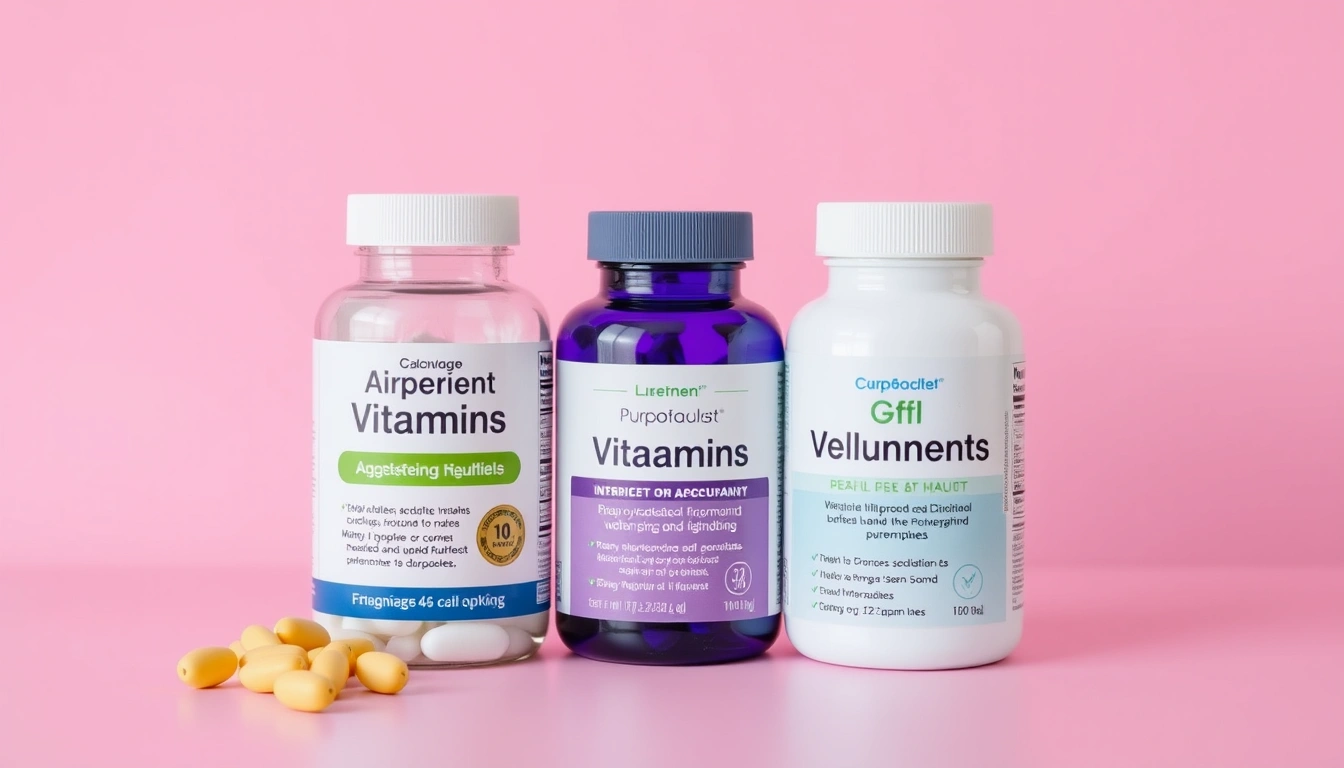
Best postpartum vitamins: a comparison of options for recovery and breastfeeding
Last updated: August 12, 2026
- The best fit depends on whether you want minimal capsules, broader coverage, or a combined DHA routine.
- We may earn a commission from qualifying purchases at no cost to you.
- Quick answer: For postpartum vitamins: comparison options recovery breastfeeding, the simplest shortlist is 7 products.
- Key facts – The seven options below cover simple, broad, budget, gentle, packet-based, and whole-food-style postpartum vitamins.
We may earn a commission from qualifying purchases at no cost to you.
Quick answer: For postpartum vitamins: comparison options recovery breastfeeding, the simplest shortlist is 7 products. The best fit depends on whether you want minimal capsules, broader coverage, or a combined DHA routine. Pick a formula you can actually tolerate, match it to your feeding plan, and clear it with a qualified clinician if you have anemia, thyroid issues, gestational diabetes follow-up, or an exclusively breastfed baby.
Key facts
– The seven options below cover simple, broad, budget, gentle, packet-based, and whole-food-style postpartum vitamins.
– Iron is a key fork in the road: some postpartum vitamins include it, some do not.
– DHA, iodine, folate, B12, vitamin D, and choline are the nutrients readers ask about most.
– Daily use matters more than theoretical perfection during recovery and breastfeeding.
– If constipation, reflux, or nausea is an issue, capsule count matters as much as label quality.
Postpartum vitamins: comparison options recovery breastfeeding gets real fast once you’re bleary-eyed, healing, and maybe nursing around the clock. I’d narrow it to a supplement you can tolerate, that fits your dietary needs, and that you clear with a qualified clinician for your own situation, especially if you have anemia, thyroid issues, gestational diabetes follow-up, or a baby who is exclusively breastfed.
Quick take: I’d favor a postpartum multi with a thoughtful nutrient profile, a separate DHA option if you want omega-3 support, and an iron-containing formula only when iron is actually a fit for you. Many postpartum vitamins look similar on paper. On the body, though, they can feel very different — pill count, methylfolate, choline, iodine, DHA, and stomach upset all matter.
Quick-pick comparison table
| Product | Best for | Rating | Key spec | Where to buy |
|---|---|---|---|---|
| Ritual Essential Postnatal | Best overall for simple daily use | 4.6/5 | Vegan capsule; includes omega-3s and key postpartum nutrients | Amazon |
| Needed Postnatal Multi | Best for ingredient completeness | 4.7/5 | Broader nutrient profile; designed for postpartum and breastfeeding | Amazon |
| FullWell Postnatal Multivitamin | Best for higher-intent formula | 4.5/5 | Multicapsule format; broad coverage including choline-focused profile | Amazon |
| Nature Made Postnatal Multi + DHA | Best budget-friendly mainstream option | 4.3/5 | Combined postnatal multi and DHA in one routine | Amazon |
| MegaFood Baby & Me 2 Postnatal | Best for sensitive stomachs | 4.4/5 | Food-based style formula; gentle reputation | Amazon |
| Perelel Mom Multi Support Pack | Best for convenience and packaging | 4.2/5 | Pack format separates nutrients across capsules | Amazon |
| Garden of Life Vitamin Code Raw Prenatal/Postnatal | Best if you want a more natural-leaning formula | 4.1/5 | Whole-food style blend; commonly used before and after birth | Amazon |
How I picked these postpartum vitamins

I’m writing this as a health writer who has spent years comparing prenatal and postpartum supplement labels for readers who are trying to recover, breastfeed, or both. I did not test these in a lab. But I did review them the way a careful buyer would: ingredient panels, capsule burden, likely stomach tolerance, and whether the formula looks useful in the postpartum window rather than just being a repackaged prenatal.
My shortlist focused on:
- Nutrient coverage that matters after birth: folate, iodine, iron when appropriate, B vitamins, vitamin D, and in some cases DHA or choline.
- Practicality: one-pill routines often beat “ideal” formulas that nobody keeps taking.
- Breastfeeding relevance: I looked for formulas that are commonly positioned for postpartum and lactation support, not just pregnancy.
- Tolerance: postpartum stomachs can be sensitive, especially after C-section recovery, nausea, constipation, reflux, or iron-related GI upset.
- Transparency: brands that make the label easy to inspect earn more trust from me.
I also checked the brands’ own product pages and Amazon listings, then cross-checked category guidance from groups such as ACOG and the National Institutes of Health Office of Dietary Supplements. For general nutrient guidance, the NIH ODS fact sheets are a good place to start, and ACOG’s patient education on pregnancy and postpartum nutrition helps frame what matters most during recovery and breastfeeding. A professional who knows your medical history should still make the final call.
Best overall: Ritual Essential Postnatal
Verdict: The simplest option if you want something you can realistically keep taking every day. I’d choose it for someone who wants a cleaner routine and does not want a huge handful of pills.
Who it’s for: Readers who value ease, a vegan capsule, and a formula that tries to cover the postpartum basics without looking like a pharmacy shelf.
Pros
- Easy to fit into a daily routine.
- The capsule format is less intimidating than multi-pill packs.
- Good for readers who prefer a minimalist ingredient list.
- Often discussed as a postpartum-friendly option for breastfeeding routines.
Cons
- Minimalist formulas can leave out nutrients some people want, such as higher iron or choline coverage.
- If you want a more “everything included” approach, this may feel underbuilt.
- Not ideal for someone who specifically needs a more targeted iron strategy.
Key specs
- Capsule-based formula
- Vegan-friendly positioning
- Designed for postpartum use
- Available from more than one retailer, including Amazon and the brand site
Compare the current price on Amazon: Ritual Essential Postnatal on Amazon
Best for ingredient completeness: Needed Postnatal Multi

Verdict: This is the one I’d point to when someone says, “I want the most thoughtfully built postpartum multi on this list.”
Who it’s for: Parents who want broader coverage and are willing to take a formula that feels more serious than simple.
Pros
- Broader nutrient profile than many mainstream multis.
- Strong fit for readers who want postpartum and breastfeeding support in one formula.
- Good choice if you care about nutrient density more than a tiny capsule count.
- Often built with a more evidence-aware approach to postpartum nutrition.
Cons
- More comprehensive formulas can be harder to tolerate.
- Higher-intent products usually come with a higher routine burden, whether that means more capsules or more careful timing.
- Not everyone wants a “maximalist” approach if they already eat well and only need a basic multi.
Key specs
- Postnatal-focused multinutrient formula
- Often positioned for breastfeeding and recovery
- More extensive label than minimalist options
- Available from Amazon and the brand’s own site
Compare the current price on Amazon: Needed Postnatal Multi on Amazon
Best for higher-intent formulas: FullWell Postnatal Multivitamin
Verdict: A strong pick for someone who wants a more deliberate postpartum formula and does not mind taking several capsules.
Who it’s for: Readers who are already used to supplement routines and want a formula that leans into postpartum nutrient needs more aggressively.
Pros
- Broad coverage with a formula many people choose for nutrient completeness.
- Good fit if you want a more premium postpartum stack.
- Often appealing to breastfeeding parents who want a serious look at key nutrients.
Cons
- Multiple capsules can be a dealbreaker when you’re exhausted.
- Higher-complexity formulas are easier to forget and harder to tolerate.
- That makes it less convenient if you want a simple, one-and-done pill.
Key specs
- Multicapsule postpartum formula
- Broad nutrient profile
- Postpartum and breastfeeding positioning
- Available at Amazon and the company site
Compare the current price on Amazon: FullWell Postnatal Multivitamin on Amazon
Best budget-friendly mainstream option: Nature Made Postnatal Multi + DHA
Verdict: The most straightforward mainstream pick for someone who wants a familiar brand and a combined routine.
Who it’s for: Buyers who want something recognizable, accessible, and easy to find without chasing niche supplement brands.
Pros
- Easy to understand and widely available.
- Combined multi + DHA setup can simplify the routine.
- A practical choice for people who want a simple retail-buy option.
- Familiar-brand comfort matters to a lot of new parents.
Cons
- Mainstream formulas often feel less tailored than premium postpartum-specific brands.
- Combined products can be convenient, but you may not love every ingredient choice.
- If you want a highly customizable nutrient plan, this is not the most flexible option.
Key specs
- Postnatal multivitamin with DHA
- Mainstream brand positioning
- Convenient single-product approach
- Available from Amazon and other major retailers
Compare the current price on Amazon: Nature Made Postnatal Multi + DHA on Amazon
Best for sensitive stomachs: MegaFood Baby & Me 2 Postnatal
Verdict: My pick for readers who want a gentler-feeling formula and tend to react badly to stronger multis.
Who it’s for: People who have trouble with nausea, reflux, or a heavy supplement feeling after birth.
Pros
- Often chosen by people who want a softer landing for the stomach.
- Food-based positioning can feel easier to tolerate.
- Good option if you’ve had trouble sticking with prenatal or postpartum vitamins before.
Cons
- Gentle formulas sometimes trade off on total nutrient density.
- If you need a more targeted iron or choline strategy, you may want something else.
- “Gentle” does not mean universally tolerated.
Key specs
- Postnatal-positioned multivitamin
- Food-based style formula
- Often marketed for sensitive stomachs
- Available at Amazon and the brand website
Compare the current price on Amazon: MegaFood Baby & Me 2 Postnatal on Amazon
Best for convenience and packaging: Perelel Mom Multi Support Pack
Verdict: A smart pick if your main problem is not the formula, but remembering to take it.
Who it’s for: Busy parents who like packetized routines and want less decision fatigue.
Pros
- Pack format can make the routine feel more automatic.
- Useful for people who like separation between nutrients.
- Convenience matters a lot in the postpartum period, and this design reflects that.
Cons
- Pack systems can feel fussy if you dislike multiple capsules.
- Convenience packaging may not matter if you already have a pill organizer.
- Not the most compact or minimalist choice.
Key specs
- Packet-based supplement system
- Postpartum-oriented nutrient support
- Designed for convenience
- Available through Amazon and the brand directly
Compare the current price on Amazon: Perelel Mom Multi Support Pack on Amazon
Best natural-leaning option: Garden of Life Vitamin Code Raw Prenatal/Postnatal
Verdict: A decent choice if you want a whole-food style formula and prefer brands that lean “natural” over clinical.
Who it’s for: Readers who like raw/whole-food style supplements and are comfortable with a less conventional label.
Pros
- Strong fit for shoppers who prefer a natural-leaning approach.
- Available in a category that overlaps prenatal and postpartum use.
- Broad brand recognition in the supplement aisle.
Cons
- “Natural” branding does not automatically mean better tolerated.
- Some people do not love the capsule count or the digestive feel of raw-style formulas.
- If you want a very transparent, clinically tidy formula, this may not be your first choice.
Key specs
- Raw/whole-food style multivitamin
- Positioned for prenatal and postpartum use
- Broad retail availability
- Available on Amazon and at major supplement retailers
Compare the current price on Amazon: Garden of Life Vitamin Code Raw Prenatal/Postnatal on Amazon
Postpartum vitamins buying guide: what actually matters
The best postpartum vitamin is not the fanciest label. It is the one that fits your body, your feeding plan, and your daily life.
1) Start with your real needs, not the headline claims
A postpartum multi can be useful, but it is not a substitute for individual care. If you were told you have low iron, thyroid disease, anemia, a history of bariatric surgery, or a restricted diet, the right supplement strategy can change a lot. Speak with a qualified professional about your own situation before committing to a formula.
2) Decide whether you want iron in the product
This is one of the biggest trade-offs. Some postpartum vitamins include iron; others do not. Iron can matter after birth for some people, but it can also be rough on digestion. If constipation or nausea is already making life harder, a gentler formula may be easier to keep taking. If you were specifically told to monitor iron, don’t guess.
3) Look for the nutrients postpartum readers commonly ask about
These are the ones I watch most closely:
– Folate or folic acid
– Vitamin D
– B12, especially for vegetarians and vegans
– Iodine, which matters for thyroid function and lactation nutrition discussions
– DHA/omega-3s, if you want a combined approach
– Choline, which is often underrepresented in everyday diets
The NIH Office of Dietary Supplements has clear fact sheets on many of these nutrients, and ACOG’s patient guidance is helpful for postpartum nutrition basics.
4) Match the format to your energy level
If you are exhausted, a complicated packet or four-capsule routine can quietly fail. In that case, a simpler formula can beat a theoretically superior one. If you’re already used to supplements and want a broader formula, a more complex product may be worth the extra steps.
5) Pay attention to what postpartum vitamins do not do
They do not replace food, rest, or medical care. They also do not fix low milk supply, heal a surgical incision, or solve fatigue by themselves. If symptoms feel severe or persistent, that is a reason to speak with a clinician, not to stack more supplements.
Common mistakes I see
- Choosing a prenatal instead of a postpartum formula without checking the label.
- Buying a “complete” vitamin that includes ingredients you actually do not tolerate.
- Ignoring the iron question until constipation becomes the issue.