Postpartum Diet for Vegans While Breastfeeding: Key Nutrients That Matter Most
Last updated: August 12, 2026
- The NIH Office of Dietary Supplements lists the breastfeeding target at 290 mcg per day .
- The NIH notes 550 mg per day for breastfeeding adults.
- According to the CDC, breastfeeding adults need about 340 to 400 extra calories per day , and that extra energy has to come from somewhere.
- Those are the ones most likely to make a vegan postpartum plan succeed or unravel.
Quick Answer: A vegan postpartum diet while breastfeeding can work well, but it usually needs B12, iodine, vitamin D, calcium, iron, choline, and DHA coverage plus enough calories every day. Unsure about supplements? Or dealing with anemia, thyroid issues, low appetite, or infant growth concerns? Talk with a qualified clinician or registered dietitian.
Key facts
– B12 is non-negotiable for vegan breastfeeding diets; use fortified foods or a supplement.
– Iodine needs careful planning because seaweed varies widely and not all salt is iodized.
– DHA often needs an algae-based source if you do not eat fish.
– Breastfeeding increases energy needs; low appetite can make a vegan plan fail.
– Fortified foods are useful, but they are not enough on their own for everyone.
You can do this safely — but not on autopilot. The real question for a vegan breastfeeding parent is which nutrients need attention so milk supply, energy, and recovery do not flatline. Start there. Then, should you have anemia, thyroid issues, a poor appetite, or a baby with growth concerns, speak with a qualified clinician or registered dietitian about your own situation.
I write on nutrition topics like this because the same pattern keeps showing up: people do not need more theory, they need a short list of nutrients that actually matter, plus the foods that cover them and the weak spots in vegan breastfeeding plans. According to the NIH Office of Dietary Supplements, that short list starts with B12, iodine, and vitamin D.
The Real Difference Between a Vegan Postpartum Diet and an Omnivore One
Protein is not the main dividing line. Pressure points are. A well-planned vegan postpartum diet can meet breastfeeding needs, but it leans harder on a few nutrients that are easy to miss if you eat on autopilot: vitamin B12, iodine, vitamin D, calcium, iron, omega-3 fats, choline, zinc, and enough calories overall.
An omnivorous pattern can miss those too; still, vegan eating more often depends on fortified foods and targeted supplements for B12, iodine, vitamin D, and DHA. That is the bit a lot of generic pieces breeze past. Beans and greens alone? Nice. Not the whole story.
For breastfeeding, the practical issue is not perfection; it is consistency. Milk production shifts your baseline needs, and a vegan diet can absolutely support that, but only if you build it with intent. Guidance from the Academy of Nutrition and Dietetics and the NIH Office of Dietary Supplements supports special attention to these nutrients in pregnancy and lactation. NIH ODS and the Academy of Nutrition and Dietetics both note that fortified foods and supplements are often part of a vegan plan.
Two real trade-offs deserve honesty:
- A vegan diet can be very nutrient-dense, but it can also become bulky. Should appetite be low after birth, high-fiber meals can crowd out calories.
- Fortified foods help, but they are not the same as eating a varied diet. Depend on one fortified cereal or one plant milk, and the whole thing gets wobbly fast.
The question for the breastfeeding vegan is not “What foods are vegan?” It is “Which mix of foods and supplements reliably covers the nutrients that are hardest to get?” CDC breastfeeding nutrition guidance
Vegan Breastfeeding Nutrition: The Nutrients I Would Put at the Top of the List
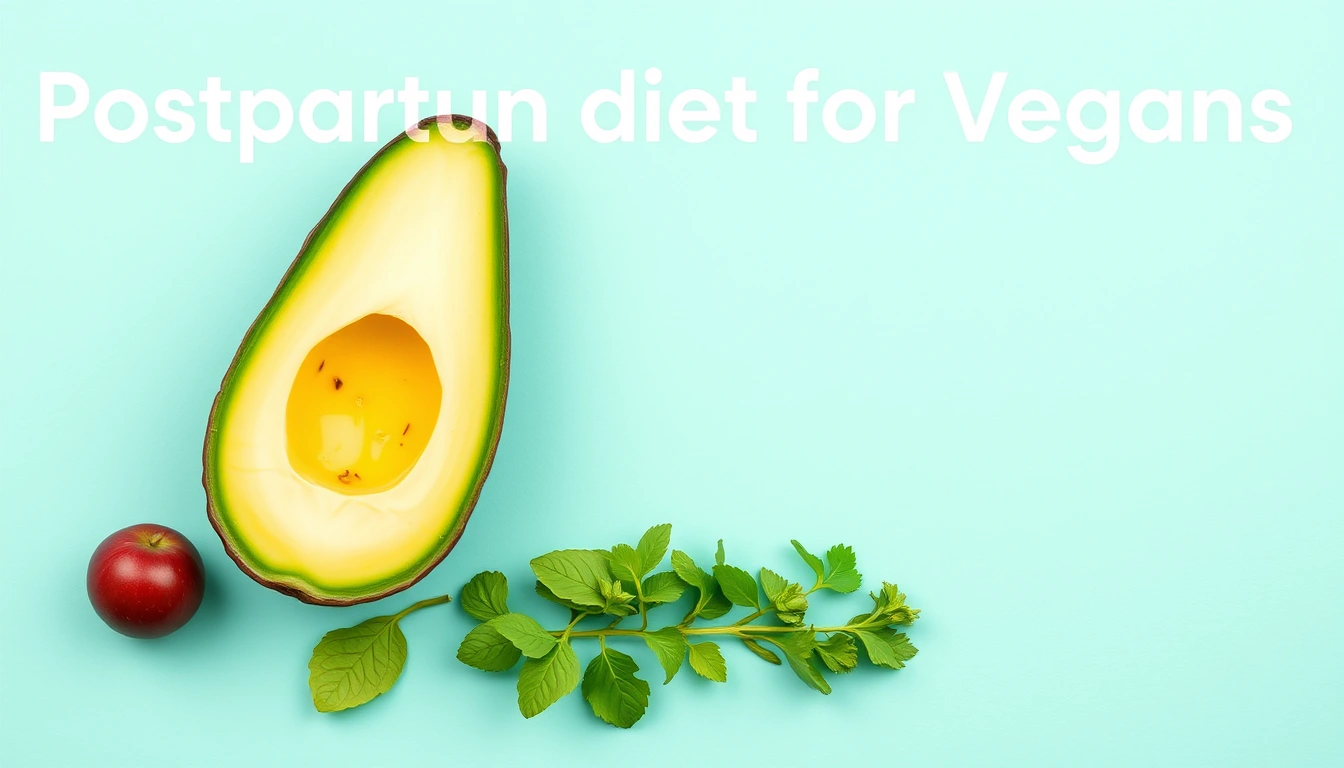
If I had to narrow this to the essentials, I would start with vitamin B12, iodine, DHA, vitamin D, iron, calcium, and enough total energy. Those are the ones most likely to make a vegan postpartum plan succeed or unravel.
Vitamin B12
No wiggle room here. Vegan diets need a dependable B12 source, either fortified foods or a supplement. B12 supports red blood cell formation and nervous system health; deficiency can become serious, and breastfeeding raises the stakes because infants depend on maternal intake. Public-health sources such as the NIH Office of Dietary Supplements are clear about that. The NIH notes that adults typically need 2.4 mcg per day, and breastfeeding needs are higher.
Iodine
This one gets skipped constantly. Breastfeeding increases iodine needs, and plant foods vary wildly depending on soil and processing. Iodized salt can help, but not all salt is iodized, and seaweed is inconsistent enough that it is not a clean strategy. I’d treat iodine as a “check carefully, don’t guess” nutrient and discuss it with a clinician if you are using supplements or seaweed. The NIH Office of Dietary Supplements lists the breastfeeding target at 290 mcg per day.
Omega-3 fats, especially DHA
A vegan diet can provide ALA from flax, chia, hemp, and walnuts, but conversion to DHA is limited in many people. For breastfeeding, this is one of the clearest places where an algae-based DHA source often enters the conversation. Research suggests DHA status matters for maternal and infant nutrition, though exact needs vary.
Vitamin D
Sun exposure, skin tone, latitude, season, and lifestyle all change vitamin D status. Fortified foods help, but many people still rely on a supplement under clinician guidance. I would not assume a plant-based diet automatically covers this. The NIH Office of Dietary Supplements lists 600 IU (15 mcg) per day for most adults.
Iron
Breastfeeding itself does not usually create the iron drain that pregnancy and blood loss do, but postpartum iron status can still be a problem, especially after a heavy delivery or if you started pregnancy low. Vegan iron comes from legumes, tofu, tempeh, lentils, beans, pumpkin seeds, and fortified grains. Pairing iron-rich foods with vitamin C-rich foods can improve absorption. That is a food strategy, not a cure, and you should ask a clinician if fatigue or anemia signs continue.
Calcium
You need enough calcium-rich foods or fortified options. Think calcium-set tofu, fortified plant milks, fortified yogurt alternatives, and some greens. Spinach is not a great calcium source because its oxalates limit absorption; that is a common mistake. The NIH Office of Dietary Supplements lists 1,000 mg per day for most breastfeeding adults.
Choline
Often overlooked, honestly. Choline matters in infant development and maternal health, and it can be harder to hit without eggs or dairy. Soy foods, quinoa, beans, broccoli, and some supplements can help, but many vegan diets still fall short. This is worth discussing with a clinician or dietitian. The NIH notes 550 mg per day for breastfeeding adults.
Postpartum Diet for Vegans While Breastfeeding: What to Eat Every Day
The most useful postpartum vegan diet is boring in the best way: it repeats a pattern that covers your bases without turning every meal into a project.
Build each day around four anchors:
-
A protein source at every meal
Tofu, tempeh, edamame, lentils, beans, chickpeas, soy milk, soy yogurt, seitan if tolerated, and nut/seed butters all work. Protein supports recovery and keeps meals satisfying when sleep is broken. -
A fortified food at least once or twice a day
Fortified plant milk, fortified cereal, fortified nutritional yeast, or fortified yogurt alternatives can make B12, calcium, vitamin D, and sometimes iodine easier to reach. Read labels, because “plant-based” does not automatically mean fortified. -
A source of omega-3 fats daily
Ground flax, chia, hemp, walnuts, and ideally a DHA discussion with a clinician if you want a more direct source. -
Enough calories and enough fluid
Breastfeeding burns through energy. When meals are too light or too high in fiber with not enough fat, hunger and fatigue can stack up quickly.
A simple structure often works better than a perfect menu:
- Breakfast: oats made with fortified soy milk, chia, nut butter, fruit
- Lunch: lentil soup with whole-grain bread and a citrus side
- Snack: soy yogurt, trail mix, or hummus with crackers
- Dinner: tofu or tempeh bowl with rice, vegetables, and sesame or tahini
- Optional add-on: fortified cereal or a smoothie if appetite is poor
The hidden issue is postpartum appetite. Some people are ravenous. Others forget to eat until they feel shaky. For the second group, I would choose foods that are fast, soft, and calorie-dense: smoothies, soups with beans, peanut butter toast, overnight oats, wraps, and snack boxes. That little detail matters more than people think.
The Honest Side-by-Side
Here is the comparison that actually matters: a vegan postpartum diet can work very well, but it requires more deliberate nutrient planning than a casual omnivorous diet. The win is control. The risk is omission.
| Criteria | Vegan postpartum diet | Omnivore postpartum diet | Winner for breastfeeding vegan who wants reliability |
|---|---|---|---|
| Vitamin B12 coverage | Usually needs fortified foods or a supplement plan | May come from animal foods, but intake still varies | Vegan, if planned well |
| Iodine consistency | Depends heavily on iodized salt, fortified foods, or clinician-guided supplementation | Can still be inconsistent | Neither by default |
| Omega-3 DHA availability | Often needs algae-based attention | Fish can supply DHA more directly | Omnivore, for simplicity |
| Fiber load | Usually higher, which can be helpful or too filling | Often easier to keep lower if appetite is poor | Omnivore, if early postpartum appetite is low |
| Iron intake style | Plant sources need smart pairing for absorption | Heme iron is generally more easily absorbed | Omnivore, if iron deficiency is a concern |
| Calcium strategy | Relies on fortified foods and calcium-rich plant foods | Often easier from dairy foods | Omnivore, for convenience |
| Choline coverage | Can be harder to reach without eggs or dairy | Usually easier | Omnivore |
| Digestive comfort | May be great if plant foods are familiar; may be rough if fiber is high | Can be gentler for some people, but varies widely | Depends on the person |
| Planning burden | Higher | Lower on average | Omnivore, for ease |
| Ethical fit | Strong for people committed to veganism | Not aligned for strict vegans | Vegan, if ethics matter most |
The table gives the blunt answer: vegan eating wins on ethical fit and can be nutritionally sound, but it asks for more attention to B12, iodine, DHA, and fortified foods. If that sounds like a burden, it probably is. If it sounds manageable, it may be the better long-term fit. The USDA FoodData Central database can help you check nutrient values by food and brand.
Our Verdict: Which One to Choose and Why
Pick the vegan postpartum diet if you are already vegan, you can tolerate planning, and you are willing to make fortified foods and targeted nutrients part of your routine. Pick an omnivore pattern if you are exhausted, struggling to eat enough, or need the simplest route to calcium, iodine, DHA, iron, and choline while you recover. Neither makes sense if your appetite is so low, your fatigue is so deep, or your labs are so concerning that you are trying to “power through” without medical input.
My recommendation is straightforward: a vegan breastfeeding diet is a good choice when it is built around B12, iodine, DHA, vitamin D, iron, calcium, choline, and enough calories. It is not a good choice when it is mostly salad, fruit, and the hope that “plants cover everything.” The Academy of Nutrition and Dietetics and the NIH both support the idea that well-planned vegan eating can work, but planning matters.
People who do best with this pattern already know their staples: soy milk, tofu, beans, oats, nut butters, fortified cereal, chia or flax, and a few fast meals they can make half-asleep. People who struggle most are the ones who hate repetition or have a hard time eating enough volume. Fair trade-off, really.
I would also say this plainly: should you have gestational diabetes, postpartum anemia, thyroid disease, a history of low B12, or a baby with feeding or growth concerns, this is the moment to bring in a qualified professional. That is not me dodging the question. It is the honest line between general guidance and personal medical advice.
When to Reconsider This Choice Entirely
There are a few cases where I would not treat a vegan postpartum diet as the default answer, and I would ask a clinician or registered dietitian for help deciding next steps.
-
You cannot reliably take or tolerate fortified foods or supplements.
If B12 or iodine coverage is shaky, the diet becomes a risk rather than a plan. -
You are losing weight fast or cannot keep food down.
Breastfeeding plus poor intake can become a problem quickly. A more calorie-dense, less fibrous eating pattern may be easier for a stretch. -
You have known nutrient deficiencies that are not yet addressed.
This is especially true for B12, iron, vitamin D, and thyroid-related concerns. -
Your food environment is chaotic.
If you do not have access to fortified plant milks, soy foods, legumes, and a few easy staples, the plan may be too hard to execute right now.
The common thread is execution. Vegan postpartum nutrition is not fragile because plants are weak. It is fragile when real life gets messy and there is no backup plan. Ugly truth, but useful.
The Most Common Mistakes I See in Vegan Breastfeeding Diets
The biggest mistake is assuming “healthy” equals “complete.” It does not. A bowl of vegetables and grains may look right and still miss the nutrients that matter most.
Here is the short list of errors I would avoid:
- Skipping B12 because you eat “mostly whole foods.” Whole foods do not solve B12.
- Treating seaweed as a dependable iodine plan. It is too variable; ask a clinician if you plan to use it often.
- Relying on spinach for calcium or iron without considering absorption.
- Letting high-fiber meals crowd out calories. That matters a lot postpartum.
- Forgetting DHA entirely. This is one of the first places vegan plans need a second look.
- Assuming a prenatal vitamin automatically covers lactation. Check the label and confirm with a clinician.
If you want one practical rule, make it this: every day should include a B12 source, an iodine plan, a calcium source, and at least one concentrated calorie source. That is the minimum for most people, and it is easy to audit.
Common Questions About Vegan Breastfeeding Diets
A vegan breastfeeding diet can be safe, but it is not a “set it and forget it” plan. According to the CDC, breastfeeding adults need about 340 to 400 extra calories per day, and that extra energy has to come from somewhere.
Is soy okay while breastfeeding?
Yes, for most people, soy foods such as tofu, soy milk, and edamame are common staples in a vegan postpartum diet.
Do I need a supplement?
Usually yes for B12, and often for vitamin D, iodine, or DHA depending on your foods, labs, and clinician advice.
How much protein do I need?
Needs vary, but the practical goal is to include a protein food at every meal and snack when appetite is limited.
Can I rely on seaweed for iodine?
No, not as a dependable plan. Seaweed iodine content varies too much, so ask a clinician or dietitian before using it as your main source.
What if I am not losing weight but I still feel exhausted?
That can happen with iron deficiency, low B12, poor sleep, dehydration, or not enough total calories, so check in with a professional.
The Bottom Line
A vegan breastfeeding diet is a good choice if it is deliberate, supplemented wisely, and built around real meals instead of assumptions. It is not magic, and it is not risky by default. The difference is whether you cover the nutrients that matter most: B12, iodine, DHA, vitamin D, iron, calcium, choline, and enough calories.
If you want a simple test, ask yourself whether your plan includes fortified foods, a B12 source, an iodine strategy, and a backup for low-appetite days. If the answer is yes, you are probably on solid ground. If the answer is no, you need a better plan before you rely on guesswork.
Remember this: breastfeeding is demanding. A good vegan postpartum plan respects that demand and makes it easier, not harder, to feed yourself well enough to feed your baby.


Related Posts
What to Eat While Breastfeeding If Dairy-Free
Low Milk Supply Foods: What May Help and What to Skip