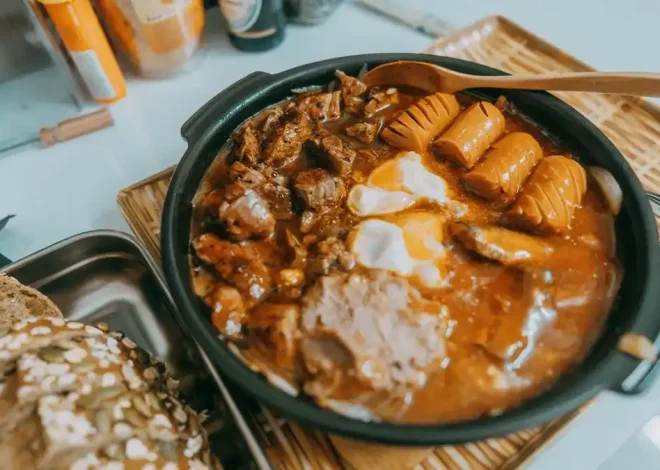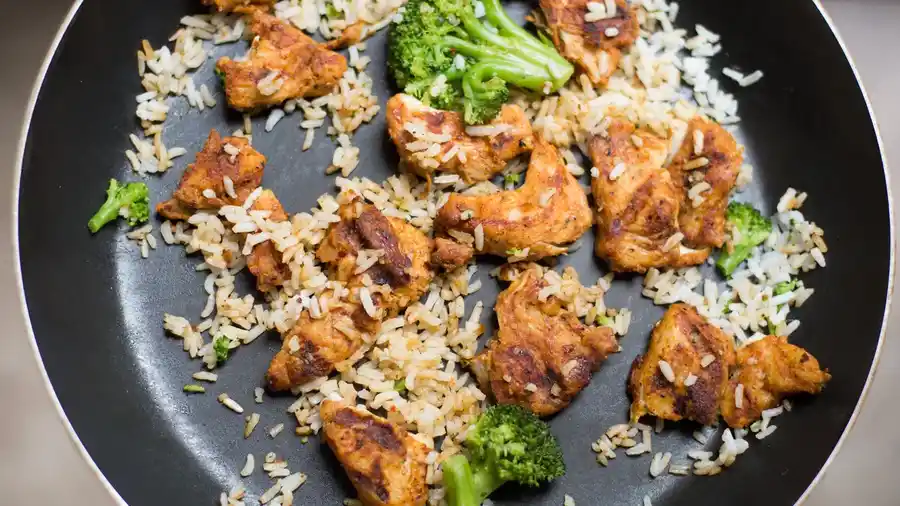
Breastfeeding Dinner Ideas for Tired Parents
Last updated: November 05, 2026
Breastfeeding dinner ideas should solve one problem first: get a real meal on the table with almost no mental load. Quick answer: 3 building blocks — a protein, a carb, and a vegetable — are usually enough for a workable evening meal, and this guide keeps the focus on breastfeeding dinner ideas for tired parents.
The sweet spot is not “perfect nutrition” or a polished recipe. It is dinner that can survive a 20-minute window, use one pan when possible, and still feel like supper rather than random snacks. That usually means a starch, a protein, and a vegetable you can cook with little attention. Think salmon with potatoes, pasta with chicken thighs, lentil soup, or a sheet pan dinner with frozen vegetables.
If you want a broader set of ideas for the whole day, the hub on breastfeeding meal ideas after birth can sit beside this page. This article stays focused on evening meals, because that is where tired parents usually run out of energy first. For related planning, see the guide to easy postpartum meals, the overview of meal prep for breastfeeding, and the practical what to eat while breastfeeding page.
What makes a good breastfeeding dinner when you are exhausted?
A good breastfeeding dinner is the one you can finish in 30 minutes or less without starting over twice. That usually means using 1 pan, 1 pot, or 1 baking tray, plus foods that cook predictably at 400°F or on a medium burner.
The mistake most tired parents make is trying to cook a “proper” dinner that requires three timed components, a garnish, and standing over the stove. That is a fast path to takeaway or toast. A better rule is: pick one protein, one carb, one vegetable, then choose the simplest cooking method available. A salmon fillet, a tray of sweet potatoes, and a bag of frozen broccoli can become dinner with very little attention. So can pasta with jarred sauce and cooked lentils stirred in for extra heft.
For breastfeeding dinner meals, I would favor foods that hold well if the baby needs you halfway through cooking. Roasted chicken thighs are forgiving. Lentils simmer quietly. Frozen vegetables do not require chopping. Pasta is often easier than rice when you are interrupted, because it does not demand the same level of watching once it is boiling.
This approach is not for the parent who wants a new recipe every night. It is for the parent who wants one dependable system that works on a Tuesday at 7:30 p.m. and again on a Friday after a cluster-feeding stretch.
The quickest formula for a full dinner in 20 to 30 minutes
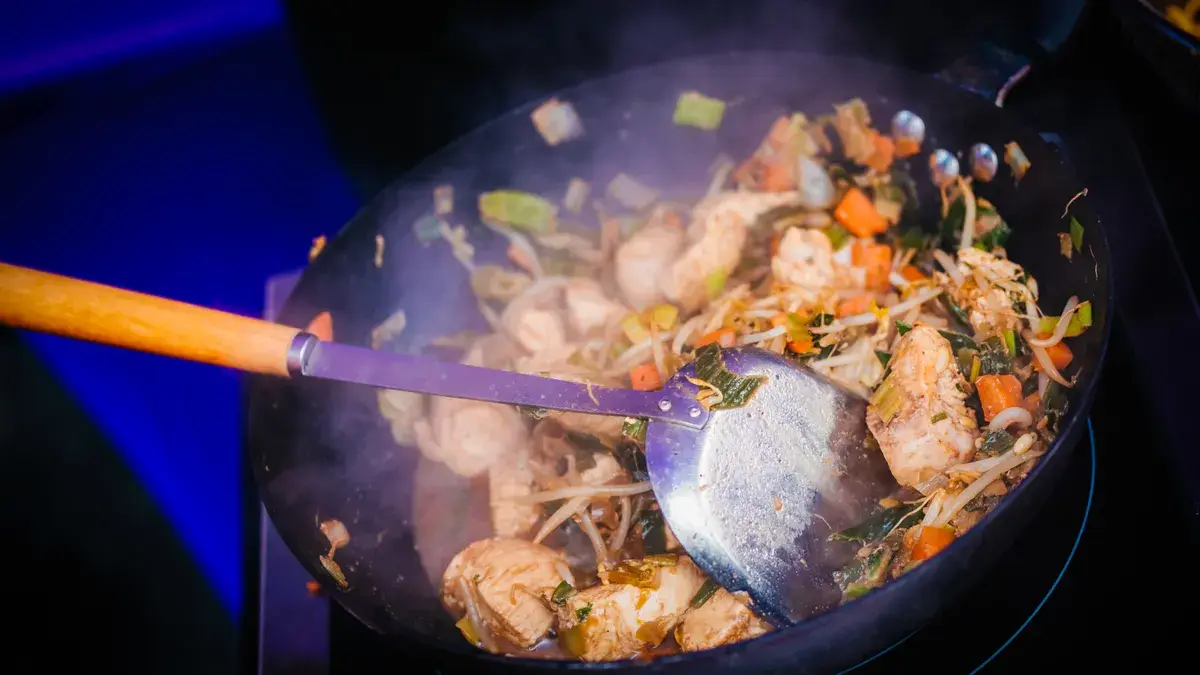
The quickest formula is: choose one fast-cooking protein, one easy vegetable, and one filling side, then let the oven or stove do the work. A 20-minute dinner is realistic when you use thin fish, pre-cut vegetables, canned lentils, or pasta.
- Pick the cooking method first. A sheet pan at 425°F, a pot of boiling water, or a skillet on medium-high are all common starting points for a fast dinner. That choice tells you what dinner can actually be tonight.
- Choose a protein that cooks in one block of time: salmon for about 12 to 15 minutes, chicken thighs for about 25 to 35 minutes, or lentils from a can or pouch if you need almost no cooking. The result is one main component you do not have to babysit.
- Add one vegetable that needs little prep. Frozen vegetables can go straight onto a tray or into a skillet. Sweet potatoes can be cubed and roasted with oil and salt. The result is a side that does not need peeling, blanching, or complicated timing.
- Pair it with an easy carb. Pasta, bread, couscous, or microwaved potatoes turn a small plate into a real dinner. The result is a meal that satisfies a hungry parent instead of a “light bite” that leaves you hungry again an hour later.
- Season simply. Use olive oil, salt, pepper, garlic powder, lemon, soy sauce, or pesto. The result is flavor without a sauce project.
- Serve immediately or keep warm for 10 minutes while you feed the baby. The goal is not restaurant timing; it is getting food on your plate while it is still hot enough to eat.
This formula works because it cuts decisions, not nutrition. A salmon tray bake with sweet potatoes and green beans is still a full meal. So is pasta with chicken thighs and spinach. So is lentil soup with bread and a side of roasted frozen vegetables. If you can choose three parts and one method, dinner usually happens.
The one thing to avoid is mixing too many “fast” ideas at once. A quick sauce, a side salad, a grain, and a protein may each seem easy, but together they create extra dishes and too many moving pieces. One pan plus one side is enough.
Breastfeeding dinner ideas that use one pan well
One-pan dinners are the easiest fit for exhausted evenings because they reduce cleanup as much as cooking time. If the oven can do most of the work, I would pick that before any recipe that needs five separate pots.
A simple salmon tray is one of the strongest options. Place salmon fillets, chopped sweet potatoes, and broccoli or asparagus on a sheet pan, drizzle with oil, salt, and pepper, then roast at 425°F until the salmon flakes and the vegetables are tender. The whole meal lives on one tray, and the salmon gives a dinner feel that is more substantial than plain eggs or soup.
Chicken thighs are another practical choice because they stay moist better than many lean cuts. Put bone-in or boneless thighs on a pan with sliced onions, carrots, or potatoes, then roast until cooked through. If you want less prep, use a bag of frozen vegetables on a second pan or add them during the last part of cooking. That keeps the work low without forcing you to stand by the stove.
A pasta skillet also counts as one-pan dinner if you keep the sauce simple. Brown chicken thighs or cook sausage if that is what you already have, then stir in cooked pasta, a handful of spinach, and jarred tomato sauce or pesto. You get a filling meal with minimal chopping. The downside is that pasta can be easy to overcook if the baby interrupts right as the water starts boiling, so this is best when you can stay close for the 8 to 12 minutes it needs.
One-pan dinners are not ideal if your oven is already full or if the baby’s evening fussiness makes it hard to remember timers. In that case, choose a pot meal instead. The point is not the pan count itself. The point is fewer decisions and fewer dishes.
Family-friendly dinners that still work for one hungry adult
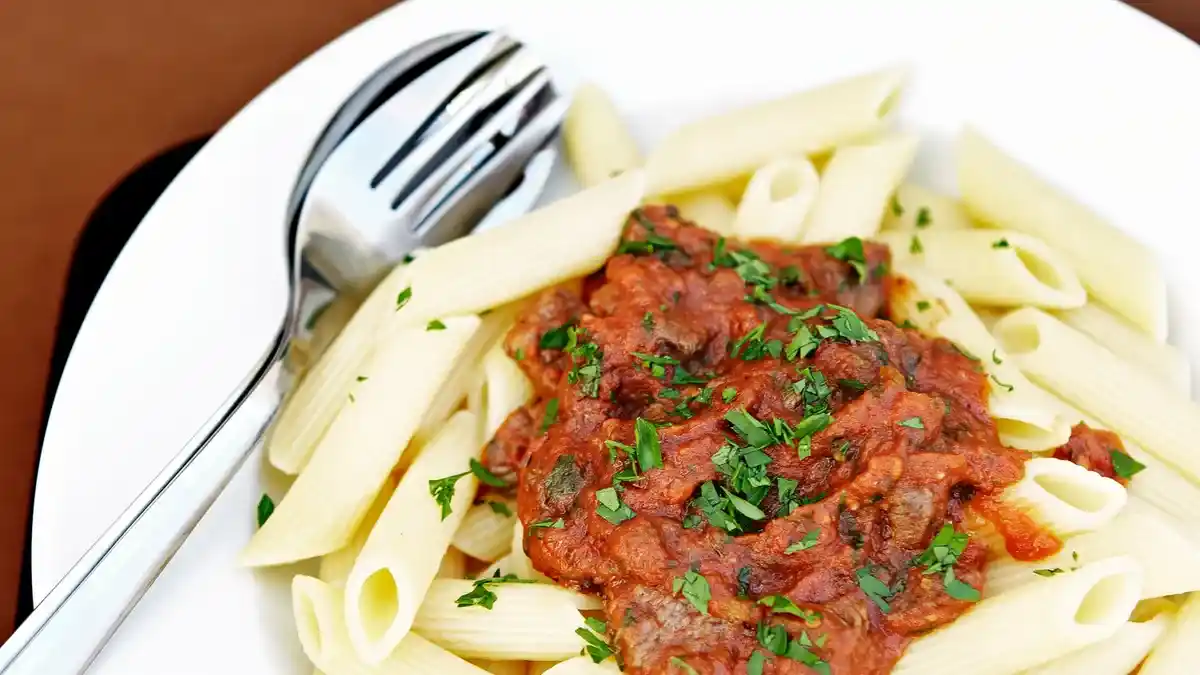
Family-friendly dinners work best when the adult plate and the rest of the family’s plate can come from the same base. That saves you from cooking a separate “parent meal,” which is where many tired evenings start to unravel.
Pasta is the easiest example. Make a large pot of pasta, then offer it with chicken thighs, lentils, or canned tuna if that is what your household already eats. Add peas, spinach, or frozen mixed vegetables directly to the pot during the last 2 minutes, and dinner gets both simpler and more complete. A jar of tomato sauce, a sprinkle of cheese, and a piece of fruit on the side can be enough.
Tacos are another family-friendly route, but only if you keep the fillings plain. A tray of seasoned chicken thighs or a pot of lentils can become tacos, rice bowls, or baked potatoes. That flexibility matters on nights when one person wants mild food and another wants more spice. If you use sweet potatoes, they can fill the same role as rice without needing a rice cooker or extra pot.
Sheet pan meals also help because they let everyone assemble their own plate. Salmon, roasted potatoes, and a vegetable tray can be served with yogurt sauce, lemon, or a simple herb dip. Adults can pile on more veg; kids can keep theirs separate. The meal looks organized without requiring separate cooking.
The drawback is that family-friendly meals can still become complicated if you try to satisfy every preference at once. One parent wants sauce, one child refuses green vegetables, and the baby is crying. That is how a simple dinner becomes a production. Better to cook a neutral base and let people add toppings than to cook three different versions of the same meal.
What to cook when even the skillet feels like too much
When even the skillet feels like too much, the right answer is a very short ingredients list, not a “nicer” recipe. Think 5 ingredients or fewer, with pantry food doing most of the work.
Lentils are the quiet hero here. A pot of lentil soup can be made with lentils, onion, garlic, broth, and carrots, then finished with bread or crackers. If you are too tired to chop, use frozen diced onions or pre-cut vegetables if they are already in the kitchen. Lentils are forgiving, cheap to cook in bulk, and hard to ruin.
Pasta also belongs in this category because it can be dinner with almost no cooking beyond boiling water. Stir in jarred sauce, olive oil, peas, and canned beans, and the meal becomes more substantial. If you have leftover chicken or salmon from the night before, it can go on top. The benefit is speed; the trade-off is that it may feel less fresh than a full roasted dinner.
A bowl meal can work too: microwaved sweet potatoes topped with yogurt, shredded chicken, or lentils; or rice with frozen vegetables and a fried egg if eggs are part of your usual meals. These are not fancy, and that is the point. They use the microwave for 5 to 8 minutes and still land as dinner.
This is not the best path if you are craving a big hot meal with lots of texture. Some nights, though, the goal is simply to eat something warm before the next feed. That is a valid dinner standard.
The mistakes that make tired-parent dinners harder
The biggest mistake is choosing recipes that need timing precision. A meal with three pans, separate sauces, and exact doneness checks is too much on a night when your attention is already split. The cost is obvious: burnt edges, cold plates, and the urge to skip dinner. The fix is to pick meals that finish in one oven cycle or one pot.
Another mistake is underestimating how much time cleanup takes. A 15-minute recipe can become a 40-minute ordeal if it creates a stack of measuring cups, cutting boards, and serving bowls. That is why sheet pan meals, pasta, and slow cooker meals matter. They save the energy that disappears after the baby finally settles.
A third mistake is making dinner too light. A small salad or a plain bowl of vegetables may sound easy, but it often leaves a breastfeeding parent hungry again too soon. Pair vegetables with salmon, chicken thighs, lentils, or pasta so the meal actually holds. You do not need a huge plate, but you do need enough food to count as supper.
The final mistake is assuming every dinner has to be cooked from scratch. That is unrealistic during the newborn stage. Frozen vegetables, jarred sauce, cooked grains, rotisserie chicken, and canned lentils are not shortcuts that “cheat.” They are tools that keep dinner possible.
If the article on what to eat while breastfeeding covers the bigger nutrition picture, this page is the narrower, practical one: how to get a usable evening meal on the table when you are tired and short on time.
Slow cooker dinners that help the evening run itself
Slow cooker dinners help most when you want to do the work earlier in the day and stop thinking about dinner by late afternoon. A 6-quart slow cooker can turn a few ingredients into a meal without requiring evening attention.
Chicken thighs are especially useful here because they hold up well over long cooking times. Put them in the slow cooker with broth, salsa, tomato sauce, or chopped onions, then serve with rice, pasta, or tortillas. The result is a meal with enough body to feel like dinner, and the appliance handles the waiting.
Lentils also work well in a slow cooker if you want soup or stew. Combine lentils with carrots, celery, onion, broth, and spices, then let it cook while you deal with the rest of the day. By evening, you have something warm and spoonable with bread on the side. That is useful when sitting down is more realistic than standing at the stove.
Slow cooker meals are not a cure-all, so if you have health-specific questions about breastfeeding or feeding after birth, consult a clinician or lactation consultant. They are best when you can remember to start them earlier and when you do not mind softer textures. They are less useful if you forget to set them up in the morning or if you want crisp vegetables and quick searing. Still, for many tired parents, a slow cooker is less about recipe glamour and more about taking one decision off the evening list.
A note on safety: if you are handling leftovers or reheating cooked food, follow basic food-safety guidance from the USDA’s Food Safety and Inspection Service and the NHS’s food safety advice. For health-specific breastfeeding questions, a lactation consultant or clinician is the right person to ask. For general guidance, see the USDA Food Safety and Inspection Service and the NHS food safety advice.
Key takeaways
- Build dinner from three parts: a protein, a carb, and a vegetable.
- Use salmon, pasta, sweet potatoes, lentils, chicken thighs, and frozen vegetables as your default tools.
- Keep prep short by choosing sheet pan meals, one-pot pastas, or slow cooker dinners.
- A dinner that is simple and filling beats a clever recipe that leaves you too tired to cook it.
- If a meal needs too many pans or exact timing, it is probably the wrong dinner for this stage.
What is an easy dinner for breastfeeding moms?
An easy dinner for breastfeeding moms is a meal that cooks in 30 minutes or less and does not require much chopping. Salmon with sweet potatoes, pasta with chicken thighs, or lentil soup with bread are all practical options. The best choice is the one that uses what is already in the kitchen and still feels like a real meal.
What can I cook at night when I am exhausted after birth?
Cook the simplest warm meal you can manage: pasta, a sheet pan dinner, or lentil soup. If you are exhausted after birth, aim for 1 pan or 1 pot and use frozen vegetables or canned lentils to save time. A microwaved sweet potato topped with chicken or beans is another low-effort option.
How do I make dinner without a lot of prep?
Make dinner without a lot of prep by choosing ingredients that need little work, like frozen vegetables, canned beans, rotisserie chicken, or pre-cut sweet potatoes. Then use one method — baking, boiling, or simmering — so the meal stays manageable even when breastfeeding interrupts the evening.
Drafted with AI; not yet reviewed by a person.