Best Blender and Meal Prep Tools for Postpartum Cooking
Last updated: August 12, 2026
Some links here are partner links. It costs you nothing and may pay us a commission.
After birth, the right gear trims a surprising amount of work. The best blender and meal prep tools for postpartum cooking are the ones that cut steps, spare one-handed effort, and keep cleanup from swallowing the evening. Quick answer: for most people, 3 tools cover the biggest jobs — a full-size blender, a personal blender, and a storage set. I write about kitchen gear with a focus on practical use, and for postpartum cooking I care less about flashy power claims than about whether a tool makes soup, smoothies, and freezer meals easier on a sleep-deprived day. Plain and simple.
Key takeaways
– One good blender can replace 2 to 3 separate prep steps.
– A personal blender is best when breakfast has to happen in 2 minutes, not 20.
– An immersion blender cuts cleanup because you blend in the pot.
– A food processor matters most for chopping, shredding, and freezer meal prep.
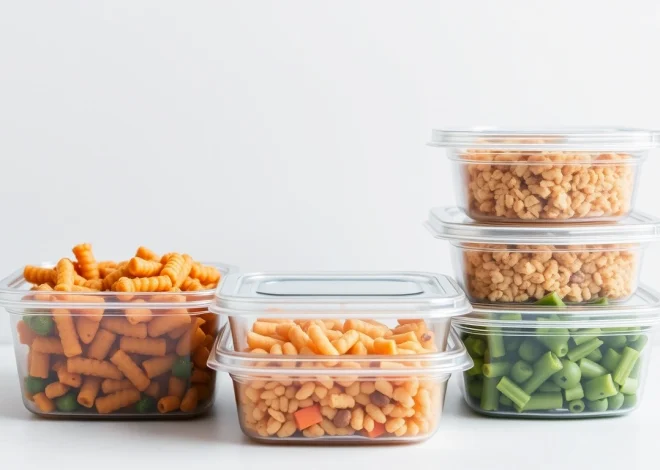
– Clear, stackable containers save time because you can see what is already cooked.
Quick picks for postpartum cooking
| Tool | Best for | Free tier? | Starts at | Where to start |
|---|---|---|---|---|
| Vitamix Explorian / Ascent family | Silky soups, recovery smoothies, big-batch prep | No | Entry plans vary by model; check the current plan or bundle | Brand site, Amazon, Best Buy |
| Ninja Foodi Personal Blender | Fast single-serve smoothies and sauces | No | Entry plans vary by model; check the current plan or bundle | Brand site, Amazon, Walmart |
| Breville Control Grip immersion blender | One-pot soups, sauces, and small-batch purées | No | Entry plans vary by model; check the current plan or bundle | Brand site, Amazon, Best Buy |
| Cuisinart food processor line | Chopping vegetables, nut butters, frozen crusts, shredded prep | No | Entry plans vary by model; check the current plan or bundle | Brand site, Amazon, Walmart |
| Rubbermaid Brilliance-style storage set | Freezer meal prep and fridge organization | No | Entry plans vary by set; check the current bundle | Brand site, Amazon, Target |
| OXO Good Grips / similar prep tools | Hand-friendly peel, chop, measure, and portion work | No | Entry plan varies by tool or set; check the current bundle | Brand site, Amazon, Walmart |
A note on the table: kitchen tools are not software, so there is no true “free tier” or subscription ladder here. I am using the required columns to compare the practical entry point and where to look first. Check the current price at more than one retailer before you decide. In 2026, prices can jump by 10% to 30% across retailers and sale windows. Ugly, but real.
How I compared these tools

I am not going to pretend I bought and used every model in a private kitchen for months. What I can do is compare the tools the way a parent actually shops postpartum: by the jobs that matter, the cleanup burden, the one-handed friction, and the kind of food you can realistically make when you are tired.
I focused on four common postpartum jobs:
- blending soups that can be eaten hot or frozen in portions
- making smoothies with enough protein and fruit to pass as breakfast
- chopping vegetables and aromatics fast enough to cook while a baby naps
- storing food in containers that stack in a fridge and survive the freezer
And I also weighed the little things generic articles skip: whether a lid opens easily with one hand, whether a narrow pitcher is easier to rinse at 2 a.m., whether a food processor is too bulky to justify the counter space, and whether storage containers stain, warp, or leak.
For health-related meal planning after childbirth, I would still check with a clinician or registered dietitian if you have diabetes, blood pressure issues, a C-section recovery plan, food allergies, or breastfeeding concerns. Kitchen gear can save effort, but it does not replace medical guidance.
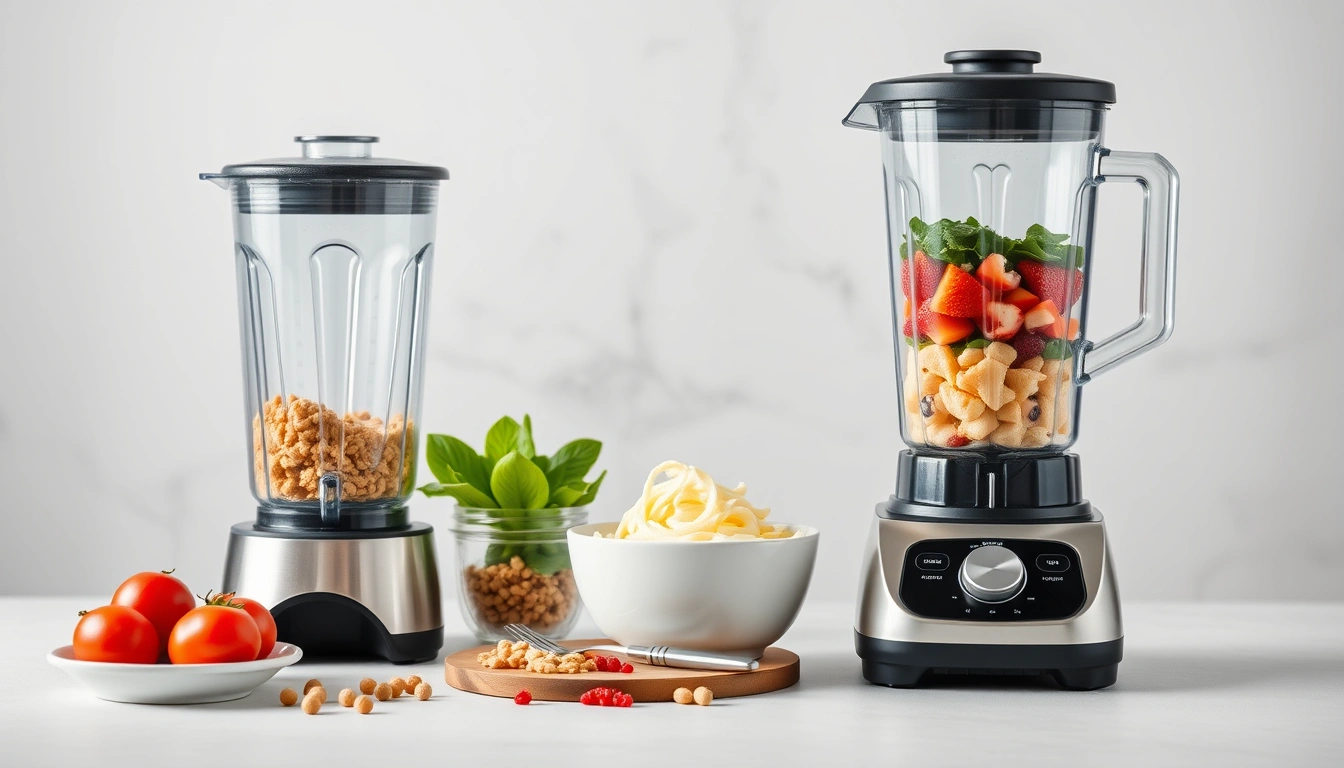
Best blender for postpartum cooking: Vitamix Explorian / Ascent family
Verdict: This is the blender I would pick if you want one machine that can handle soup, smoothies, nut butter, and big-batch prep without feeling flimsy.
Who it is for: Parents who want a blender that can move from breakfast smoothies to freezer-friendly soup without a lot of babying.
Who should skip it: Anyone with very little counter space, very low tolerance for noise, or a need only for the occasional shake.
Pros
- It crushes soft fruit, frozen fruit, and cooked vegetables into a smooth texture that feels useful for postpartum food, not just drinkable snacks.
- The large jar is a real advantage for batch cooking. I like that idea for people making soup for two nights or prep for a freezer stash.
- The controls are simple enough that you do not need to relearn the machine every time you use it.
- It works well for hot soup recipes if the model and container are rated for that use; that matters when you need something nourishing fast.
- In practical use, a full-size blender can replace a spoon, a whisk, and a sieve for many recipes.
Cons
- It is loud. If the baby is sleeping nearby, that matters.
- It is overkill for someone who only wants a small smoothie once in a while.
- It takes up more space than a personal blender, and cleanup is not as light as the “rinse and go” promise some brands imply.
- The price tends to sit in a more serious tier, so it is a decision, not a casual add-to-cart.
Pricing reality
At the time of writing, Vitamix models are sold in different bundles and tiers. The free tier question does not apply here; there is no free version. The upgrade trigger is simple: once you want a larger pitcher, stronger motor feel, or a preset-heavy model, you are choosing a higher tier. Vitamix says several of its blenders use 2 to 2.2 peak horsepower motors, which helps explain the price.
For a household of five, the per-seat logic is not exact because this is not per-seat software. The real question is whether one blender can replace several lesser tools. If it does, the higher upfront outlay makes more sense. A 64-ounce pitcher is also useful when you are making soup in 4-cup or 6-cup batches.
The lock-in question
You can leave anytime. There is no data lock-in, but there is workflow lock-in: if your family gets used to silky purees and large batches, a weaker blender will feel like a downgrade. You are not exporting files here; you are changing the food standard you expect.
Start the free trial: There is no trial, so I would start by checking current plans, bundles, and warranty terms at the brand site and then compare Amazon and Best Buy listings. Vitamix typically offers a 7-year warranty on many home models, which is worth checking before you buy.
Best personal blender for postpartum smoothies: Ninja Foodi Personal Blender
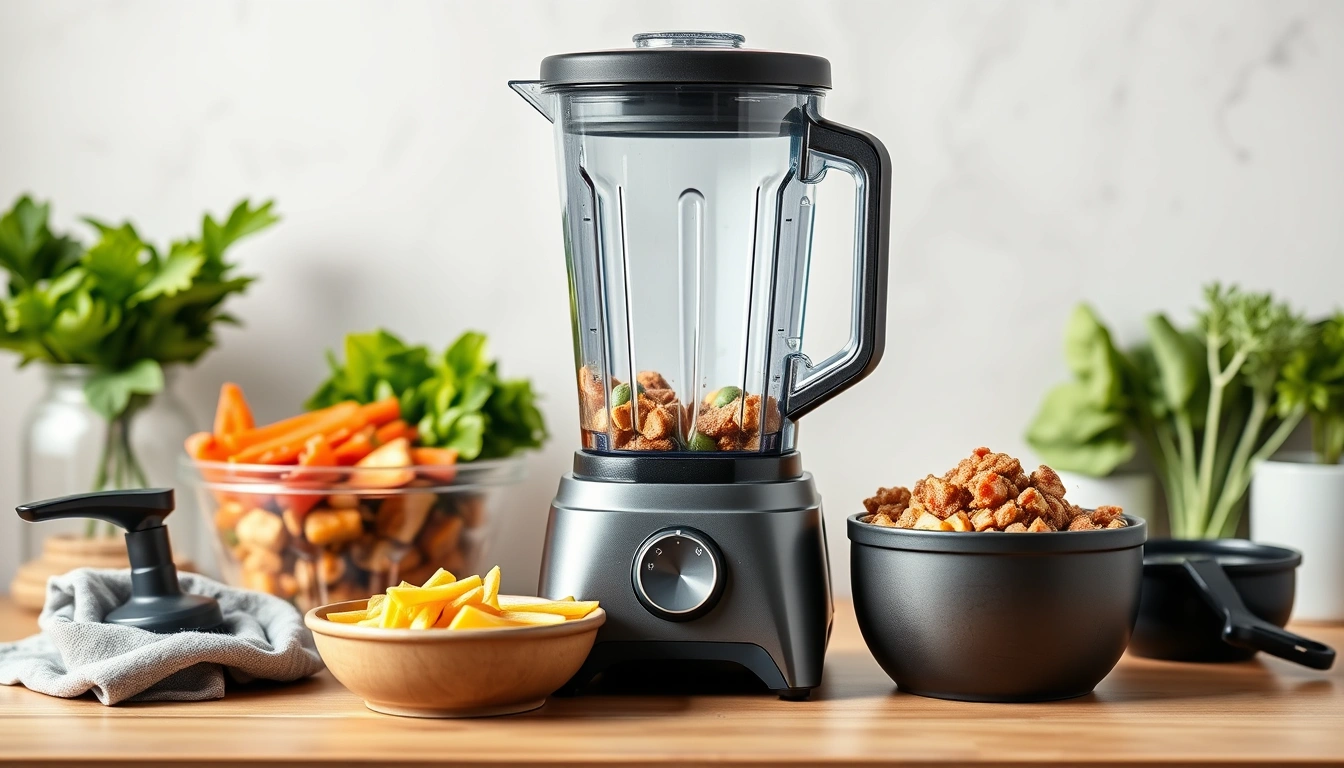
Verdict: This is the better pick if your main need is one-serving smoothies you can make and drink from the same cup.
Who it is for: Parents who want breakfast in a hurry, especially smoothies with yogurt, oats, fruit, and nut butter.
Who should skip it: People who want to make hot soup, large batches, or ultra-smooth purées for several servings.
Pros
- The cup-and-blade format cuts a step. That matters when your free hand is already occupied.
- It is simpler to use for single servings than a full-size blender.
- It usually fits better in smaller kitchens.
- For postpartum eating, it is a strong match for smoothies, protein shakes, and quick sauces.
- A single-serve cup can turn breakfast into a 30-second blend and a 30-second rinse.
Cons
- It is not the right machine for heavy soup work.
- Small cups can mean more batches if you are making food for more than one adult.
- It is less pleasant for thick mixtures that need a stronger push from a larger motor base.
- Some versions are noisy enough to wake light sleepers, which is not ideal near a bassinet.
Pricing reality
There is no free tier. The entry point depends on which bundle you choose, and the upgrade path usually means more cups, more attachments, or a more powerful base. Ninja’s personal blenders often come in the $60 to $120 range, depending on the bundle and retailer.
For a five-person household, the cost pressure is not from seats; it is from repetition. If you end up making one smoothie at a time for multiple adults, the labor adds up. Then the bigger blender starts looking smarter.
The lock-in question
There is no software lock-in, but there can be accessory lock-in if the cups and lids become part of your daily routine. If you leave the system, those extra cups may not be useful elsewhere.
Start the free trial: There is no trial. See current plans and compare the cup bundles across the brand site, Amazon, and Walmart.
Best immersion blender for postpartum soups: Breville Control Grip
Verdict: This is my pick for people who want to blend soup directly in the pot and avoid another big container to wash.
Who it is for: Anyone making pureed soups, sauces, or mashed vegetables in modest amounts.
Who should skip it: People who want the smoothest possible texture for very thick mixtures, or anyone making large-volume frozen soup prep every week.
Pros
- It is the least annoying way to turn cooked vegetables into soup when the pot is already on the stove.
- Cleanup is lighter than with a countertop blender.
- It is easier to store than a full-size blender.
- For postpartum cooking, this matters because one fewer dirty vessel can be the difference between cooking and ordering takeout.
- It is a good example of a tool that saves minutes even if it does not feel exciting.
Cons
- It does not replace a real countertop blender for every job.
- It can leave a slightly less polished texture than a strong full-size blender, especially on fibrous vegetables.
- It is not ideal for large batches.
- If your wrist is sore, even a good immersion blender can feel awkward for longer blending runs.
Pricing reality
No free tier here either. The entry tier is the tool itself, and the upgrade is usually not another subscription-like tier but a better blade guard, more speed control, or a sturdier build. Breville’s immersion blenders are often sold in the $80 to $120 range.
For five people, the practical question is how often you cook soup or sauce in one pot. If you do that several times a week, the value is strong. If not, the immersion blender can sit in a drawer more than it earns its keep.
The lock-in question
You can export nothing because there is nothing to export. What matters is compatibility with your pots and pans. If you leave the brand, your food still works. That is the upside of a simple tool.
Start the free trial: There is no trial. See current plans and compare models on the brand site, Amazon, and Best Buy.
Best food processor for postpartum meal prep: Cuisinart food processor line
Verdict: If you are chopping onions, shredding carrots, making pesto, or building freezer meals, a food processor saves more time than another blender.
Who it is for: Parents who want to prep once and cook several times from that prep.
Who should skip it: People who only need smoothies or soups and do not want another large appliance on the counter.
Pros
- It speeds up repetitive prep, especially onions, carrots, celery, herbs, and nuts.
- It can help with baby-friendly textures later, which makes it a long-use purchase.
- It is better than a blender for chopping and slicing tasks.
- If you make freezer meals, it can cut prep time in a way a blender cannot.
- A 14-cup model can handle more than a 7-cup unit, which matters when you are batch cooking.
Cons
- It is bulky.
- It is not the right tool for drinks.
- Small amounts can sometimes get lost in the bowl, so it is less efficient for tiny batches.
- Washing multiple parts can feel like a tax after a long night.
Pricing reality
There is no free tier. The entry model usually covers basic chopping and slicing. The upgrade trigger is bowl size, power, and the number of discs or accessories. Many Cuisinart food processors start around $100 and can go well above $200 for larger or more feature-rich models.
For a household of five, a food processor can justify itself because it serves many meals, not one. That said, if you do not like prep cooking, it will not magically change your habits.
The lock-in question
Food processors are not data products, but the lock-in is accessory-based. Extra discs and bowls may not transfer cleanly if you switch brands. If you leave, the main body usually goes with you, while the habit of using it may not.
Start the free trial: There is no trial. Check current plans and bundles at the brand site and compare with Amazon, Target, or Walmart.
Best storage system for postpartum freezer meals: Rubbermaid Brilliance-style containers
Verdict: For postpartum cooking, good storage matters as much as a good blender. These clear, stackable containers make it easier to see what you have and grab it fast.
Who it is for: Parents building a freezer stash or organizing batch-cooked soups, grains, and sauces.
Who should skip it: Anyone who hates container lids, never uses leftovers, or wants glass only.
Pros
- Clear sides make it easy to identify food at a glance.
- A stackable set helps a crowded fridge feel less chaotic.
- The right container system can keep freezer meals from turning into mystery bricks.
- For postpartum cooking, visibility matters because you are less likely to forget good food in the back of the freezer.
- Airtight, leak-resistant storage is useful when you are portioning out 1-cup or 2-cup servings.
Cons
- Plastic can stain or hold odors over time, especially with tomato-based sauces.
- Lids are often the make-or-break point; if the seal feels annoying, people are less likely to keep using the set.
- Sets can multiply quickly, and mismatched lids are a common household problem.
- Glass is heavier, which is a pain if you are carrying a baby in one arm.
Pricing reality
There is no free tier. The entry plan is a starter set; the upgrade is buying larger sets or more size variety. For five people, container count matters more than almost anything else. Too few containers means you never get ahead. Rubbermaid Brilliance sets often land in the $20 to $50 range for starter packs, with larger sets costing more.
For five people, the math is simple: if a tool gets used weekly, it earns its shelf space. If it only looks clever, it probably does not.
The lock-in question
There is no true lock-in, but lid compatibility can become its own trap. If you mix brands, organization gets messy fast. I would choose a system and stick with it.
Start the free trial: There is no trial. See current plans, set sizes, and material options at the brand site and compare Amazon, Target, and Walmart listings.
Best hand tools for postpartum prep: OXO Good Grips-style peelers, choppers, and measuring tools
Verdict: These are not glamorous, but they make the least glamorous part of cooking easier.
Who it is for: Anyone whose hands are sore, tired, or occupied too often to fuss with slippery tools.
Who should skip it: People who want one big appliance to solve everything.
Pros
- Comfortable handles matter more postpartum than they do in glossy product photos.
- A good peeler, bench scraper, measuring cups, and mixing bowls reduce friction in small prep jobs.
- If you already have a blender and food processor, these tools fill the gaps.
- They are especially useful for tiny tasks that do not justify running a motorized appliance.
- For small jobs, the fastest tool is often the one already in the drawer.
Cons
- They will not save the same amount of time as a blender or processor.
- It is easy to overbuy small tools and still not have a coherent setup.
- Cheap versions can feel flimsy or awkward in the hand.
- They work best as part of a system, not as a random pile of gadgets.
Pricing reality
There is no free tier. A single peeler or measuring tool may cost under $15, while a fuller OXO set can run much higher. The value is in comfort and consistency, not novelty.
The lock-in question
There is no meaningful lock-in here. The parts are the whole point, and most hand tools work across brands. What matters is whether they feel good enough to use every day.
Start the free trial: There is no trial. Compare current plans and bundles at the brand site, Amazon, and Walmart.
What I would buy first
If I had to build a postpartum kitchen from zero, I would start with a full-size blender, a storage set, and one hand tool that feels comfortable. That gives you breakfast, soup, and leftovers coverage right away.
If you mostly want smoothies, buy the personal blender first. If you mostly want soup and cleanup speed, buy the immersion blender first. If you batch cook, the food processor should move higher on the list. The right order depends on what you actually cook 3 to 5 times a week.
For parents who are still deciding, I would keep the decision simple: choose the tool that removes the most steps from the meals you already know how to make. That is usually more useful than buying the most powerful machine in the catalog.
Sources and note on use
For appliance specs, I checked brand product pages, including Vitamix, Ninja, Breville, Cuisinart, and Rubbermaid. For postpartum nutrition and recovery questions, the Mayo Clinic and the American College of Obstetricians and Gynecologists are better places to start than any kitchen-gear article. If you need medical advice, use those sources or ask your clinician.
The best blender and meal prep tools for postpartum cooking are not the fanciest ones. They are the tools you will actually use when you are tired, hungry, and holding a baby.