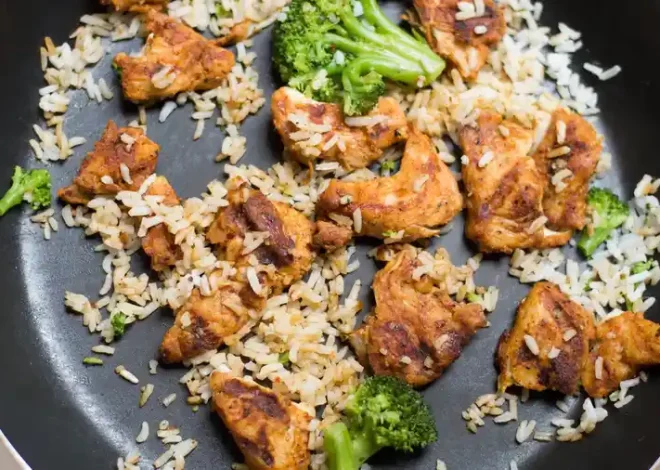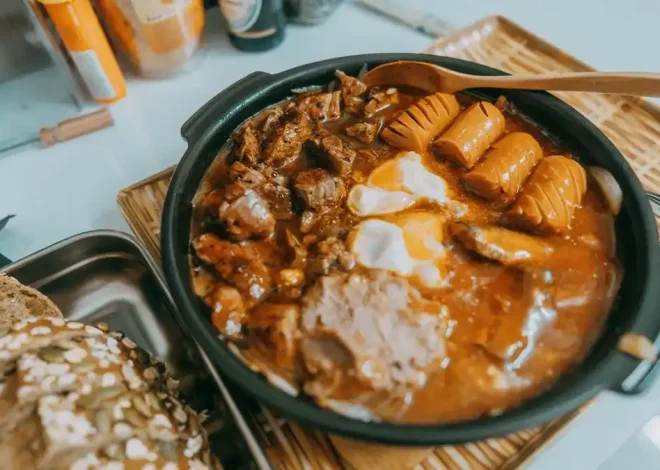
Breastfeeding breakfast ideas: high-protein morning meals for new moms
Last updated: November 05, 2026
Key Takeaways
- A quick breastfeeding breakfast can combine protein, fiber, and fat in 5 to 10 minutes.
- These breakfasts are practical, not styled for a magazine.
- Pair one protein, one easy carb, and one fat, then stop.
- Prep ahead to shift morning work to a calmer time.
Breastfeeding breakfast ideas: high-protein morning meals for new moms need to be fast, filling, and easy to eat with one hand, because a newborn does not wait for a sit-down routine. In short: a good breakfast is one that gives protein, steady carbs, and enough calories to keep you going through a morning of feeding, rocking, and trying to remember where you put the burp cloth.
What makes a good breastfeeding breakfast meal?

A good breastfeeding breakfast meal gives you protein, fiber, and fat in a form you can eat in 5 to 10 minutes. That usually means eggs, oats, Greek yogurt, chia seeds, peanut butter, or whole grain toast built into something simple enough to finish before the next diaper change.
The goal is not a perfect “healthy” breakfast. It is a breakfast that actually gets eaten. A bowl that takes 20 minutes and a stack of dishes is a bad trade when the baby has already woken twice. A 2-egg scramble with toast, overnight oats made the night before, or yogurt with peanut butter and chia seeds is much more realistic.
A useful breakfast formula is:
- Protein: eggs, Greek yogurt, nut butter, milk, cottage cheese if you use it
- Slow carbs: oats, whole grain toast, fruit, granola in a small amount
- Fat: peanut butter, seeds, egg yolks, yogurt, avocado if you want it
- Volume: berries, banana slices, or oats so the meal feels complete
That mix matters because a breakfast made of only quick carbs tends to leave you hungry again fast. For a new mom, that usually means a crash at 10 a.m. when the baby is finally asleep and you want to rest instead of hunt for food. These breakfasts are meant to be repeatable, not fancy.
One honest limitation: if you are the kind of person who hates eggs, oats, or yogurt, do not force yourself into them just because they show up in every breastfeeding breakfast list. The most useful breakfast is the one you can tolerate day after day.
7 breastfeeding breakfast ideas that actually fit a newborn schedule
These breastfeeding breakfast ideas work because they take about 2 to 15 minutes, use common ingredients, and can be eaten standing up if needed. Each one is practical, not magazine-pretty.
-
Greek yogurt bowl with chia seeds and peanut butter
Spoon Greek yogurt into a bowl, add 1 tablespoon chia seeds, and swirl in 1 tablespoon peanut butter. If you have fruit, add banana slices or berries. This is a cold breakfast that feels substantial without cooking. The thick texture makes it easier to keep on the spoon with one hand. -
2-egg toast plate
Scramble or fry 2 eggs and place them on 1 or 2 slices of whole grain toast. Add a smear of peanut butter on the side if you want more staying power. This works when you need breakfast in under 10 minutes and want something hot. -
Overnight oats with Greek yogurt
Mix oats, Greek yogurt, and chia seeds in a jar the night before. In the morning, you can eat it cold or warm it for 30 to 60 seconds in the microwave. Oats give structure, yogurt adds protein, and chia seeds help the bowl feel thick and spoonable. -
Peanut butter toast with sliced banana
Toast whole grain bread, spread peanut butter, and top with banana slices. If the toast is already out, this can be ready in about 3 minutes. It is not the highest-protein choice by itself, so pair it with milk or a yogurt cup if you need more staying power. -
Egg and cheese breakfast sandwich
Put a cooked egg and cheese between two slices of whole grain toast or a toasted English muffin. Wrap it in parchment or foil so you can hold it with one hand. This can work as a grab-and-go breakfast when you know the morning will be chaotic. -
Warm oats with peanut butter
Cook oats on the stove or in the microwave, then stir in peanut butter at the end. The peanut butter melts into the oats and makes the bowl taste richer without much effort. If you want more texture, add chia seeds or chopped nuts. -
Yogurt toast with berries
Spread a thick layer of Greek yogurt on toast and top with berries or sliced fruit. It sounds unusual, but it works as a cold, quick breakfast when you are tired of sweet bowls. Use sturdy bread so the toast does not collapse before you finish it.
A simple rule helps: if the breakfast needs a knife, a fork, and a plate the size of a serving platter, it is probably too fussy for newborn mornings.
How do I build a high-protein breakfast without cooking a full meal?
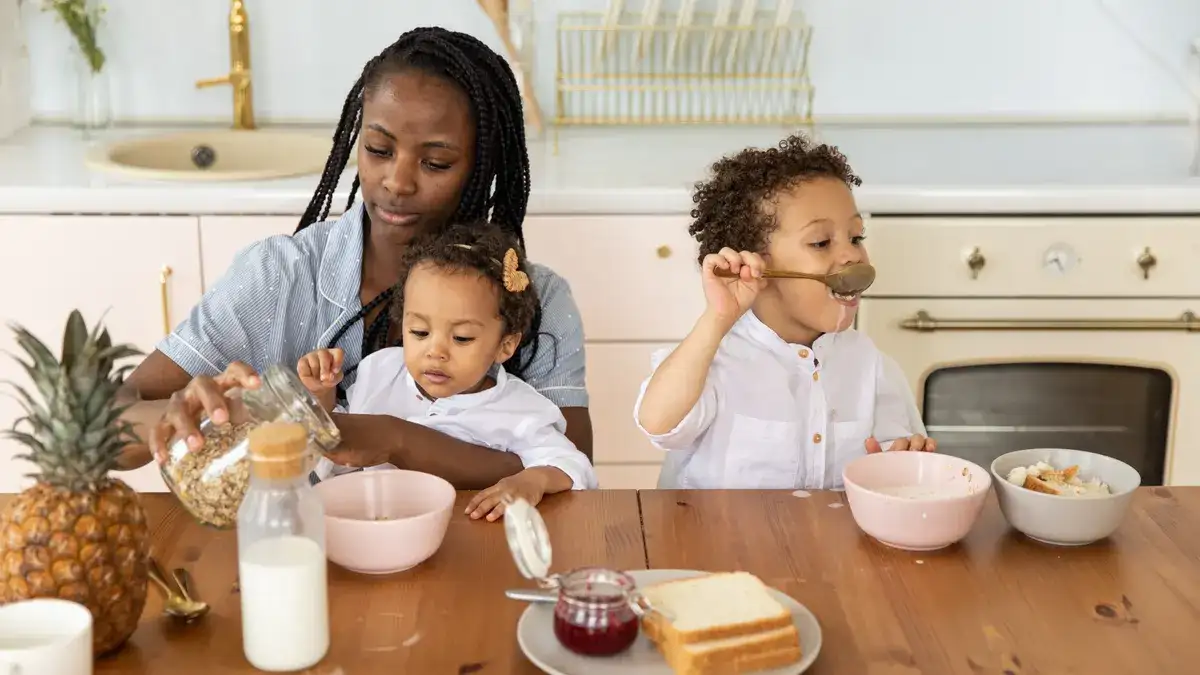
You build it by pairing one protein base with one easy carb and one fat, then stopping there. A very fast version often takes about 5 minutes and uses food you already keep on hand.
Here is the procedure I would use to build a breakfast before 8 a.m.:
- Choose one protein: 2 eggs, 1 cup Greek yogurt, or 2 tablespoons peanut butter on toast. That gives the meal its backbone.
- Add one carb: 1 slice whole grain toast, 1/2 to 1 cup oats, or a piece of fruit. This keeps the breakfast from feeling too small.
- Add one fat or texture booster: chia seeds, extra peanut butter, or egg yolk. This helps the meal feel satisfying for longer.
- Use one bowl, one mug, or one wrap if possible. Fewer dishes matter when the sink is already full.
- Eat the most delicate part first. A hot egg sandwich or warm oats stays pleasant longer if you do not let it sit for 20 minutes.
A few examples make the formula easier to use:
- Greek yogurt + chia seeds + banana
- 2 eggs + whole grain toast + peanut butter on the side
- Oats + peanut butter + berries
- Toast + peanut butter + a yogurt cup
The trick is not variety for its own sake. The trick is enough protein to avoid the “I’m starving again in 40 minutes” problem. If you are hungry soon after breakfast, the meal probably leaned too hard on toast, cereal, or fruit alone.
One trade-off: high-protein breakfasts can feel heavier than a light pastry breakfast. That is the point for many breastfeeding mornings, but if your stomach feels off in the early postpartum period, start with a smaller portion and build up.
Make-ahead breakfasts that save the 7 a.m. scramble
Make-ahead breakfasts save the morning because they move the work to a calmer hour. A 10-minute prep the night before can turn into a 2-minute breakfast when the baby wakes early or cluster-feeds at dawn.
Good make-ahead options for breastfeeding breakfast meals include:
- Overnight oats: oats, Greek yogurt, chia seeds, milk, and fruit in a jar
- Egg muffins: baked eggs in a muffin tin, stored in the fridge for several days
- Breakfast sandwiches: egg and cheese on whole grain toast or an English muffin, wrapped and chilled
- Portioned yogurt cups: Greek yogurt with separate toppings so the texture stays better
- Peanut butter toast kits: bread ready to toast, peanut butter on the counter, fruit washed and visible
The biggest advantage is not just speed. It is decision relief. When you have slept badly, a prepped breakfast prevents the “What should I eat?” spiral. That matters more than it sounds.
A realistic prep setup:
- Spend 15 to 20 minutes in the evening making 2 to 4 servings.
- Store them where you can reach them with one hand.
- Put the first serving at eye level in the fridge so you do not dig past leftovers.
- Keep a backup like oats or toast ingredients on the counter for the days when prep did not happen.
The limitation here is texture. Overnight oats can get too thick, egg muffins can dry out, and breakfast sandwiches can get soggy if wrapped badly. To avoid that, keep wet and dry parts separate when you can, and reheat only as long as needed. A 30-second microwave burst is often enough to take the chill off without ruining the food.
If you need more meal ideas across the day, the hub on breastfeeding meal ideas after birth can sit alongside this page without repeating the same breakfast focus.
What are the best one-handed breakfast ideas for new moms?
The best one-handed breakfast ideas are the ones that hold together without a fork, a knife, or a lot of balancing. Newborn life rewards food you can eat while bouncing, burping, or standing near the bassinet.
Strong one-handed options include:
- Breakfast sandwich on whole grain toast or an English muffin
- Peanut butter toast cut into strips
- Egg muffin cups eaten plain or inside toast
- Banana with peanut butter spread in a thin layer
- Thick yogurt in a travel cup with a spoon you can keep in one hand
The shape matters. A wrap, sandwich, or toast strip beats a loose bowl when your hands are full. If you are holding a baby with one arm, a bowl of runny oats is awkward. A thick slice of toast or a wrapped sandwich is manageable.
The best setup is also a little messy in a controlled way. Parchment paper around the sandwich, a napkin tucked in your waistband, or a travel mug for oats can keep breakfast from becoming a cleanup job.
A common mistake is choosing dry foods only because they are easy. Dry toast without fat or protein gets old fast and may not hold you for long. Pairing toast with peanut butter, egg, or yogurt gives you a more useful breakfast without much extra work.
Warm breakfast options that feel comforting and still move fast
Warm breakfast options are often the most satisfying when mornings feel long and broken up. A hot bowl of oats or a quick egg toast can feel more like a reset than a snack.
The best warm choices for breastfeeding breakfast meals are:
- Microwave oats with peanut butter in 2 to 3 minutes
- Scrambled eggs in a nonstick pan in about 5 minutes
- Egg toast with a runny yolk if you like it
- Breakfast sandwiches reheated from the fridge
- Baked egg cups warmed for 20 to 40 seconds
Warm food works well in cooler months, but it also helps when you feel drained and want something that feels like a real meal. Oats are especially useful because they are flexible: thin, thick, sweet, or savory. Eggs do the same job in a different way. They are fast, familiar, and easy to pair with toast.
The downside is cleanup. A pan, spatula, and plate can feel like too much if the baby needs you again in 2 minutes. That is why a microwave oatmeal bowl or pre-cooked egg muffin is worth keeping in the rotation. Warm breakfast should still be low-friction.
Grab-and-go breakfast planning for the first months
Grab-and-go breakfast planning means making the breakfast visible, reachable, and nearly finished before the baby wakes you. It is less about recipes and more about placement.
A simple setup:
- Keep oats, peanut butter, chia seeds, and bread in one visible spot.
- Put Greek yogurt where you see it first when the fridge opens.
- Pre-wash fruit and store it in a clear container.
- Make 2 breakfasts at a time when possible, not 6 you will resent later.
- Keep a spoon, napkins, and travel mug near the food, not in another drawer.
The best plan for the first months is a tiny menu, not a full menu. Pick 3 breakfasts you can repeat without thinking:
- Yogurt bowl
- Egg toast
- Oats with peanut butter
That is enough variety to keep boredom down and enough repetition to keep shopping simple. If you stock 12 ingredients for 12 different breakfasts, the whole system gets harder, not better.
A plain warning: if you are relying on one breakfast every day and it starts to feel boring, that is a sign to rotate textures, not rebuild the whole routine. Swap cold for warm, spoonable for handheld, sweet for savory. The structure can stay the same.
The breakfast mistakes that make mornings harder
The biggest breakfast mistake is making food that looks nutritious but does not hold you through the morning. A smoothie alone, plain toast alone, or a tiny bowl of cereal can leave you hungry fast.
Here is what usually goes wrong:
- Too little protein: you get hungry again quickly and start grazing by 9 a.m.
- Too many steps: the recipe is realistic on paper but not with a baby in your arms.
- Too much cleanup: dirty pans and dishes make breakfast feel like a chore.
- Too much sweetness: it can be fine once in a while, but it often does not satisfy for long.
- No backup food: one missed prep day turns into skipping breakfast entirely.
What to do instead is straightforward. Keep one or two “emergency breakfasts” on hand at all times, such as oats, peanut butter toast, or yogurt with chia seeds. Make the kitchen setup as frictionless as possible. If the bread is buried behind leftovers, move it. If the yogurt is hidden, put it in front.
The most useful breastfeeding breakfast is not the fanciest one. It is the one you can repeat on a day when the baby is fussing, the coffee is cold, and you have exactly 7 minutes before the next feed.
For general nutrition guidance, sources such as the Academy of Nutrition and Dietetics and NHS pages on breastfeeding support can help frame broader needs, but a personal clinician or dietitian is the right source if you have special dietary restrictions or health concerns.
What is the best breakfast for breastfeeding moms?
The best breakfast for breastfeeding moms is one that combines protein, slow carbs, and fat in a form you can actually eat. A bowl of Greek yogurt with chia seeds, eggs on whole grain toast, or oats with peanut butter are all strong options. A good choice is the one that keeps you full for several hours.
What breakfast foods help keep you full while breastfeeding?
Protein-rich foods help keep you full while breastfeeding, including eggs, Greek yogurt, peanut butter, cottage cheese, and milk.
Drafted with AI; not yet reviewed by a person.