
Breastfeeding Sheet Pan Meals for Easy Oven Dinners
Last updated: November 05, 2026
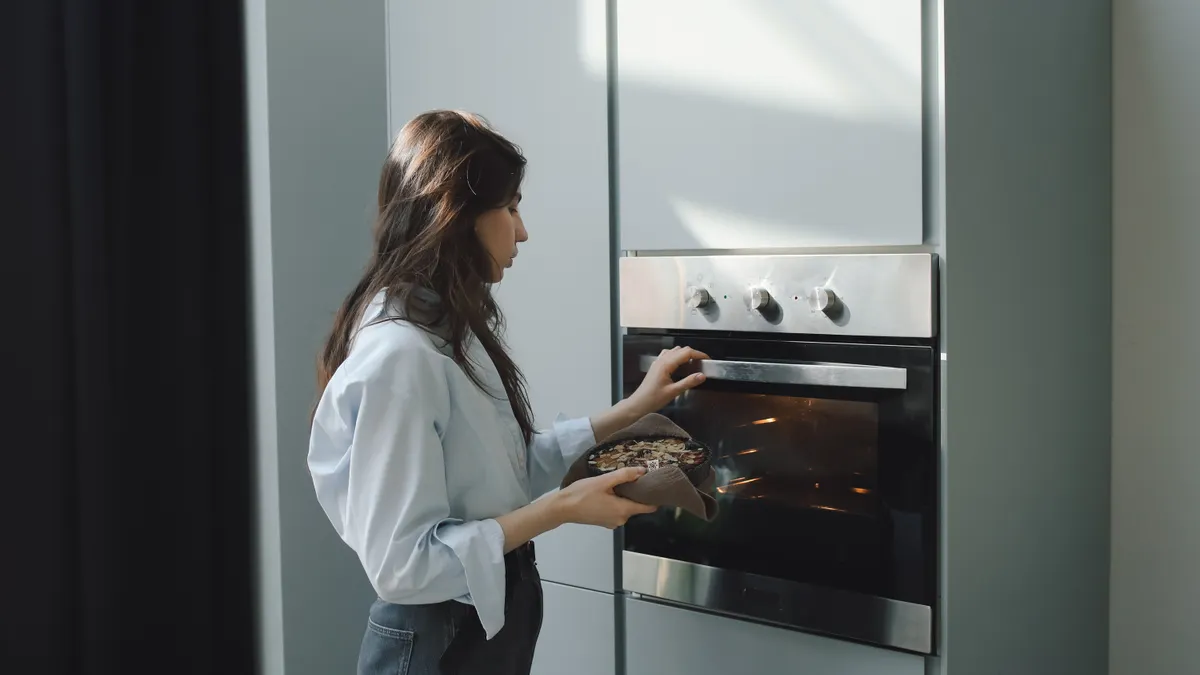
Breastfeeding sheet pan meals are an easy way to get a real dinner on the table with one pan, one oven, and very little cleanup. In short, roast a protein and vegetables together in a hot oven, use enough oil to keep everything from drying out, and choose foods that finish in about the same amount of time.
What makes breastfeeding sheet pan meals work so well for breastfeeding nights
Breastfeeding sheet pan meals work because they turn dinner into a mostly hands-off task, which matters when a baby wants attention every 10 minutes. A rimmed 18-by-13-inch half-sheet pan usually gives enough surface area for a family dinner without crowding, and crowding is the fastest way to end up with steamed vegetables instead of roasted ones.
This format is especially useful when energy is low and decision-making is harder than usual. The meal does not need a sauce on the stovetop, a second pan for vegetables, or a long list of steps. It needs a protein, 2 to 3 vegetables, oil, salt, pepper, and a hot oven. Chicken thighs, salmon fillets, broccoli, potatoes, and carrots all fit this pattern well.
The trade-off is that breastfeeding sheet pan dinners are less forgiving than a slow braise. If you cut potatoes too large and broccoli too small, they will not finish together. If you overload the pan, the vegetables soften instead of browning. That is why this style works best for readers who want an oven dinner with minimal active cooking, not for anyone looking for a deeply sauced, spoonable meal.
For postpartum cooking, the version that gives a complete plate without extra dishes is the most practical. The hub on postpartum cooking shortcuts and meal assembly fits right beside this because the goal is the same: fewer steps, less cleanup, enough food to count as dinner.
How do I make dinner in the oven with minimal effort?
You make dinner in the oven with minimal effort by putting everything on one rimmed pan, seasoning it simply, and timing the ingredients so they finish together. Breastfeeding sheet pan meals are easy to repeat even on the nights when 25 minutes feels long.
Basic sheet pan procedure
-
Heat the oven to 425°F.
That temperature is hot enough to brown vegetables without babysitting. Line a half-sheet pan with parchment if cleanup matters more than maximum browning. -
Choose one protein and two vegetables.
Chicken thighs, salmon, broccoli, potatoes, and carrots are the most reliable starting points. Keep the total amount to a single layer on the pan; if the food overlaps heavily, use two pans. -
Cut the vegetables to match cooking time.
Potatoes need to be in 1-inch pieces to roast on schedule. Carrots can be cut into 1/2-inch coins or batons. Broccoli florets should be medium, not tiny, so the edges brown before the tops burn. -
Toss vegetables with olive oil, salt, and pepper.
Use enough oil to lightly coat every piece, not drown it. The vegetables should glisten, not pool in oil. -
Start the longer-cooking ingredients first.
Roast potatoes and carrots for 15 minutes before adding salmon or broccoli, or put chicken on the pan from the start if it needs a full 20 to 30 minutes. This keeps everything finishing at roughly the same time. -
Finish with the faster items.
Add broccoli or salmon partway through and return the pan to the oven. Salmon usually cooks much faster than chicken, so it often goes in later. -
Pull the pan when the protein is done and the vegetables have browning.
The goal is tender centers, browned edges, and no gray, wet vegetables. Let the food rest for a few minutes before serving.
That process is simple, but it only works if the ingredients are sized for the same oven window. A common mistake is throwing raw potatoes, salmon, and broccoli on the same pan at once and expecting them to cooperate. They will not.
The best breastfeeding sheet pan meals to keep on repeat
Breastfeeding sheet pan meals are the ones built around chicken, salmon, broccoli, potatoes, and carrots because those foods handle roasting without turning fussy. They also taste complete with nothing more than olive oil, salt, pepper, and one extra seasoning blend if you want it.
1. Chicken thighs, potatoes, and broccoli
This is the most forgiving version for a tired night. Bone-in or boneless chicken thighs are less likely to dry out than chicken breast, and potatoes can roast beside them after a head start. Use chopped potatoes, olive oil, salt, pepper, garlic powder, and broccoli florets added near the end. The pan usually needs about 25 to 35 minutes total depending on the chicken size and whether the thighs are boneless.
Why it works: the chicken brings enough richness that the vegetables feel like a meal instead of a side dish. If the broccoli is added too early, it can overcook before the chicken is done, so keep it in the last 10 to 15 minutes.
2. Salmon, broccoli, and carrots
This is the quickest oven dinner on the list. Salmon fillets cook much faster than chicken, and broccoli plus carrots can roast beside them if the carrots are thinly sliced or started first. A common approach is 10 minutes for carrots, then add salmon and broccoli for another 10 to 12 minutes.
Why it works: salmon keeps the meal from feeling heavy, and the vegetables do not need extra equipment. A little lemon at the end helps, but it is not required.
3. Chicken, carrots, and potatoes with garlic and herbs
This is the most classic sheet pan dinner and the one that feels closest to a Sunday roast without the work. Cut carrots and potatoes into similar sizes, coat them with olive oil, and season with salt, pepper, garlic, and dried rosemary or thyme. Add chicken pieces with enough space around them so the edges can brown.
Why it works: carrots and potatoes are sturdy, so they tolerate a longer roast while the chicken cooks through. This is a good batch-cooking dinner because leftovers reheat well for lunch or a next-day plate, even if this page is not about lunch specifically.
4. Salmon with potatoes and broccoli
This version needs a little timing discipline but rewards it. Start the potatoes first because they take the longest, then add salmon and broccoli when the potatoes are halfway tender. Olive oil keeps the potatoes from drying out, and the salmon benefits from the browned edges on the vegetables.
Why it works: it gives a complete dinner with one pan and feels less repetitive than chicken every night. It is a good choice if you are comfortable watching the timing closely, because salmon overcooks faster than chicken thighs.
5. Chicken and mixed vegetables with olive oil and paprika
This is the simplest clean-out-the-fridge roast. Use chicken thighs or drumsticks with broccoli, carrots, and potatoes, or any mix that holds up in a hot oven. Paprika gives the pan a little color and flavor without requiring a sauce.
Why it works: it uses the same method every time, which makes it useful when the baby schedule destroys dinner planning. The downside is that the flavor is straightforward rather than exciting, so it suits function first.
What to do when the pan is full but the food is not done
When the pan is full, the oven cannot roast properly and the food steams instead. That is the most common mistake with breastfeeding sheet pan meals, and it costs you the browning that makes the dinner worth eating.
A crowded pan traps moisture between the pieces of food. The potatoes stay pale, the broccoli softens, and the chicken or salmon can end up cooking unevenly. The fix is simple: use two pans, or reduce the total amount of food so everything sits in a single layer with a little space around it.
Another mistake is cutting everything into the same size. That sounds organized, but it ignores how different vegetables cook. Potatoes need more time than broccoli. Carrots sit in the middle. Salmon needs less time than both. If you treat them the same, something can end up underdone or overdone.
There is also the seasoning problem. Underseasoned sheet pan food tastes flat because roasting concentrates flavor but does not create a sauce. Olive oil, salt, and pepper are the baseline. If you want more flavor, add garlic powder, paprika, Italian seasoning, or lemon at the end. That keeps the meal simple without making it bland.
Finally, do not choose lean, thin cuts if you are not watching the oven closely. Chicken breast can dry out before the vegetables finish. Salmon can overcook quickly if it starts on the pan too early. For a lower-stress dinner, chicken thighs are the safer pick.
A simple formula for batch cooking dinner without making extra work
A simple formula for batch cooking dinner is to roast one protein plus two vegetables in a large enough amount that tonight’s meal and tomorrow’s leftovers both work. The trick is to cook extra food, not extra recipes.
A half-sheet pan can handle a practical batch if it is not packed edge to edge. For example, use enough chicken thighs for dinner and a second meal, or roast extra potatoes and carrots so the leftover plate needs only reheating. This works especially well when you already have the oven on for another task, because the active work stays under 15 minutes.
The formula looks like this:
- Protein: chicken thighs or salmon
- Vegetable 1: potatoes or carrots, cut for even roasting
- Vegetable 2: broccoli or another fast-cooking vegetable
- Fat: olive oil
- Seasoning: salt, pepper, and one spice blend
The payoff is flexibility. A roasted chicken-and-vegetable pan can become a second dinner, a grain bowl, or a very simple reheated plate. The downside is that leftovers are only as good as the original roast, so if the vegetables were crowded the first night, they will not improve by sitting in the fridge.
For a breastfeeding schedule, that matters because one strong dinner can buy back time later. The point is not gourmet variety. The point is one reliable oven dinner that does not create a sink full of pans.
How to keep cleanup truly minimal
Cleanup stays minimal when you line the pan, keep the seasoning bowl small, and use parchment or foil only where it helps. One rimmed pan, one cutting board, and one knife should be enough for most dinners.
Parchment paper is the easiest cleanup tool because it catches drips and sticky bits. Foil can work too, especially with oily vegetables, but parchment usually handles roast vegetables more cleanly. If you want the best browning on potatoes, skip the liner and scrub the pan later; that is the trade-off.
A small mixing bowl is enough for tossing vegetables with olive oil and seasoning. There is no need for a large marinating dish unless you are adding a wet sauce. Keep the sauce out of the equation if minimal cleanup is the priority.
The same goes for tools. A thermometer can be helpful for chicken and salmon if you are unsure about doneness, but the meal should not depend on extra equipment. The simpler the gear, the more likely this dinner actually happens on a hard night. The USDA’s safe minimum internal temperature chart is a useful reference for chicken and fish, and the Academy of Nutrition and Dietetics is a useful professional resource for postpartum nutrition questions.
For safety, use food-handling basics: wash produce, keep raw chicken separate from ready-to-eat food, and avoid using the same utensil on raw meat and cooked vegetables unless it has been washed. That is standard kitchen practice, not special postpartum advice. If a food safety question comes up, the U.S. Department of Agriculture has clear guidance on safe cooking temperatures for meat and fish, and the Academy of Nutrition and Dietetics is a useful professional resource for postpartum nutrition questions. If you are unsure about food safety in pregnancy or postpartum, consult a qualified health professional.
What these dinners solve—and what they do not
These dinners solve the problem of getting a hot, filling meal on the table with minimal effort. They do not solve every postpartum food problem, and that is worth saying plainly.
They are a strong fit if the goal is:
- one oven dinner
- fewer dishes
- simple roasted vegetables
- protein and veg in the same pan
- a repeatable routine
They are not the best fit if the reader wants:
- a saucy meal
- a slow-cooked texture
- make-ahead freezer cooking
- a fully soft, spoonable dinner
- lunch-specific ideas
That matters because breastfeeding sheet pan meals are efficient, not magical. They still need some chopping, some timing, and a hot oven. They also need a little attention at the end so the food does not go from browned to dry. For a reader who wants a practical dinner pattern, though, this is one of the few methods that can be repeated three nights in a row without feeling like a project.
Key Takeaways
- A half-sheet pan, a 425°F oven, and a single layer of food are the backbone of this dinner style.
- Chicken thighs, salmon, broccoli, potatoes, and carrots are dependable ingredients because they roast well and taste finished with simple seasoning.
- The biggest win is timing: start the slowest vegetables first and add faster items later.
- Crowding the pan is the fastest way to ruin the texture.
- This method is best for low-effort oven dinners, not for saucy meals or make-ahead freezer prep.
What are the easiest sheet pan meals for new moms?
The easiest sheet pan meals are chicken thighs with potatoes and broccoli, or salmon with carrots and broccoli. These use familiar ingredients, need only olive oil and basic seasoning, and can usually be managed on one half-sheet pan. Chicken thighs are more forgiving than chicken breast, which makes them a safer choice when attention is split.
How do i make dinner in the oven with minimal effort?
Use one rimmed pan, one protein, and two vegetables, then roast at 425°F. Cut the vegetables so they cook on the same schedule, start the longest-cooking pieces first, and add faster items later. Parchment paper helps cut cleanup time, and simple seasoning keeps the process from becoming a second project.
What sheet pan meals are good for postpartum recovery?
Breastfeeding sheet pan meals with chicken, salmon, broccoli, potatoes, carrots, and olive oil are a practical option because they provide protein and vegetables in one pan. They are useful for busy postpartum days when the goal is a real dinner with little cleanup. For individual nutrition needs after birth, it is reasonable to ask a qualified health professional.
Drafted with AI; not yet reviewed by a person.

