Breastfeeding supplements: which ones to consider and how to choose them
Last updated: August 12, 2026
- Key facts – Breastfeeding supplements are most useful when they correct a documented nutrient gap.
- Breastfeeding and staring at a supplement aisle?
- Breastfeeding supplements that are most worth considering A clean shortlist is easier to live with.
- I’d sort breastfeeding supplements into three buckets: basic nutrients, condition-specific nutrients, and herbal lactation products.
Quick answer: For breastfeeding supplements: which ones to consider and how choose them depends on the problem, not the product. Sometimes one well-picked supplement does the job. Sometimes none is needed. Start with a clear need. Unsure? Consult a qualified health professional before you begin.
Key facts
– Breastfeeding supplements are most useful when they correct a documented nutrient gap.
– For plant-based diets, vitamin B12 is often the first nutrient to review.
– Iodine, iron, vitamin D, and DHA are common candidates, depending on diet and labs.
– Herbal lactation blends have mixed evidence and more interaction risk than plain nutrients.
– A simple label test: name the ingredient, the dose, and the reason you need it.
– If you have thyroid disease, diabetes, allergies, or take prescription medicine, get professional advice before starting anything new.
Breastfeeding and staring at a supplement aisle? Easy trap. The better move is to start with the gap you actually have, not with a cart full of “lactation” products. Breastfeeding supplements can help when your diet, labs, or clinician point to a real need, but plenty of popular picks are unnecessary. Talk with a qualified health professional about your own situation before you start anything new, especially if you take medications, have thyroid disease, diabetes, anemia, or a history of allergies. So, for breastfeeding supplements: which ones to consider and how choose them, the first question stays blunt: what problem are you trying to solve?
The first question is not “What boosts milk?” It’s “What problem am I trying to solve?”
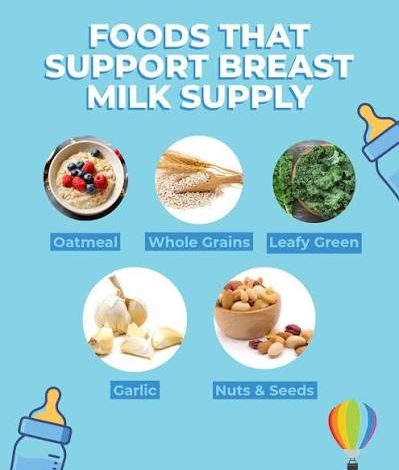
Chasing “more milk” can send people in the wrong direction fast. When the real issue is a poor latch, infrequent feeding, pain, baby weight concerns, or pumping confusion, supplements are usually not the first fix. But when the concern is your own nutrition — low iron intake, little dairy or fortified food, or a vegan pattern — then the right answer may be a plain nutrient replacement, not some herbal mix.
Here’s the simplest way I think about it:
- When your diet is varied and you had no known deficiencies in pregnancy, you may not need much beyond a basic postpartum vitamin, if anything.
- For a vegan or mostly vegan diet, vitamin B12 is often the first nutrient to check with a clinician.
- When you have little sun exposure, a clinician may discuss vitamin D for you or your baby; guidance varies by country and feeding pattern.
- If you were told you had anemia or low iron, iron is a conversation to have with a professional, not a guess.
- With a thyroid issue, a clotting disorder, diabetes, or prescription meds, herbal “milk boosters” deserve extra caution.
That last point is a big one. Popular does not mean suitable. Fenugreek, for example, shows up in many lactation blends, but it can cause GI upset and may not be safe for everyone. The same goes for any herb that looks harmless just because it is “natural.” Smoke and mirrors. Not medicine.
A good starting point is the NIH Office of Dietary Supplements fact sheets, which explain what each nutrient does, where it comes from, and what to watch for: https://ods.od.nih.gov/factsheets/list-all/
Quick check: Are you trying to fix a feeding problem, correct a nutrient gap, or do both? The answer changes what kind of supplement belongs on your list.
Breastfeeding supplements that are most worth considering
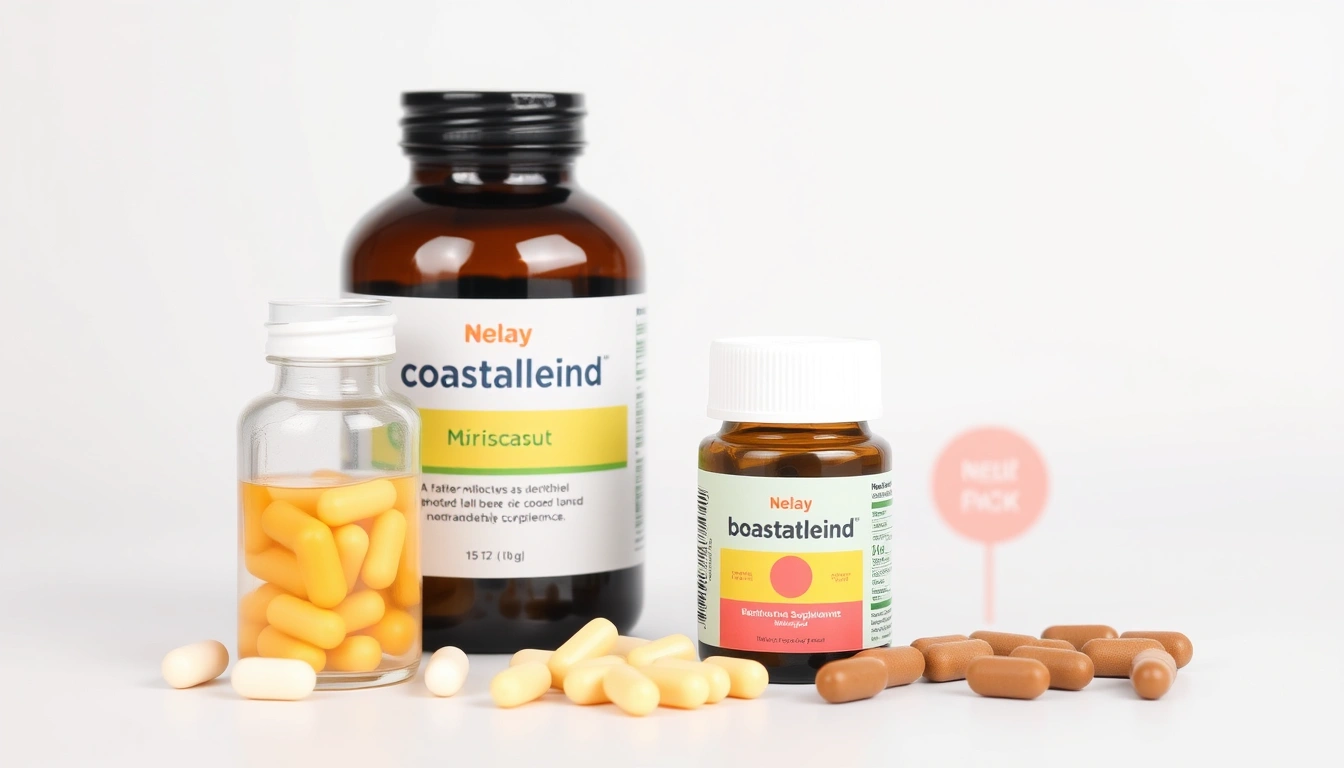
A clean shortlist is easier to live with. I’d sort breastfeeding supplements into three buckets: basic nutrients, condition-specific nutrients, and herbal lactation products. The first two usually make more sense than the third.
Basic nutrients to consider
– A postnatal or prenatal multivitamin: This can make sense when your diet is inconsistent or you want a simple safety net. It is not a magic product; it is mainly a convenience tool.
– Vitamin B12: Most relevant when you eat little or no animal food. Breastfed babies depend on your intake, so this is one of the clearest nutrients to discuss with a professional if your diet is plant-based.
– Vitamin D: This is commonly discussed because many people do not get much from food or sun. The exact choice depends on you, your baby, and local guidance.
– Iron: Worth discussing when you had blood loss, anemia, heavy periods returning, or signs that point to low iron. I would not take iron “just because” without a reason.
– Iodine: Important because your thyroid and your baby’s development depend on it, but too much is also a problem. Self-treating with seaweed products can backfire, so it is best to discuss iodine with a clinician first.
– Omega-3s, especially DHA: Some people choose these when they rarely eat fatty fish. The benefit is usually about overall maternal nutrition, and it may or may not affect milk composition.
Herbal lactation products
These are the teas, capsules, and powders sold as “milk boosters.” Common names include fenugreek, blessed thistle, fennel, moringa, alfalfa, and goat’s rue. The evidence for these is mixed and often limited. Some people report a subjective increase in pumping or feeding confidence, but that is not the same as strong proof that the herb itself raised milk supply.
When you are considering herbs, I would treat them as optional, not foundational. Check with a qualified health professional first. They also carry a higher chance of interaction, contamination, or side effects than a plain vitamin.
The National Institutes of Health’s LactMed database is one of the better places to check a specific herb or drug and breastfeeding: https://www.ncbi.nlm.nih.gov/books/NBK501922/
Quick check: Are you looking at a plain nutrient, or a “lactation blend” with five herbs and a promise? If it’s a blend, I would be more cautious.
How I would choose one product instead of five
The cleanest path is the smallest product that matches the problem. A stack of bottles is where people end up paying for duplicates, too much of one nutrient, or ingredients they never meant to take.
Start with this order:
- List the actual need. Is it diet quality, a lab result, a medication interaction, or milk-supply anxiety?
- Check your current products. Your prenatal, postnatal, protein shake, or “women’s health” gummy may already contain overlapping vitamins.
- Prefer single-ingredient products when the need is specific. If the concern is B12, buy B12, not a blend with herbs, biotin, and random extras.
- Look for third-party quality seals. USP, NSF, and Informed Choice are examples of organizations that test some supplements for quality and label accuracy. A seal is not a medical guarantee, but it is better than no quality check.
- Read the “Supplement Facts” panel closely. I would avoid products that hide amounts inside proprietary blends.
- Check the cautions section. Especially with herbs, look for warnings about thyroid disease, blood sugar, allergies, or medication interactions.
- Run it by a pharmacist, doctor, or lactation consultant if you are unsure. That is especially true if you are taking prescription medication or your baby is premature.
A simple comparison helps:
| Situation | Best Path | Why Other Options Fail |
|---|---|---|
| Plant-based diet | Check B12 first, then ask about vitamin D and iodine | Herbal lactation blends do not fix a B12 gap |
| Known anemia or heavy blood loss | Ask about iron before choosing anything else | A multivitamin may not contain enough iron, and herbs won’t replace it |
| Worried about milk supply | Address feeding mechanics first; supplements only after that | A “milk booster” cannot fix latch or milk removal problems |
| Diet feels incomplete, but no specific deficiency is known | Consider a plain postnatal or prenatal vitamin | Multiple products increase overlap and side effects |
I also prefer brands that are boring. Sounds dull, sure, but that is a compliment. Boring usually means a clear label, recognizable nutrient forms, and no dramatic claims. That calm, plain style is often the safer bet.
Quick check: When the ingredient list looks exciting, colorful, or “special,” ask yourself whether you actually need excitement or just one nutrient.
When the standard advice is wrong
When someone tells you to “just take fenugreek” or “just take a lactation cookie,” I would push back. The usual advice breaks in several common situations.
If you have a thyroid condition, then iodine, kelp, and some herbal products can complicate things. What changes: you need a clinician’s guidance, because “more” is not automatically better. What to do instead: bring the exact product label to your appointment and ask whether it fits your thyroid plan.
With diabetes or blood sugar swings, fenugreek and some other herbs may affect glucose regulation. What changes: the label is no longer just about milk supply. What to do instead: check with your clinician or pharmacist before taking a herb that can influence blood sugar.
When you have a history of allergies, asthma, or food sensitivity, then blends with many botanicals are riskier. What changes: a long ingredient list makes it harder to spot the problem if you react. What to do instead: choose single-ingredient products when possible, and avoid products with pollen-related or legume-related ingredients if those have bothered you before.
Taking prescription medicine changes the picture too. Herbs can interact in ways that are not obvious. What changes: the supplement can alter absorption, sedation, blood sugar, or clotting. What to do instead: use a pharmacist as a second set of eyes.
If your baby is premature, medically fragile, or not gaining well, then the main issue is not which supplement you take. What changes: feeding management becomes more urgent than retail nutrition. What to do instead: follow the baby’s clinician and a lactation consultant; do not use supplements as a substitute for assessment.
For vegan parents, the usual advice to “just eat more” may fall apart. What changes: B12 is often non-negotiable, and iodine and DHA may need a closer look. What to do instead: ask a professional to help you decide which nutrients your diet misses.
When you are trying to avoid unnecessary ingredients, then gummy products can be a trap. What changes: gummies often contain sugar alcohols, flavorings, and lower nutrient amounts than tablets. What to do instead: compare labels against a plain capsule or tablet.
Quick check: Do you have thyroid disease, diabetes, allergies, prescription meds, or a baby with feeding concerns? If yes, standard supplement advice is probably too generic for you.
How to read a label without getting fooled
A vague label is a red flag. I’d skip it. The label tells you whether you are buying nutrition or marketing.
First, look for the Supplement Facts panel, not just the front-of-box claims. The front may say “supports lactation,” but that does not tell you whether the product has a useful amount of anything.
Second, check whether the product uses proprietary blends. If it does, you may not know how much of each herb you are getting. That makes it harder to judge usefulness and harder to spot a problem.
Third, look for single nutrients listed clearly by name and amount. For example, a product that plainly states vitamin D, B12, or iodine is easier to assess than a mystery blend.
Fourth, watch for duplicate ingredients. A prenatal plus a postnatal plus a protein powder can quietly push you into unnecessary overlap.
Fifth, be suspicious of big promises:
– “Boosts milk fast”
– “Guaranteed supply increase”
– “Doctor-formulated” without details
– “All natural” as a stand-in for safe
Phrases like those are marketing, not evidence. None of them tells you whether the product is a fit for your body, your meds, or your feeding situation. A shiny label can be a cardboard promise.
The FDA’s page on dietary supplements is useful background for understanding how supplements are regulated: https://www.fda.gov/food/dietary-supplements
Quick check: Can you name the exact ingredient you want, the amount on the label, and why you need it? If not, the product is probably too vague.
A practical way to narrow the field, step by step
If you want a decision path that does not spiral, use this one:
- Start with your biggest concern. Is it nutrition, supply, or both?
- Check whether a food fix or feeding fix comes first. If milk transfer, latch, or pumping frequency is the issue, address that before shopping.
- Review your current vitamin or postpartum formula. Compare it with what you think you need so you avoid doubling up.
- Choose a single nutrient if the need is clear. Examples include B12 for plant-based diets or iron when a clinician has raised concern.
- Only consider an herbal blend if you understand the trade-offs. Mixed herbs are harder to evaluate and easier to misuse.
- Ask a qualified professional to sanity-check the label. A doctor, pharmacist, or registered dietitian can help you avoid overlap and interactions.
- Reassess after a short, practical trial period with professional guidance. If nothing changes or side effects show up, the product may not be helping.
My own bias is simple: I would rather see someone choose one sensible supplement than collect a drawer full of expensive hopes. That is especially true in breastfeeding, where the causes of low supply or fatigue are often broader than a missing capsule.
Quick check: Are you buying a supplement to solve a specific gap, or to cope with uncertainty? If it is the second one, pause and get advice before you spend money.
Edge cases where the usual advice breaks down
When you are in one of these situations, the normal “take a lactation supplement” advice stops being helpful.
- You are exclusively pumping. What changes: milk removal patterns matter as much as nutrition. What to do instead: focus on pump fit, schedule,