Low Milk Supply Foods: What May Help and What to Skip
Last updated: August 12, 2026
- For a quick grocery shortcut, a 2024 weekly meal plan with 5 repeatable breakfasts can be easier to follow than a long supplement routine.
- Quick Answer: Low milk supply foods: what may help what skip is mostly about support, not a fix.
- Key Facts – Low milk supply foods: what may help what skip works best as support, not treatment.
- Low milk supply can send people into a tailspin.
Quick Answer: Low milk supply foods: what may help what skip is mostly about support, not a fix. A few foods can help you eat enough and stay hydrated, but no food reliably solves low supply on its own; when supply feels low, speak with a qualified professional such as an IBCLC lactation consultant, clinician, or pediatrician.
Key Facts
– Low milk supply foods: what may help what skip works best as support, not treatment.
– Oats, protein-rich foods, healthy fats, and fluids can help you meet postpartum needs.
– Herbs and “lactation” blends have mixed evidence and can cause side effects or interactions.
– Persistent, sudden, painful, or baby-related supply concerns need professional assessment.
– Moderate caffeine is usually discussed as a sleep and infant-sensitivity issue, not a direct supply fix.
Low milk supply can send people into a tailspin. Fast. The short version is blunt: a few foods may support milk production indirectly, but no food reliably “fixes” low supply on its own. When supply feels low, I’d treat food as one small piece of the picture and speak with a qualified professional—an IBCLC lactation consultant, clinician, or pediatrician—about what may be driving it.
Low milk supply foods: what may help what skip is the topic here, and the goal is simple: separate useful food advice from internet noise. In this article, I’ll focus on what foods may help, what to skip, and what actually matters more than chasing a “milk-boosting” snack.
What Low Milk Supply Foods Can and Cannot Do
What food makes milk come in? That’s the wrong question. A better one is this: which foods are worth trying when I’m already exhausted, worried, and short on time?
My answer: foods can support the body, but they do not replace milk removal, latch support, hydration, rest, and medical evaluation when needed. This is the part generic articles often miss. They jump straight to oatmeal, cookies, and herbal powders, as if a pantry item can solve a feeding issue by itself. Studies on galactagogues and breastfeeding nutrition suggest that some foods and herbs are commonly reported as helpful, but the evidence is mixed and the effect varies a lot by person. Honestly, that’s the whole catch.
Food may help in three ways:
- It keeps you fed enough to make milk. Under-eating is a real problem in the postpartum period.
- It supports overall hydration and energy. That matters when you’re running on broken sleep.
- It may slightly help milk-making patterns indirectly. Some foods are popular because they are filling, nutrient-dense, or traditionally used during lactation.
Food will not reliably help if the main problem is something else, such as a poor latch, infrequent nursing or pumping, retained placental tissue, thyroid issues, anemia, or certain medications. If supply is truly low, I would not let a food list delay a real check-in with a professional. La Leche League International and MedlinePlus both emphasize checking feeding mechanics and medical causes before relying on food or supplements alone.
Low Milk Supply Foods That May Help
The foods most often suggested are not magic; they are practical. I would start here if you want a low-risk place to experiment.
Oats and other whole grains
Oatmeal gets attention for a reason: it is easy to eat when you are tired, cheap to prepare, and filling. That matters. A food that helps you eat enough can support milk production indirectly. Many breastfeeding parents also like oats because they are gentle on the stomach and easy to build into breakfast or snacks.
The downside is straightforward. Oats are not a guaranteed supply booster for everyone. If you dislike them, forcing yourself to eat bowls of oatmeal will not make breastfeeding easier. I would use oats as a convenience food, not a treatment, and if supply concerns continue, I’d check with a qualified professional.
Protein-rich foods
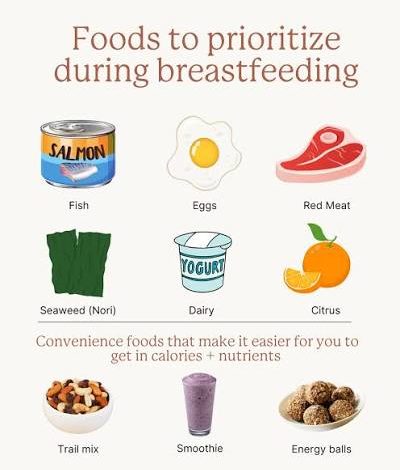
Eggs, yogurt, milk, beans, lentils, tofu, chicken, fish, and nuts help you meet the higher energy demands of breastfeeding. This is one of the most overlooked pieces of advice in low-supply conversations. When people are underfed, they often reach for “milk foods” while skimping on protein. That can leave them hungry again an hour later.
I like protein-rich foods because they are practical. They support steady meals and snacks, which is more realistic than expecting a special lactation tea to do the heavy lifting. For a simple benchmark, many lactation resources advise adding an extra snack or meal pattern rather than relying on one product.
Healthy fats
Avocado, olive oil, nut butters, seeds, and fatty fish can help round out meals. They do not directly increase milk on their own, but they can make food more satisfying and help you avoid accidental calorie shortfalls.
The trade-off is simple: fats are easy to overdo in snack foods that are mostly marketing. A “lactation bar” that is just sweetened fat and starch is not automatically better than toast with peanut butter and eggs. Snake oil in a wrapper? Pretty much.
Hydrating foods and fluids
Soup, fruit, cucumber, smoothies, milk, and plain water can help if you are simply not drinking enough. Dehydration does not always cause low supply, but thirst, dry mouth, and exhaustion can make feeding days harder.
I would not force water in huge amounts. That usually just makes you miserable and peeing constantly. Better to sip regularly and eat foods with some fluid content. The CDC also notes that thirst is a reasonable cue during breastfeeding, which supports a steady-sipping approach.
Foods with a traditional lactation reputation
Fenugreek, fennel, flax, brewer’s yeast, moringa, sesame, and barley are often mentioned in breastfeeding circles. Research and professional guidance suggest some of these may help some people, but the evidence is inconsistent and the response is individual. Herbs also carry real downsides: stomach upset, allergy risk, blood sugar effects, and medication interactions.
My take is cautious: if you want to try a traditionally used food, do it only after checking with a qualified professional, especially if you have diabetes, thyroid disease, asthma, a food allergy, or take regular medicines. The NIH Office of Dietary Supplements advises reviewing herb-supplement risks and interactions before using them.
Low Milk Supply Foods to Skip or Be Careful With
This is where a lot of generic advice goes wrong. It tells you what to eat, but not what may get in the way.
Highly restrictive diets
A very low-calorie diet, skipping meals, or cutting out whole food groups without a reason can backfire. Breastfeeding takes energy. If you are not eating enough, your body may not have the resources you need.
This is not a moral point. It is a practical one. A parent who forgets lunch until 4 p.m. needs an easier meal plan, not more guilt.
Too much caffeine
Moderate caffeine is usually a concern more for infant sensitivity than milk production, but large amounts can make an exhausted parent feel worse, disrupt sleep, and raise stress. Sleep loss is already part of the problem for many families.
I would not treat caffeine as forbidden, but I would still ask a clinician or lactation consultant if you are unsure about your own intake. For many breastfeeding parents, a few cups are reasonable, yet the sleep cost can still matter.
Herbal blends with vague labels
“Lactation support” teas and powders can be a mixed bag. Some contain multiple herbs, sweeteners, or stimulants, and the label may not tell you much about how they interact. This is especially risky if the product combines several ingredients and you are also taking medication.
My rule is simple: vague blends are not where I would start. If you are going to try anything herbal, it should be something you can identify clearly and discuss with a professional.
Excess alcohol
Alcohol can interfere with safe feeding decisions and may make a tired parent sleepier or less alert. It also creates confusion because people sometimes assume a glass of wine will “relax the milk letdown.” That is not a reliable strategy.
If alcohol is part of your routine, this is another place to ask a clinician or lactation consultant about your specific situation.
Foods you personally cannot tolerate
If dairy, certain spices, or high-fiber foods upset your stomach, they may make postpartum eating harder. A food that leaves you bloated, nauseated, or skipping the next meal is not helping your supply.
That part is individual. There is no single banned list that fits every breastfeeding parent.
The Honest Side-by-Side
If I had to choose a practical approach, I would compare foods by usefulness, not by hype. The winners are the ones that help you eat enough, stay steady, and avoid side effects that make feeding harder; still, persistent concerns deserve a look from a qualified professional.
| Criteria | Foods that may help | Foods to skip or be careful with | Winner for this condition |
|---|---|---|---|
| Evidence quality | Mixed, mostly indirect support | Weak or inconsistent for most “boost” claims | Foods that may help |
| Ease of use | Usually simple, familiar foods | Some are hard to identify or tolerate | Foods that may help |
| Risk of side effects | Generally low for basic foods | Higher with herbs, blends, or excess caffeine/alcohol | Foods that may help |
| Help when you are under-eating | Stronger because they add calories and protein | Weaker if they replace meals or suppress appetite | Foods that may help |
| Help when sleep is poor | Can support steady eating | Can worsen things if stimulants or alcohol are involved | Foods that may help |
| Usefulness for picky eaters | Flexible, many options | Narrow if the “solution” is one specific herb or tea | Foods that may help |
| Chance of false hope | Lower if framed as support | Higher if marketed as a fix | Foods that may help |
| Need for professional review | Still worth discussing in some cases | More important for herbs, blends, and interactions | Foods to skip or be careful with |
The point of the table is not to ban half the pantry. It is to show where the real decision changes. A plain, nourishing snack can support a breastfeeding parent without much drama. A complicated supplement blend can create more risk than benefit. The Academy of Breastfeeding Medicine also cautions that galactagogues should not substitute for evaluating feeding and milk removal.
Our Verdict: Which One to Choose and Why
Choose foods that may help if you need a low-risk, realistic way to support your body while breastfeeding, especially if meals have been erratic or you are not eating enough. Choose foods to skip or be careful with if the product is a vague herbal blend, pushes caffeine or alcohol, or crowds out real meals. Neither if low supply is persistent, sudden, painful, or paired with poor weight gain, because that needs professional assessment, not pantry experimentation.
That is my straight answer.
If I were trying to make feeding life a little easier, I would build around oats, protein, healthy fats, and enough fluid to avoid getting run down. I would not put much faith in any single “lactation” product. The food approach wins because it is ordinary, safer, and more likely to help you actually eat.
The skip list matters because some products sell hope more than help. A parent already worried about supply does not need a pantry full of expensive teas, powders, and stimulant-heavy drinks. Those can distract from the real issue and sometimes make things worse.
When to Reconsider This Choice Entirely
There are a few exception scenarios where the whole “try some foods and watch” plan should move down the list.
1. Supply changed suddenly
If milk output drops fast rather than gradually, I would think beyond food. That can signal a medical or feeding issue that needs professional input.
2. Baby is not getting enough
If the baby has fewer wet diapers than expected, seems persistently unsatisfied, or is not gaining as expected, this is not a snack problem. Get qualified help promptly.
3. You have symptoms that suggest a medical cause
Thyroid problems, heavy bleeding, signs of anemia, severe fatigue, or pain with feeding are all reasons to check in with a clinician. Food may still matter, but it is not the main answer.
4. You are relying on a supplement stack
If the plan has turned into tea, capsules, powders, and restrictions with no improvement, I would stop and reassess. More ingredients are not the same as more help.
What I Would Actually Start With
If you want the simplest path, I would start with meals you can repeat: oatmeal with nut butter, eggs with toast, yogurt with fruit, rice or lentils with olive oil, soup with bread, or a smoothie that includes protein. Those foods are not glamorous, but they are workable. For a quick grocery shortcut, a 2024 weekly meal plan with 5 repeatable breakfasts can be easier to follow than a long supplement routine.
I would skip the idea that one “special” food has to save the day. That mindset usually leads to frustration. The more useful question is: Can I eat enough, often enough, with minimal effort, while I get real support for the breastfeeding issue itself?
That is where food has the best chance to help.
FAQ
Do oats really increase milk supply?
They may help some people indirectly because they are filling and easy to eat, but they are not a guaranteed fix. The evidence is limited, and results vary.
Are lactation cookies worth it?
Sometimes as a convenient snack, yes. As a supply treatment, I would be skeptical. They can also be high in sugar and not very filling.
Can fenugreek help low milk supply?
It is commonly used, and some studies suggest it may help some people, but the evidence is mixed and side effects are real. I would only consider it after speaking with a qualified professional.
Should I avoid coffee completely?
Not necessarily. Moderate caffeine is often compatible with breastfeeding, but too much can worsen your sleep and make postpartum exhaustion harder to manage.
What matters more than food if supply seems low?
Milk removal, latch, feeding frequency, hydration, rest, and checking for medical causes matter more. Food supports the process, but it usually does not drive it alone.