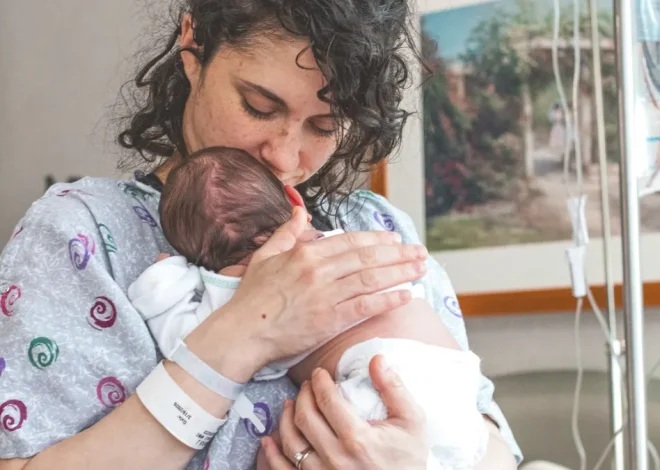
Postpartum nutrient priorities and deficiency prevention
Last updated: November 01, 2026
Quick answer: the postpartum nutrition problem is usually not “eat perfectly,” it is “protect iron, protein, iodine, vitamin D, calcium, choline, and fluids while sleep-deprived, healing, and possibly breastfeeding.” The fastest path is a food-first plan with targeted supplements only where the biggest gaps are likely, especially for iron after blood loss and iodine if you are lactating.
I write on maternal nutrition and postpartum recovery because the phase covered by Postpartum nutrient priorities and deficiency prevention — The Complete Guide is where the gap between textbook nutrition and real-life eating gets widest: blood loss, irregular meals, constipation, nausea, breastfeeding demands, and a body that is still repairing tissue all change the priorities.
What matters most in the first 6 weeks after birth?
The biggest nutritional priorities in the first 6 weeks are iron, protein, fluids, iodine, and enough total calories to stop the body from cannibalizing recovery. Those are the nutrients most likely to affect fatigue, healing, milk supply, and the risk of slipping into a deficiency that lingers for months.
The first thing I would not do is chase a perfect “postpartum reset” diet. That usually fails because the postpartum body is not a clean slate. A person may have had blood loss at delivery, a C-section incision, perineal trauma, breastfeeding hunger, constipation, and fragmented sleep. In that setting, the body needs practical nutrient density, not cleanses or restriction.
Iron comes first because postpartum blood loss can be substantial even after an uncomplicated birth. If ferritin was already low in pregnancy, the margin is even thinner. Low iron can show up as fatigue that feels like “normal new-parent exhaustion,” but the pattern is often more severe: shortness of breath with mild exertion, pounding heart, dizziness, headaches, and poor exercise tolerance. Food helps, but food alone may be too slow if anemia is already present. This is one place where postpartum care should include a clinician-guided conversation about whether iron labs or an iron supplement are warranted.
Protein is the second anchor. Wound healing, uterine involution, and milk production all consume amino acids. I would not obsess over a precise gram target, but I would make each meal contain a clear protein source: eggs, Greek yogurt, cottage cheese, tofu, beans plus grains, fish, poultry, meat, or a protein-fortified milk. A missed lunch matters less when breakfast and dinner each contain a real protein portion.
Fluids matter, but not as a magical milk-supply hack. The useful rule is simpler: drink to thirst, then add a bit more during feeds, hot weather, or if constipation is an issue. Plain water is fine. Soups, milk, herbal tea, and watery fruit count too. Dehydration can worsen headaches and constipation, and both are common after birth.
Iodine deserves more attention than it usually gets. If breastfeeding, iodine supports thyroid hormone production in both parent and baby. Many people think only about folate or iron and miss iodine entirely. The United States National Institutes of Health Office of Dietary Supplements has a clear iodine fact sheet, and the American Thyroid Association has long emphasized iodine adequacy in lactation. A standard prenatal vitamin may or may not include enough iodine, so the label matters.
The first six weeks are also the time to prevent the common “I forgot to eat until I was shaking” cycle. That pattern can push overall intake too low, especially if breastfeeding. A practical defense is an emergency shelf of nutrient-dense, one-handed foods: nuts, trail mix, cheese sticks, yogurt, hummus, fruit, roasted edamame, canned salmon, oatmeal packets, and whole-grain crackers. The point is not culinary elegance. The point is not going 8 hours on coffee and fumes.
Which postpartum nutrients are most likely to run low?

Iron, vitamin D, iodine, choline, calcium, and sometimes B12 are the nutrients I would watch most closely. That list changes slightly depending on diet pattern, blood loss, breastfeeding, and whether the person eats animal foods.
Iron is the clearest deficiency risk after childbirth. The body loses iron with blood loss, and postpartum bleeding can continue for days to weeks. If a clinician has already said anemia is present, diet alone is usually not enough to fix it quickly. Meat, poultry, fish, lentils, beans, tofu, and fortified cereals all help, but the best-food strategy is to pair plant iron with vitamin C. For example, lentils with bell peppers, beans with salsa, or tofu with broccoli and citrus. Tea and coffee with meals can reduce absorption, so spacing them away from iron-rich meals can help.
Vitamin D is another frequent gap, especially with limited sun exposure, darker skin, covered clothing, or higher body weight. The NIH Office of Dietary Supplements vitamin D fact sheet is a useful reference point. Food sources are narrow: fatty fish, fortified milk, fortified plant milks, and some cereals. Many postpartum vitamins include vitamin D, but the amount varies a lot. The common mistake is assuming “I take a multivitamin” means vitamin D is covered. It may not be.
Iodine matters more in lactation than many people realize. Seafood, dairy, eggs, and iodized salt contribute. Seaweed can contain very high iodine amounts, but that is a double-edged sword because too much iodine can also disturb thyroid function. This is not a nutrient to guess at. It is a nutrient to check on the label and discuss with a clinician if thyroid disease is part of the picture.
Choline is often overlooked, even though it is important for cell membranes and infant brain development. Eggs are one of the easiest sources. Beef, salmon, soy foods, and some legumes help too. Many prenatal vitamins do not contain much choline, which means a pill can look complete while missing a nutrient that food is better at supplying. A postpartum person eating no eggs and little meat can fall behind without noticing.
Calcium often becomes a quiet issue in breastfeeding, because the body adapts by increasing calcium mobilization from bone. That adaptation does not mean calcium stops mattering. It means intake still matters, and the diet should include dairy, calcium-set tofu, canned fish with bones, or fortified plant milks. The target is not dramatic. The problem is that many people simply stop drinking milk or eating yogurt once pregnancy nausea fades and then do not replace it with another calcium source.
Vitamin B12 becomes important for vegans and some vegetarians, and for anyone with malabsorption issues. If there are no animal products in the diet, B12 supplementation is not optional. It is necessary. The same is true if a clinician has flagged low B12 in the past.
Food first or supplements first?
Food first is the right default, but supplements are the right answer when there is blood loss, a restricted diet, breastfeeding with poor intake, or a documented deficiency. That is the clearest decision rule, and it is more useful than generic “balance” advice.
Food wins because it gives multiple nutrients at once. A plate with salmon, rice, spinach, and fruit covers protein, iron, iodine, omega-3 fats, vitamin C, and some folate in a way no single pill can replicate. Food also helps with constipation because it brings fluid, fiber, and volume. For a postpartum body that may already be sluggish from pain meds, iron tablets, and limited movement, that matters.
Supplements win when the gap is too big or too slow to close with food alone. Iron is the clearest example. If lab work shows anemia or iron deficiency, a supplement is often the faster and more reliable path. Vitamin D also commonly needs supplementation when sun exposure is low. If someone is vegan, B12 should usually come from a supplement or fortified foods, not hopes and smoothies. If someone is breastfeeding and not using iodized salt or iodine-rich foods regularly, an iodine-containing supplement may be appropriate, but the label and thyroid history matter.
The weakness of supplements is that they can create false reassurance. A prenatal or postpartum vitamin does not magically cover a diet built from coffee, crackers, and leftover fries. It also does not fix sleep deprivation. And some supplements are easy to overdo. Too much iron can worsen constipation and nausea. Too much vitamin A in retinol form is not something to casually stack across multiple products. Seaweed-based iodine products can overshoot. “More” is not the goal.
The better model is a base layer plus a correction layer. Base layer: eat protein at each meal, use iodized salt if appropriate, include calcium-rich foods, and drink enough fluids. Correction layer: add or continue targeted supplements when blood loss, labs, diet pattern, or breastfeeding make them necessary. That approach is also easier to maintain because it does not rely on a perfect routine.
If a person wants the shortest possible answer: a postpartum vitamin is a backup, not the foundation. Iron, B12, vitamin D, and iodine are the nutrients most likely to justify targeted supplementation. Protein, fluids, and fiber are the habits most likely to keep the whole plan working.
Postpartum nutrient priorities and deficiency prevention in breastfeeding

Breastfeeding changes the hierarchy because milk production adds demand, but it does not change the basic rules. The answer is still adequate calories, enough protein, and attention to iodine, vitamin D, B12 if needed, and hydration.
Breastfeeding parents often hear two bad messages at once: “You need to eat for two” and “You should bounce back quickly.” Both are misleading. The body needs more energy than during pregnancy in some cases, but it also needs enough total intake to make milk without dragging recovery down. Undereating can leave a person exhausted, hungry, and more vulnerable to nutrient depletion. Aggressive dieting is a poor fit for early lactation.
Iodine deserves special emphasis here because human milk is a major iodine source for the infant. If the postpartum parent is not getting enough iodine, the infant intake can suffer too. That is why iodized salt, dairy, eggs, seafood, and an appropriately formulated prenatal or postpartum supplement matter more during lactation than many people realize. This is one area where a “clean eating” diet that avoids salt and dairy can accidentally become a deficiency plan.
Omega-3 fats, especially DHA, also become worth thinking about, although they are not usually the top deficiency concern in the same way iron is. Fatty fish such as salmon and sardines are practical sources. If fish is rare in the diet, a DHA-containing supplement may be useful, but it is not a substitute for overall dietary quality.
A common mistake in breastfeeding is treating hunger as a nuisance instead of a signal. If meals are repeatedly delayed, the body may compensate with quick snacks that are low in protein and micronutrients. That pattern can lead to a lot of calories and very little nourishment, so it is wise to discuss persistent appetite problems or feeding-related changes with a clinician or dietitian. The fix is not willpower. It is preparation: pre-cut fruit, nut butter, yogurt, hard-boiled eggs, tuna or salmon packets, soups, and grain bowls that can be assembled one-handed.
Fiber also matters more than people expect because constipation can worsen after delivery, especially with iron supplements and reduced activity. Beans, oats, berries, chia, vegetables, and prunes are not glamorous, but they help the bowel move and make the diet more complete. If fiber is added without enough fluid, it can backfire. The pairing matters.
The lactation-specific bottom line is this: if the diet is chaotic, supplements will not rescue it. If the diet is adequate but imperfect, a good postpartum vitamin can fill some gaps. If the diet is restricted, or blood loss was significant, the plan should be more deliberate and a clinician should be involved.
The honest side-by-side: food-based recovery versus supplement-based recovery
Food-based recovery wins for most postpartum people because it solves more than one problem at once, while supplement-based recovery wins for specific deficiencies, dietary restrictions, or confirmed anemia. The right choice depends on whether the main issue is “not enough nutrient density” or “a known gap that needs correction.”
| Criteria | Food-based recovery | Supplement-based recovery | Winner for [condition] |
|---|---|---|---|
| Best use case | Daily nourishment with protein, fluids, fiber, and micronutrients from meals | Correcting a known or likely shortfall such as iron, B12, vitamin D, or iodine | Food for general recovery; supplements for a documented gap |
| Speed of fixing anemia | Slow, especially after blood loss | Faster when iron deficiency is present and a clinician approves | Supplements if labs show deficiency |
| Constipation burden | Usually lower if meals include fiber and fluids | Can worsen with iron tablets or multiple pills | Food for people already constipated |
| Breastfeeding support | Strong when meals include enough calories and iodine-rich foods | Useful for iodine, vitamin D, or DHA when intake is limited | Food first, supplements as backup |
| Diet flexibility | Works for omnivores, vegetarians, and most cultural eating patterns | Especially useful for vegan or highly restricted diets | Supplements for restrictive diets |
| Risk of overdoing one nutrient | Low when food variety is broad | Higher with stacked products, especially iron and iodine | Food |
| Cost predictability | Depends on food access and cooking time | Usually easier to plan, but pricing varies by brand and retailer | Supplements for fixed budgets, but check current price |
| Practicality in week 1 | Can be hard if appetite, sleep, or mobility are limited | Easy to take, but not enough on its own | Supplements for convenience; food for completeness |
| Long-term resilience | Builds habits that keep working after the supplement bottle is empty | Solves specific problems, not overall eating patterns | Food for the long run |
The table makes the main point plain: food and supplements are not rivals. They solve different problems. The mistake is using supplements as a substitute for meals or using meals as a substitute for treatment of a real deficiency.
Food-based recovery has the biggest upside when the person can eat regularly, has no diagnosed deficiency, and wants a plan that improves energy, digestion, and milk support together. It is wrong for someone with confirmed anemia if that person expects spinach and optimism to fix ferritin quickly. It is also wrong for a vegan parent who assumes “plant-based” automatically means B12-covered.
Supplement-based recovery has the biggest upside when a lab result or diet pattern points to a concrete gap. Iron after hemorrhage, B12 for vegans, vitamin D with limited sun, and iodine if intake is low are the clearest examples. Its weakness is that it can feel deceptively complete while leaving protein, calories, and fiber untouched. The result can be a person who is “taking everything” and still feels awful.
For most postpartum people, the winning strategy is not one or the other. It is food first, targeted supplements second, and a low threshold to ask a clinician about labs if fatigue is persistent, bleeding is heavy, or mood is sliding.
What should a postpartum plate actually look like?
A useful postpartum plate has protein, color, and a starchy base at nearly every meal. That sounds simple because it is, and simple is exactly what works when sleep is broken into 2-hour fragments.
A practical plate might look like eggs and toast with fruit; Greek yogurt with oats and nuts; rice, beans, avocado, salsa, and chicken; or salmon with potatoes and broccoli. The point is not a perfect macro ratio. The point is coverage. Protein helps stabilize hunger. Carbohydrate supports energy. Fat helps with satiety and absorption of fat-soluble nutrients. Vegetables and fruit bring vitamin C, potassium, fiber, and color. Color is not nutrition by itself, but it usually signals a broader diet.
Breakfast matters more than it often gets credit for in postpartum care, especially if the night involved multiple feeds. A breakfast that is mostly caffeine and a pastry can leave a person shaky by mid-morning. A breakfast with 20 to 30 grams of protein is not a magic number for everyone, but it is a useful practical target because it is much harder to get through the morning on bread alone. If math feels burdensome, just make breakfast include a real protein food and one fruit or vegetable.
Snacks should be treated as nutrient insurance, not junk food by default. Examples that do actual work: yogurt and berries, cheese and crackers, hummus and carrots, a banana with peanut butter, trail mix, a hard-boiled egg with fruit, or cottage cheese with tomatoes. If breastfeeding, a snack after a feed can prevent the crash that leads to overeating later.
A note on convenience foods: frozen vegetables, bagged salad, canned beans, rotisserie chicken, boxed soup with added beans, and microwaveable rice are legitimate postpartum foods. The goal is not to prove culinary virtue. The goal is to keep nutrition high enough that the body can recover. If a meal comes from a grocery-store shortcut and still provides protein, fiber, and micronutrients, it counts.
The main thing I would avoid is the “eat tiny because I’m trying to feel like myself again” mindset. That can quietly starve recovery. In postpartum life, smaller is not better. Steadier is better.
What deficiency symptoms should make you call a clinician?
Persistent fatigue, dizziness, palpitations, heavy or prolonged bleeding, numbness, weakness, severe headaches, shortness of breath, worsening constipation, or a low mood that feels out of proportion should prompt a clinician conversation. Those symptoms are not specific to one deficiency, and that is exactly why they should not be ignored.
Iron deficiency is the most obvious suspect when fatigue is paired with dizziness, pallor, pounding heart, or reduced exercise tolerance. If postpartum bleeding is still heavy or has resumed heavily after slowing, that deserves prompt medical attention. The issue may not be nutrition alone.
Low B12 can cause fatigue too, but it can also show up with tingling, numbness, balance problems, or memory changes. This is why strict vegan diets need deliberate B12 coverage rather than casual supplementation “when remembered.”
Vitamin D deficiency is harder to spot by symptoms alone. It can present as generalized aches, fatigue, and low mood, but those symptoms overlap with sleep deprivation and postpartum adjustment. That overlap is one reason bloodwork can be useful when the clinical picture is unclear.
Iodine-related thyroid disruption can also blur into the normal chaos of postpartum life. If there is a history of thyroid disease, thyroid antibodies, or symptoms that look like hyperthyroidism or hypothyroidism, this is a medical issue, not a nutrition hack. Iodine should not be added blindly in that setting.
The important part is not to self-diagnose every tired day as a deficiency, but also not to dismiss real warning signs as “just new motherhood.” A reasonable threshold is simple: if symptoms are persistent, worsening, or interfering with feeding, sleep, or safety, it is time for labs and a clinician review.
When should the whole plan change?
The whole plan should change if the person had major blood loss, has a restricted diet, is breastfeeding exclusively with poor intake, has thyroid disease, or has a diagnosed anemia or B12 deficiency. Those are the situations where a generic postpartum vitamin is not enough.
Major blood loss changes everything because it raises the odds that iron needs correction, not just attention. A C-section, a hemorrhage, or prolonged heavy lochia can push the body into a recovery deficit quickly. In that case, the question is not “Should I eat more greens?” It is “Do I need labs and iron treatment?”
Restricted diets change the plan because omission is predictable. Vegan diets need B12 and usually deserve extra attention to iron, iodine, calcium, and sometimes DHA. Very low dairy intake can affect calcium and iodine. Low fish intake can affect iodine and omega-3s. The more food groups are removed, the more deliberate the nutrient plan needs to be.
Exclusive breastfeeding with poor intake is a red flag because the parent is supplying milk while not supplying enough for themselves. That is a recipe for depletion and burnout. If meals are routinely missed, the nutrition plan has to be simplified, not made more ambitious. Ready foods, batch-cooked foods, and targeted supplements are appropriate here.
Thyroid disease is a different category. Iodine is not a casual add-on when thyroid physiology is already in the picture. This is a case for a clinician, not internet-driven supplement stacking.
A diagnosed deficiency always changes the plan because treatment becomes more specific than prevention. Prevention is about steady coverage. Treatment is about fixing a measured problem. Those are not the same task.
The Verdict: what to do first and who should skip what
Choose food-first recovery if you can eat regularly, do not have a diagnosed deficiency, and need a plan that improves iron intake, protein intake, fluids, and digestion together. Choose targeted supplements if you have heavy blood loss, a documented anemia or B12 deficiency, a vegan diet, or low vitamin D exposure. Neither if you have severe symptoms, ongoing heavy bleeding, thyroid disease, or mood changes that make functioning hard; in those cases, get clinician-guided care and labs.
That is the cleanest call. Food is the foundation because it fixes more than one problem. Supplements are the tool for known gaps. The wrong move is to treat a postpartum vitamin as if it can replace meals, blood work, or treatment for a real deficiency.
Key takeaways
- The first postpartum nutrition job is not weight loss; it is recovery.
- Iron is the most important deficiency to watch after blood loss.
- Protein, fluids, and regular meals matter more than perfect dieting.
- Iodine, vitamin D, calcium, and B12 deserve active attention, especially with breastfeeding or restricted diets.
- Supplements help most when they correct a specific gap, not when they try to do everything.
- Persistent fatigue, dizziness, heavy bleeding, numbness, or worsening mood deserves medical review, not guesswork.
For authoritative references, start with the NIH Office of Dietary Supplements fact sheets on iron, vitamin D, and iodine, plus the Academy of Nutrition and Dietetics guidance on postpartum nutrition and the American Thyroid Association’s lactation iodine information. Those sources are useful because they are specific about nutrients rather than vague about “eating well.”
Drafted with AI; not yet reviewed by a person.