
Breastfeeding hydration goals: how to know if enough is enough
Last updated: October 22, 2026
Key Takeaways
- Keep fluid intake steady through the day and add water when nursing makes you thirsty.
- A fixed gallon target usually is not necessary; aim for normal thirst, urine color, and energy.
- Thirst and urine color are the quickest home checks for breastfeeding hydration.
- Dehydration during breastfeeding often shows up as thirst plus symptoms that are hard to ignore.
Breastfeeding hydration goals are best handled as a self-check system, not a fixed number of glasses. In this guide to Breastfeeding hydration goals: how much fluid new moms need and how to tell if intake is enough, the quick answer is that many people do well by drinking to thirst, watching urine color, and paying attention to dehydration signs, because those three cues tell you far more than a generic “8 cups a day” rule.
Breastfeeding hydration goals: the practical target

The practical target is steady fluid intake across the day, plus extra water when nursing makes you thirsty. Breastfeeding changes fluid needs because milk production uses water, but the right amount still varies with body size, sweat, heat, diet, and how often you nurse. A rigid number sounds tidy; it often fails in real life, and the CDC and NHS both note that needs vary by person and situation. CDC, NHS
I’d use this rule of thumb: aim to keep urine pale straw colored most of the day, and drink sooner when thirst shows up instead of waiting until you feel dry. If your mouth feels sticky, your head feels foggy, or you go several hours without peeing, you are already behind.
A simple starting point looks like this:
- Set a baseline bottle or glass you can refill easily. Use a 20- to 32-ounce bottle, or a glass you know well, and keep it where you nurse. The result should be fewer missed drinks because the water is visible.
- Drink at every nursing session. Take a few swallows before you latch, while you nurse, or right after. This ties hydration to a habit you already repeat many times a day.
- Use urine color as your daily check. Pale yellow usually means your fluid intake is in the right range; dark yellow or amber means you likely need more.
- Add fluid when the day is hot, busy, or sweaty. A long walk, warm weather, or a short night of sleep can push needs higher even if nursing is going smoothly.
- Keep drinking after thirst fades if you started from behind. One glass may not fix a dry mouth or very dark urine. Spread fluids across the next 1 to 2 hours.
- Treat feeding sessions as hydration reminders, not deadlines. If you nurse every 2 to 3 hours, that gives you repeated chances to sip without turning water into a chore, but if you have a medical condition that affects fluids, ask a clinician for guidance.
This is the place to link up to the broader postpartum hydration and electrolyte support hub when you want the bigger picture on fluids after birth. That hub should handle the wider recovery context; this page stays focused on breastfeeding hydration and self-checks.
How much water should I drink while breastfeeding?
You usually do not need a fixed gallon target; you need enough fluid to keep thirst, urine color, and energy in a normal range. Many breastfeeding parents do well by drinking to thirst and adding a glass or bottle at each nursing session, which is more useful than chasing a preset quota that may be too low or too high for your body. The American College of Obstetricians and Gynecologists emphasizes postpartum self-care and individualized recovery, rather than one universal fluid number. (Source: ACOG)
The trouble with a strict number is that it ignores the day you spend outside in summer, the day you forget lunch, or the day your baby cluster-feeds for hours. It also ignores the opposite problem: forcing down large amounts of water when you are not thirsty can leave you bloated and uncomfortable without improving milk supply in any dramatic way.
A better plan is to anchor fluids to concrete moments:
- Before nursing: a few sips if your mouth is dry.
- During nursing: keep a bottle or cup within arm’s reach.
- After nursing: finish what is left in the glass if you started thirsty.
- Between sessions: drink with meals and snacks, not only with feeds.
If you want a plain test, ask: “Is my urine light enough, and do I feel normally hydrated by midmorning and late afternoon?” If yes, your intake is probably close. If your urine stays dark by noon, or your throat is dry every afternoon, add another 8 to 16 ounces and reassess over the next day.
This approach is not ideal for someone with a medical condition that limits fluids, such as heart or kidney disease. In that case, a clinician should set the target, because “drink more” can be the wrong advice.
What thirst and urine color are telling you
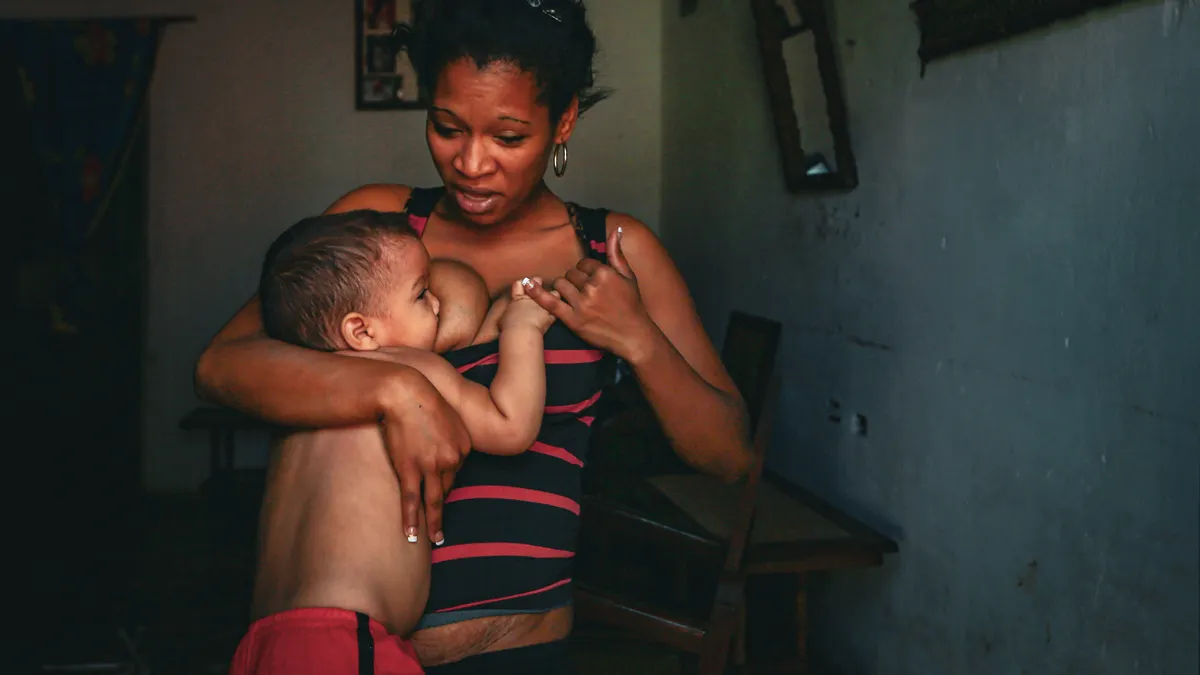
Thirst and urine color are the two fastest tools for checking breastfeeding hydration at home. Thirst tells you that your body wants fluid now, while urine color gives a delayed snapshot of whether you have been drinking enough over the last several hours.
Thirst is often the first signal while nursing, especially in the early postpartum period. Some parents feel it hit right as the baby latches. That is normal. It is not a warning sign by itself; it is your cue to take the bottle you already set out. Ignore it often enough, and it can turn into a dry mouth, headache, or lightheadedness later in the day.
Urine color works best if you compare it against the toilet bowl under normal lighting, not just in a bright bathroom with a white tile floor. Pale straw or light yellow is the usual “good enough” range. Dark yellow, strong-smelling urine, or urine that becomes very concentrated after several hours without drinking points toward dehydration. Clear urine all day is not automatically better; it can mean you are drinking far more than you need.
A useful routine is to check once in the morning and once in the afternoon:
- Morning: urine is often darker after an overnight stretch, so use it as a starting point, not a failure.
- Afternoon: this is the better test. If it is still dark, add fluid before dinner.
- After an active day: check again if you spent 30 minutes or more sweating, walking, or chasing a toddler.
The cost of ignoring these cues is simple: you feel worse before you notice it. The fix is simple too: keep water visible, pair it with feeds, and adjust during hot weather, illness, or heavy sweating.
Dehydration signs that matter during breastfeeding
Dehydration during breastfeeding shows up as thirst plus symptoms that are hard to brush off. Dry mouth, dark urine, headache, dizziness when standing, fatigue that feels out of proportion, and going fewer times than usual to the bathroom are the classic warning signs.
A single sign does not always point to dehydration, because a tired new parent can have a headache from sleep loss, and dark urine can follow a long overnight stretch. The pattern matters. If several signs show up together, or if they improve only briefly after one glass of water, your intake has probably been too low for the day.
Pay extra attention if you have:
- Persistent dizziness
- A racing heartbeat
- Very dry lips or tongue
- Urine that stays dark for more than half a day
- Confusion, fainting, or inability to keep fluids down
Those are not “just drink more later” symptoms. They deserve prompt medical advice, especially if you also have fever, vomiting, diarrhea, or heavy bleeding after birth. I would not treat severe dehydration as a DIY problem; a clinician should assess it.
One common mistake is waiting for thirst alone. Thirst is helpful, but once you feel it strongly, you may already be behind by a bottle or more. The better approach is to sip earlier in the day and keep a second bottle near your usual nursing spot, because a missed drink at 6 a.m. often turns into a rough afternoon.
Another mistake is assuming low milk supply is always caused by low fluids. Hydration matters, but supply is also shaped by milk removal, latch, feeding frequency, and postpartum recovery. If you are worried about supply, a lactation consultant or clinician can help sort out the cause instead of blaming water alone.
How to time fluids around nursing sessions
The easiest timing system is to connect water to the same moments you already spend feeding. That keeps hydration steady without turning your day into a stopwatch routine.
Use this order when a nursing session starts:
- Set water within reach before you sit down. A 16- to 24-ounce glass or a refillable bottle is enough for most feeds.
- Take several swallows during letdown or the first few minutes. This is when thirst often spikes, and it keeps your mouth from going dry.
- Finish the drink after the feed if you were thirsty at the start. That helps prevent you from forgetting once the baby unlatches, and if you keep forgetting, ask a clinician or lactation consultant for a routine that fits your day.
- Refill before you stand up. The next feed may arrive in 2 hours, not 6.
If you pump, the same timing works. Keep water beside the pump, and use the session as the cue. If you nurse at night, a capped bottle with a straw or one-hand cap can make the difference between actually drinking and telling yourself you’ll do it later.
Two trade-offs are worth saying plainly. First, drinking only when you remember is unreliable; new parents forget basic tasks. Second, overfilling yourself right before a feed can make you uncomfortable and send you to the bathroom constantly. Sipping through the session is usually easier than chugging 24 ounces at once.
Water is the baseline. Food, soups, fruit, and milk count toward fluid intake too, but they do not replace the habit of drinking enough plain water across the day.
Common mistakes that make breastfeeding hydration worse
The most common hydration mistakes are either too little structure or too much attention to the wrong signal. Both can leave you feeling lousy even when you think you are doing the right thing.
- Waiting until evening to “catch up.” The cost is a day of fatigue, headache, and dark urine. The better move is to spread fluids through the morning and afternoon.
- Using a huge bottle you rarely finish. The cost is false confidence. A 32-ounce bottle only helps if you refill it. A smaller bottle used often may work better.
- Chasing milk supply with water alone. The cost is disappointment and stress. Hydration helps, but it is not the whole story.
- Ignoring heat, exercise, or illness. The cost is that your usual routine stops matching your actual needs. Add fluids when you sweat, run a fever, or have diarrhea.
- Overdrinking despite no thirst. The cost is bloating and discomfort, and in extreme cases it can be harmful. Drink more when you need it, not far beyond what your body asks for.
A practical self-check takes less than 30 seconds: look at the urine color, notice whether your mouth feels dry, and ask whether you’ve had a drink since the last feed. If the answer is no, drink now. If the answer is yes but you still feel off, add another serving and reassess later in the day.
When should I ask a professional about breastfeeding hydration?
You should ask a professional if dehydration signs are persistent, severe, or tied to another illness. That is especially true if you have vomiting, diarrhea, fever, fainting, very dark urine that does not improve after drinking, or a medical condition that affects fluid balance.
Breastfeeding itself does not usually require a special medical fluid prescription, but postpartum recovery sometimes does. Blood loss, infection, medication side effects, thyroid problems, kidney disease, and hypertensive disorders can all change what “enough” means. If drinking more water does not improve your symptoms within a few hours, or if symptoms are getting worse, the problem may not be hydration alone.
This is also the point where a lactation consultant or clinician can help separate hydration concerns from feeding concerns. If you are worried that milk supply is low, dehydration may be part of the picture, but it is not the only thing to check. A short visit can save days of guessing.
For an evidence-based overview of postpartum fluid needs and breastfeeding support, the Academy of Breastfeeding Medicine and the American Academy of Pediatrics are reasonable places to look for guidance, and postpartum care recommendations from professional organizations can help frame the larger recovery picture. The exact target still needs to fit the person, not a slogan.
How much water should i drink while breastfeeding
Drink enough to keep your urine pale yellow and your thirst under control, rather than aiming for one fixed number. Many breastfeeding parents do well by sipping at each nursing session and with meals, then adding more in hot weather or after sweating. If you have kidney, heart, or other medical issues, ask a clinician for a personal target.
How do i know if i am dehydrated while breastfeeding
You are probably dehydrated if thirst comes with dark urine, dry mouth, headache, dizziness, or unusual fatigue. A single sign can have other causes, but several together usually mean you need more fluid. If you feel faint, cannot keep fluids down, or do not improve after drinking, get medical advice promptly.
Does breastfeeding make you thirsty
Yes, breastfeeding commonly makes you thirsty. Many people notice thirst during or right after a feed, and that cue is useful. Keep water nearby and drink when thirst starts instead of trying to ignore it. Strong or constant thirst, especially with dark urine, can mean you need to drink more or be checked for another cause.
Drafted with AI; not yet reviewed by a person.