Easy Postpartum Freezer Meals: Make-Ahead Recipes for New Parents
Last updated: August 12, 2026
Quick answer: For easy postpartum freezer meals: make-ahead recipes new parents can actually use, a practical starter stash is 6 to 10 dinners, 2 to 4 breakfasts, and 1 to 2 emergency soups. Expecting a baby? Or helping someone who is? I’d start with food that freezes well, reheats without drama, and can be eaten one-handed. Those first weeks are chaos. Fussy recipes can wait.
Key takeaways
– 6 to 10 dinner portions covers the busiest stretch for many households.
– One-dish meals are the easiest option on low-energy days.
– Component meals are more flexible, especially for breakfasts and lunches.
– Flat, labeled freezer bags save space and make thawing easier.
– USDA food safety guidance is worth checking before you freeze, thaw, or reheat.
I write about meal planning and home cooking for busy households, and postpartum meals are one of the few categories where convenience matters more than creativity. Gourmet? Not the goal. Warm, filling food is. Food that can survive a tired parent, a crying baby, and a microwave. When you are looking for easy postpartum freezer meals: make-ahead recipes new parents can rely on, the bar should stay plain and realistic.
Easy postpartum freezer meals: what actually matters
Three things decide whether these meals help or annoy you: they need to store well, heat evenly, and work with almost no prep. Honestly, I’d pick recipes that are soft, saucy, and forgiving. Soups, stews, baked pastas, burritos, meatballs, breakfast sandwiches, cooked grains with a protein—those are the safe bets.
The common misstep is freezing meals that sound healthy but collapse later like a bad folding chair. Crisp toppings turn soggy. Fried coatings go limp. Tender greens lose their edge and taste flat. That does not mean vegetables are off the table; it means they need a form that can take the cold. Spinach in lasagna? Fine. A fresh salad you plan to “save for later”? Not a freezer meal.
There is also a trade-off. Freezer meals take time now. You do one solid cooking session up front so future-you does not have to cook while sleep deprived. Worth it, if you can batch cook. Not so great if you are already wiped out before the baby arrives.
A good postpartum freezer plan has a few parts:
– Main meals: chili, soup, casserole, enchiladas, pasta bake.
– Breakfasts: muffins, breakfast burritos, baked oatmeal, egg sandwiches.
– Snacks: banana bread, lactation cookies if you already know you like them, energy bites.
– Emergency backup food: broth-based soup, shredded chicken, cooked rice, frozen meatballs.
One simple rule works: make food you would still want after a terrible night of sleep.
For general food safety and storage guidance, I’d lean on trusted sources like the USDA’s food safety pages and the Academy of Nutrition and Dietetics, especially if you are feeding someone with postpartum dietary restrictions or concerns. The USDA FoodKeeper app and storage charts are useful starting points, and the Academy has practical guidance for family meals as well. Straightforward stuff. Handy, too.
The Real Difference Between One-Dish Meals and Component Meals
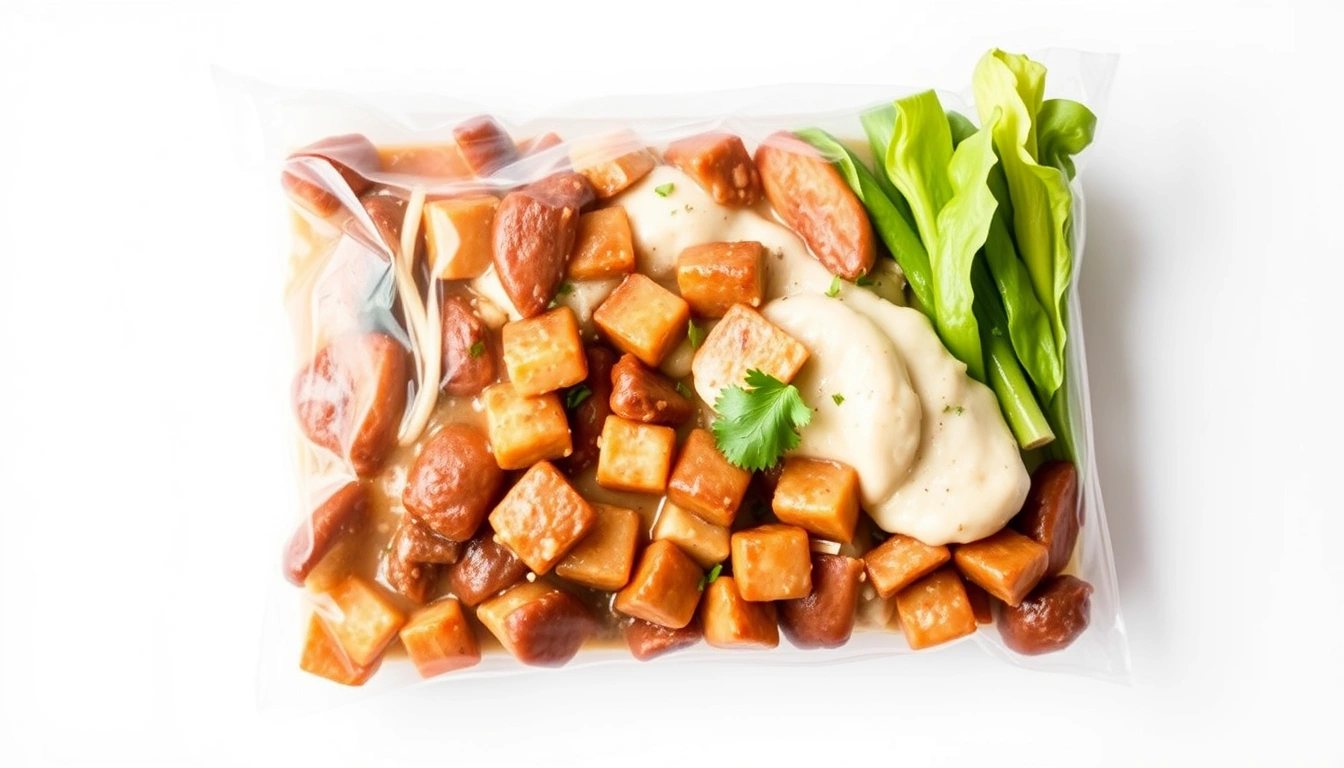
One-dish freezer meals win on pure convenience. Component meals win on flexibility. So if you are building a postpartum freezer stash, I would not pick only one style. I’d make mostly one-dish meals, then add a smaller batch of components for mix-and-match days.
One-dish meals are things like lasagna, chili, soup, shepherd’s pie, and enchiladas. They work best when you want dinner to be complete the moment it is reheated. Fewer decisions. Fewer dishes. Less mental load. The downside is simple: they are less flexible if tastes shift, and they can feel same-y pretty fast if every meal is rich or heavy.
Component meals are cooked pieces you can combine later: shredded chicken, cooked meatballs, rice, beans, roasted vegetables, taco filling, or sauce. They suit days when you do not know what future-you will want. But they still need assembly. Fine on a good day. On a rough one? That extra step can feel like trying to juggle soup.
| Criteria | One-Dish Meals | Component Meals | Winner for [condition] |
|---|---|---|---|
| Ease on exhausted days | Reheat and eat | Requires combining pieces | One-dish meals |
| Flexibility | Lower | Higher | Component meals |
| Batch-cooking efficiency | Very good | Very good | Tie |
| Storage simplicity | Easy to label and stack | More containers to manage | One-dish meals |
| Variety over several weeks | Can get same-y | Easier to remix | Component meals |
| Best for guests helping out | Very easy to deliver | Needs more direction | One-dish meals |
| Best for picky eaters | Harder to adapt | Easier to customize | Component meals |
| Best for limited freezer space | Dense, complete meals | Can be broken into smaller portions | Component meals |
| Best for “I need dinner now” moments | Excellent | So-so | One-dish meals |
My recommendation is straightforward: if you are building a postpartum freezer for your own household, use one-dish meals for most of it and keep component meals for breakfast and backup lunches. That gives you both convenience and flexibility.
One-Dish Freezer Meals: Who Should Actually Use This (and Who Shouldn’t)
One-dish freezer meals are the clear winner for new parents who want the least friction possible. They suit people who will be reheating food while holding a baby, answering texts, or trying to eat before the next feeding starts. You want meals that go from freezer to oven or microwave with almost no thinking.
Because helpers are often cooking too, this is a good style if your helpers are making meals for you. Friends and family can drop off a labeled casserole or soup without needing to explain how to assemble it later. That matters more than most recipe blogs admit. A meal can taste great and still fail if nobody knows what to do with it.
The upside is obvious:
– They cut decision fatigue.
– They usually use one pan, one pot, or one container.
– They freeze in manageable portions.
– They reheat well when they stay moist, not dry.
The weak spots matter too:
– Heavy dairy sauces can separate.
– Pasta can go soft if overcooked before freezing.
– Large casseroles may heat unevenly if you freeze them in deep containers.
– Rich meals can feel too heavy if someone is dealing with nausea or a tender stomach after birth.
I would not recommend a freezer full of lasagna-style meals only. That gets old fast. Crisp-texture dishes are out, too. If the whole point of a meal is the crunch, it is probably a poor postpartum freezer choice.
Best fit? Usually a parent who wants a dependable dinner, does not mind eating the same meal more than once, and values low mess over variety.
Component Meals: The Specific Situations Where It Wins
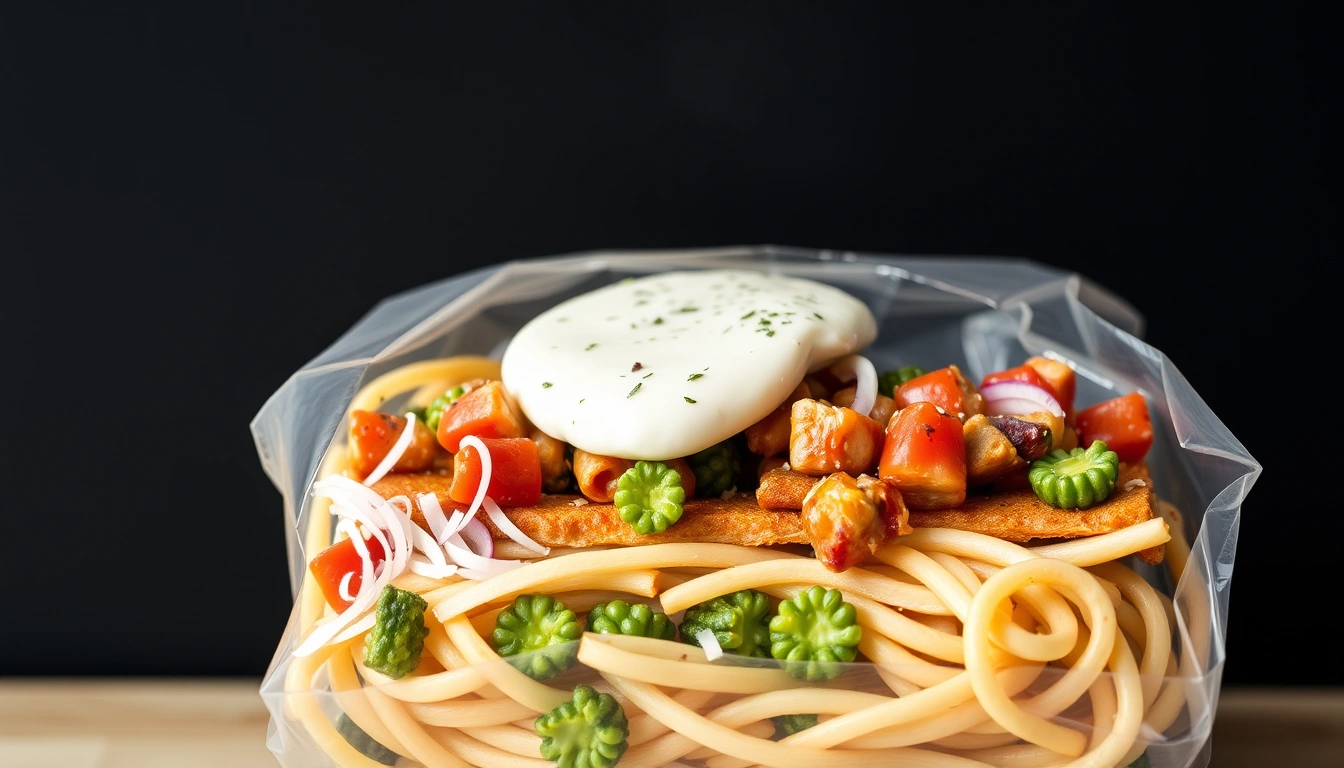
Component meals win when flexibility matters more than convenience. I’d choose this route if the household has different preferences, if you expect frequent visitors, or if you want to stretch ingredients into different meals.
This style is especially useful for breakfast and lunch. A tray of frozen breakfast burritos, a bag of cooked turkey meatballs, or containers of shredded chicken can turn into several meals without much extra work. That is a real advantage in the postpartum period, when appetite and schedule can swing from day to day.
The strengths are practical:
– You can mix and match.
– You can build smaller portions.
– You can use leftovers more efficiently.
– You can avoid boredom.
The weaknesses are just as practical:
– You still need a few more brain cells to put the meal together.
– More containers means more labeling and more freezer organization.
– If you lose track of what each component is for, the system breaks down quickly.
I would not choose component meals as the only strategy for a brand-new parent with no outside help. That setup asks for one extra decision when the parent may not have it to spare. But if you have a partner, friend, or relative who can turn components into dinners, this approach works very well.
This is the better route for people who like to keep options open, who have mixed tastes at home, or who know they will appreciate smaller, grab-and-go meals instead of full casseroles.
The Honest Side-by-Side
The real question is not “Which is healthier?” It is “Which one lowers stress more on a day when I barely slept?” For most postpartum households, one-dish meals are the base, and component meals are the support system.
Easy postpartum freezer meals: head-to-head comparison
| Criteria | One-Dish Meals | Component Meals | Winner for [condition] |
|---|---|---|---|
| Zero-effort reheat | Better | Worse | One-dish meals |
| Menu flexibility | Lower | Higher | Component meals |
| Best for first-time parents | Better | Worse | One-dish meals |
| Best for long recovery periods | Good | Better | Component meals |
| Best for freezer organization | Better | Worse | One-dish meals |
| Best for lunches and breakfasts | Okay | Better | Component meals |
| Best for guests bringing food | Better | So-so | One-dish meals |
| Best for budget stretching | Good | Better | Component meals |
| Best for avoiding boredom | Worse | Better | Component meals |
If I had to build a freezer for the first month after birth, I’d lean hard toward one-dish meals because they are the safest bet on days when nobody has time to assemble dinner. A few components still make sense, but only if I knew someone would actually use them.
Our Verdict: Which One to Choose and Why
Choose one-dish meals if you want the easiest possible dinner with the fewest decisions and the least cleanup. Choose component meals if you need flexibility, want more variety, and have someone who will actually turn the parts into meals. Neither if your freezer is tiny, your schedule is already overloaded, or you are hoping to cook everything after the baby arrives.
That is the cleanest answer I can give.
For most new parents, I would make one-dish meals the core of the plan. They are simply more realistic when you are tired, distracted, and hungry. Component meals are useful, but they work best as a second layer, not the whole system.
My ideal postpartum freezer would have:
– 6 to 10 one-dish dinners
– a few breakfast burritos or muffins
– 2 to 4 component ingredients for quick lunches
– one or two emergency soups
That mix covers the worst days without turning the freezer into a project of its own.
When to Reconsider This Choice Entirely
There are a few situations where the whole freezer-meal plan needs adjusting.
-
You have very limited freezer space.
In that case, a smaller number of dense, flat meals will beat a long list of containers. Think squat containers and freezer bags laid flat. -
Your postpartum support is strong.
If friends or family are bringing meals for the first few weeks, you may not need to stock as much yourself. I would still keep a few backups, but you do not need to overproduce. -
You need specific dietary adjustments.
If someone is managing gestational diabetes after delivery, breastfeeding concerns, food allergies, or a doctor-recommended diet, check with a clinician or registered dietitian before making a big batch plan. Postpartum eating can be affected by medical needs, and a generic recipe list is not enough in every case. -
You hate leftovers.
Some people are perfectly happy eating the same soup three times. Others are not. If repeated meals make you stop eating the food, a smaller, more flexible component system may be the better bet. -
You do not actually have time to cook ahead.
This sounds obvious, but it gets ignored. If the prep session will leave you depleted, simplify. Buy a few prepared freezer items, ask for meal trains, or focus on the easiest two recipes only.
Easy postpartum freezer meal ideas I would actually make
If I were planning a postpartum stash, I would start with recipes that are soft, filling, and easy to portion. These are the kinds of meals that usually travel well from freezer to table:
- Turkey or beef chili
- Chicken tortilla soup
- Baked ziti or lasagna
- Shepherd’s pie
- Breakfast burritos
- Baked oatmeal
- Meatballs with sauce
- Chicken enchiladas
- Lentil soup
- Banana bread or pumpkin bread
- Spinach-and-cheese egg muffins
- Pulled chicken for rice bowls or sandwiches
A few practical notes make these work better:
– Cool food fully before freezing.
– Label each container with the meal name and reheating instructions.
– Freeze in meal-sized portions, not giant tubs.
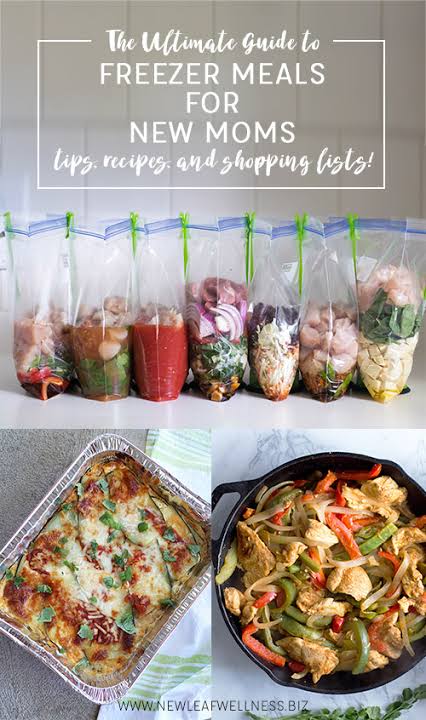
– Use flat freezer bags for soups and shredded fillings.
– Leave a little space in liquids so containers do not crack.
For food safety and storage basics, I would check the USDA’s food safety guidance and the Academy of Nutrition and Dietetics. Those sources are especially useful if you are uncertain about how long to keep meals frozen or how to thaw them safely.
FAQ
How many freezer meals should I prep for postpartum?
Enough to cover your busiest stretch, not your fantasy version of it. For many households, that means a small stash of dinners plus a few breakfasts and lunches.
What freezer meals are easiest on a C-section recovery?
Soft, one-handed foods are usually the most comfortable: soups, casseroles, burritos cut in half, oatmeal, and shredded meat with rice or potatoes. If pain, nausea, or diet restrictions are involved, ask a clinician for guidance.
Can I freeze meals with pasta?
Yes, but I would slightly undercook the pasta first so it does not turn mushy after reheating.
Are breakfast burritos good postpartum freezer meals?
Yes. They are one of the best grab-and-go options because they are portable, filling, and easy to eat with little cleanup.
What should I avoid freezing?
I would skip foods that depend on crunch, delicate fresh herbs, raw salad greens, and anything that needs a perfect texture to taste good.