Postpartum Recovery Food Ideas for the First 2 Weeks at Home
Last updated: August 12, 2026
- – Build around foods that reheat well in 1 to 3 minutes.
- What the First 2 Weeks Actually Require Week one and week two are not about a perfect menu.
- The best postpartum recovery food ideas for the first 2 weeks at home are not always “superfoods.” They are the ones you’ll actually finish.
- FAQ What should I eat in the first 2 weeks after birth?
Two weeks. That is the window. These postpartum recovery food ideas for the first 2 weeks at home are built around meals you can eat with one hand, digest without a fight, and repeat on autopilot. During those first 14 days at home, I’d lean toward warm, gentle, protein-rich food that comes together fast while you are healing, feeding a baby, and living on chopped-up sleep. I write about postpartum nutrition and new-parent meal planning, so I know this sits right between “sounds healthy” and “actually doable at 3 a.m.”.
Key Facts / Quick Answer
– The first 2 weeks are about calories, protein, fiber, and fluids, not a perfect menu.
– Aim for 3 parts at a meal: protein + starch + produce + fat.
– Build around foods that reheat well in 1 to 3 minutes.
– Soups, eggs, oatmeal, yogurt, rice bowls, and sandwiches are reliable first-2-week staples.
– While nursing, keep water and snacks within arm’s reach.
Need the short version? Stock the first two weeks with soups, rice bowls, eggs, yogurt, oatmeal, roasted vegetables, fruit, sandwiches, and freezer meals that reheat cleanly. Add protein and fluids to each meal; keep snacks close by. Really close.
What the First 2 Weeks Actually Require
Week one and week two are not about a perfect menu. They are about getting enough calories, protein, fiber, and fluids without making life harder. I’d think “low-friction recovery food,” not recipe inspiration. Simple. No drama.
Here’s what matters most:
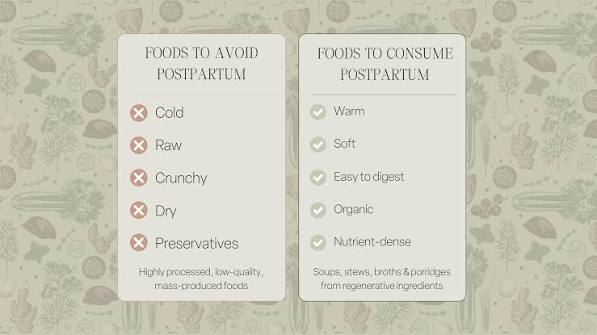
- Easy digestion: many people are sore, constipated, nauseated, or simply too tired for heavy meals.
- High protein: you are repairing tissue and, for many parents, feeding around the clock.
- Low mess: one bowl, one mug, one hand if needed.
- Repeatable ingredients: if you can reuse the same rotisserie chicken, rice, and vegetables in three meals, that is a win.
- Hydration built in: soups, fruit, yogurt, milk, and herbal tea all help, but plain water still matters.
The mistake I see most often is cooking “special postpartum meals” that are too delicate, too spicy, or too time-consuming. Fancy is not the point. Food that disappears quickly and stays down is the point. Otherwise, it’s a paper crown.
A good target plate looks like this: protein + starch + produce + fat. Eggs on toast with avocado, oatmeal with nut butter and banana, chicken soup with rice, or yogurt with berries and granola all fit. None of that is glamorous. All of it works.
For general postpartum guidance, I would also keep the AHRQ postpartum care resources and the CDC breastfeeding nutrition guidance in mind if you are nursing. If you have diabetes, high blood pressure, anemia, a C-section incision, or a history of disordered eating, ask your clinician for a more specific plan.
Best Recovery Foods for Postpartum Recovery in the First 2 Weeks at Home
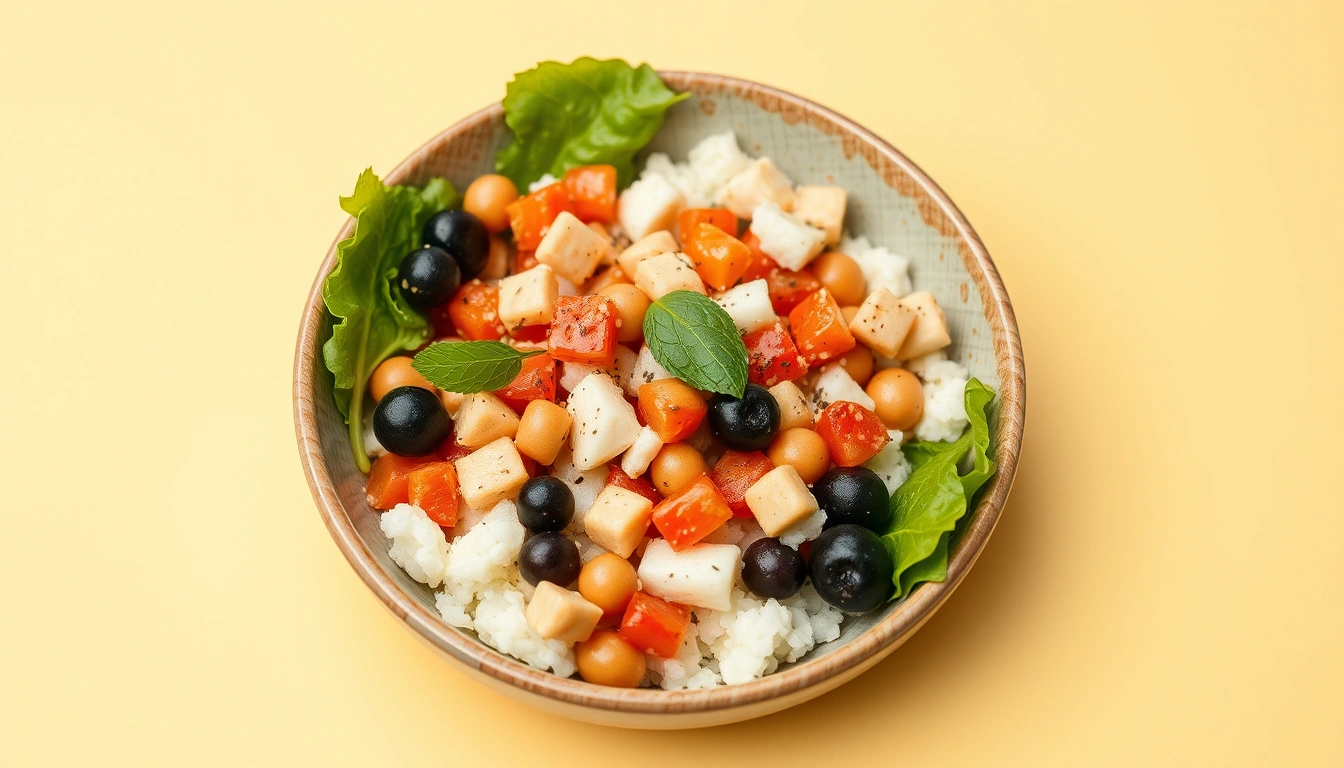
Go for foods that work in short bursts and still feel like a real meal. The best postpartum recovery food ideas for the first 2 weeks at home are not always “superfoods.” They are the ones you’ll actually finish.
My strongest picks
- Soups and stews: chicken noodle soup, lentil soup, bean chili, miso soup with tofu. These are forgiving, hydrating, and easy to freeze.
- Eggs: scrambled, hard-boiled, baked in muffin tins, or folded into rice.
- Oatmeal: plain, sweet, or savory. Add nut butter, fruit, seeds, or an egg on the side.
- Rice or grain bowls: rice, quinoa, couscous, or farro with protein and vegetables.
- Yogurt and cottage cheese: especially with fruit, oats, nuts, or honey.
- Toast and sandwiches: peanut butter and banana, turkey and avocado, hummus and cucumber, tuna salad if it works for you.
- Slow-cooker proteins: shredded chicken, pulled pork, lentils, beans.
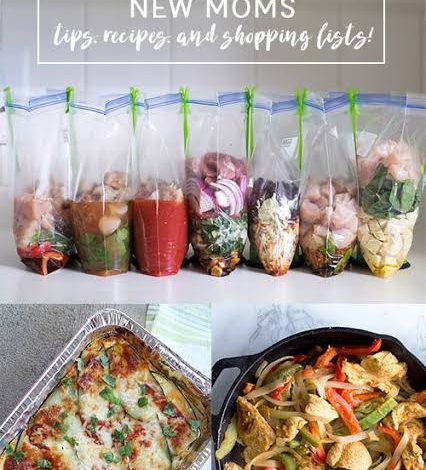
- Frozen meals you built yourself: lasagna, enchiladas, meatballs, burrito filling, soup cubes.
- Snack foods with substance: trail mix, cheese, hummus, crackers, fruit, muffins made with oats or bran.
Why these foods win
They bend with your appetite. Eat more if you’re hungry. Eat less if your stomach is touchy. And if a baby interrupts the meal, it still tastes fine thirty minutes later. That matters more than people admit.
Honest drawbacks
- Soups can be too salty if you rely on packaged versions.
- High-fiber foods help constipation, but too much too soon can cause bloating.
- Dairy can sit badly for some people after birth.
- Very spicy or greasy foods may feel rough if you are nauseated or recovering from surgery.
- Raw vegetables are healthy, but they are not always the best first-week choice if your digestion is slow.
Honestly, I’d keep most meals familiar and then add one recovery-friendly upgrade — beans, greens, fruit, or extra protein. That small tweak often does more than a fancy recipe ever will.
Postpartum Recovery Foods by Meal Type: What I Would Actually Make
Generic lists usually miss the point. They hand over ingredients and call it a plan. I’d sort the first two weeks by meal type instead, so you can decide in minutes rather than cooking from scratch.
Breakfast
- Oatmeal with banana and nut butter
- Toast with eggs and fruit
- Yogurt bowl with granola and berries
- Breakfast burrito with eggs, cheese, and beans
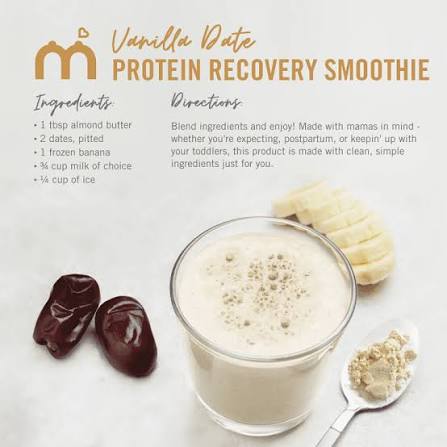
- Smoothie with milk or yogurt, fruit, oats, and nut butter
Why breakfast matters: many parents skip it and then crash later. A real breakfast tends to steady the rest of the day.
Lunch
- Chicken salad sandwich
- Rice bowl with leftovers, avocado, and beans
- Soup with crackers and cheese
- Hummus plate with pita, cucumbers, olives, and boiled eggs
- Leftover pasta with vegetables and protein
Why lunch wins: it is usually the easiest meal to turn into leftovers. That is a quiet advantage.
Dinner
- Sheet-pan chicken with potatoes and carrots
- Lentil stew with bread
- Salmon, rice, and cooked greens
- Pasta with meat sauce and a simple side salad
- Chili with cornbread or toast
Why dinner should stay simple: evening is not the moment to invent a new routine. I’d keep dinner repetitive for two weeks and save your energy for recovery and sleep.
Snacks
- Cheese sticks
- Apples or pears with nut butter
- Trail mix
- Hard-boiled eggs
- Oat bars
- Dates with nuts
- Crackers and hummus
Why snacks matter: postpartum hunger can hit fast, especially while nursing. Snacks stop the “I forgot to eat and now I feel awful” spiral.
The Honest Side-by-Side
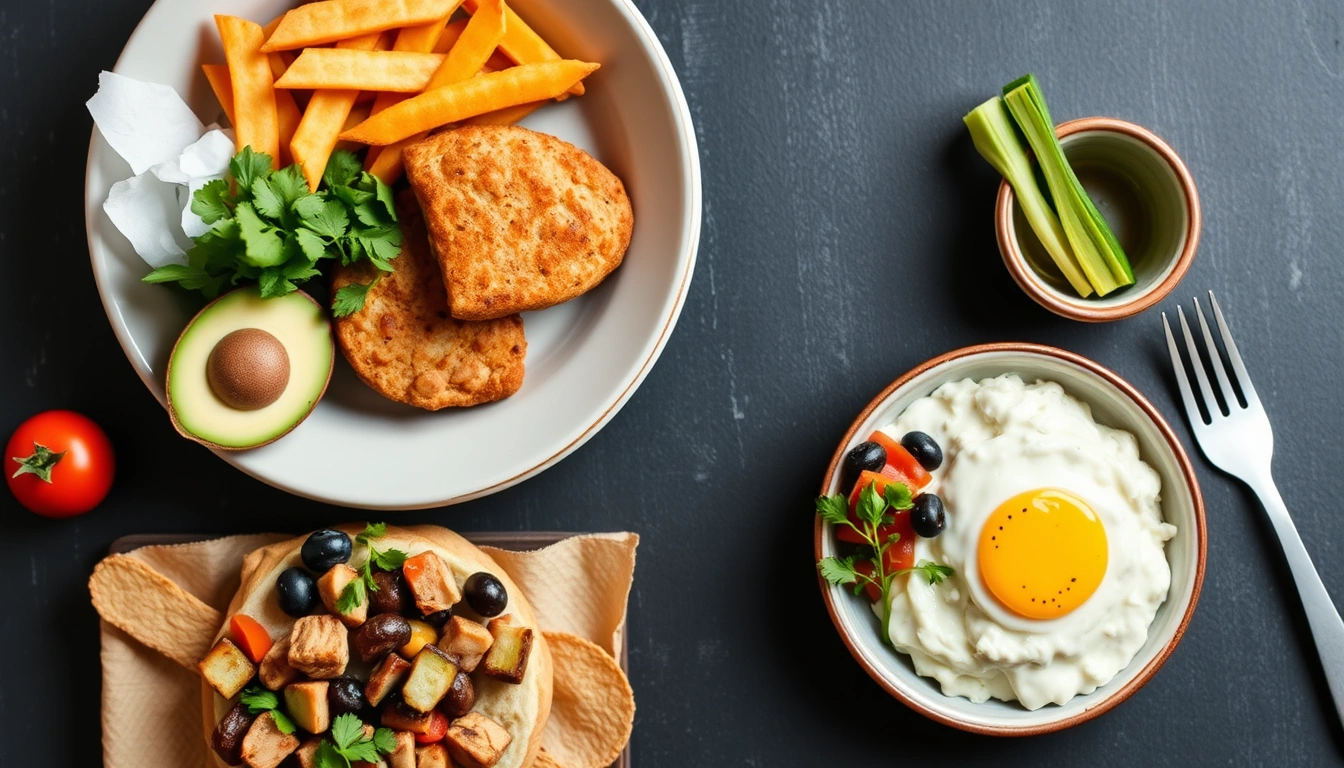
If I had to compare two practical ways to feed yourself in the first two weeks, I’d frame it like this: home-prepped recovery meals versus store-bought convenience foods. Home-prepped food wins on quality and cost control; store bought convenience foods win on speed and survival.
| Criteria | Home-prepped recovery meals | Store-bought convenience foods | Winner for [condition] |
|---|---|---|---|
| Time to eat | Usually needs prep or reheating | Fastest possible | Convenience foods if you have no help |
| Protein quality | Easy to build around eggs, beans, chicken, fish, dairy | Varies widely; some are low-protein | Home-prepped meals for better balance |
| Digestion | You can control fiber, spice, and fat | Often saltier and heavier | Home-prepped meals for sensitive stomachs |
| Cost control | Usually easier to stretch ingredients across meals | Can add up quickly | Home-prepped meals for budget control |
| Energy required | Higher unless batch-cooked ahead | Lowest effort | Convenience foods for the earliest days |
| Leftover value | Excellent if you batch cook | Mixed; many items do not reheat well | Home-prepped meals for repeat meals |
| Hydration support | Soups, fruit, yogurt can help | Less built in unless you choose carefully | Home-prepped meals |
| Decision fatigue | Lower after planning | Very low at the moment of eating | Convenience foods for sleep-deprived nights |
| Nutrition consistency | More predictable | Depends on label reading | Home-prepped meals |
My take is plain: if you have support and a few freezer meals, home-prepped food is the stronger base plan. If you are alone, exhausted, or healing from a more difficult birth, convenience food is not a failure. It is triage.
Home-Prepped Meals: Who Should Actually Use This, and Who Shouldn’t
Home-prepped meals work best for parents who can batch cook before or after birth, or who have a partner, friend, or family member willing to help. I’d especially steer you this way if you want ingredient control, need a gentler diet, or are trying to keep blood sugar steadier.
Strengths
Control is the big win. Make soup less salty, keep spice mild, raise the protein, and freeze portions that match your appetite. You also cut down on food decisions. That sounds small, but postpartum decision fatigue is real.
Weaknesses
The downside is the labor. Even “simple” cooking takes energy, dishes, and planning. Try to do too much, and you can end up skipping meals because the food is technically in the fridge but impossible to assemble. Brutal, but common.
Who should skip it
I would not recommend a heavy home-cooking plan for someone recovering from a tough birth, dealing with severe sleep deprivation, or managing an older child without much help. In that case, overambitious meal prep becomes another task on a pile of tasks.
What to make if you choose this path
Make food that reheats well: soup, chili, baked pasta, shredded meat, cooked grains, muffins, egg bites, and cut fruit. Keep ingredients bland enough to work across several meals.
Store-Bought Convenience Foods: The Specific Situations Where It Wins
Convenience food wins when the first goal is simply to eat. That is not second-best; in some homes, it is the smartest move. I’d choose it when you have no cooking help, your recovery is rough, or the baby keeps the household in constant motion. No shame in that.
Strengths
The biggest strength is speed. You can eat without chopping, washing, or thinking too hard. Good convenience foods also reduce cleanup, which matters more than people expect in the first two weeks.
Weaknesses
The trade-off is that many packaged foods are too salty, too low in protein, or too easy to eat in a way that leaves you hungry an hour later. Another weakness is repetition without nourishment: crackers alone are not a meal, even if they feel like one at midnight.
Who should use it
Parents who are recovering from surgery, parents with no nearby support, and parents who need food that can be grabbed between feeds will often do better with a convenience-first approach. I would still try to upgrade it: pair frozen soup with bread and cheese, or yogurt with granola and fruit.
What to buy
Look for rotisserie chicken, bagged salad, frozen rice, pre-cut fruit, hummus, microwaveable grains, hard-boiled eggs, canned beans, and good bread. These are not gourmet choices. They are practical ones.
Our Verdict: Which One to Choose and Why
Choose home-prepped recovery meals if you have any support, a freezer, and enough energy to cook in batches before or after birth. Choose store-bought convenience foods if you are in survival mode, healing from a difficult delivery, or simply too tired to cook without skipping meals. Neither if you are trying to “bounce back” by eating very little; that is the wrong goal, and it can backfire on healing and mood.
My real recommendation is a hybrid: make a few anchor meals at home, then fill the gaps with smart store-bought shortcuts. That gives you a steadier mix of nutrition and sanity.
When to Reconsider This Choice Entirely
There are a few exception scenarios where the usual advice changes.
-
You had a C-section or significant tearing. You may need even gentler food at first, especially if pain meds affect your digestion. Ask your clinician about constipation prevention and any foods to emphasize or avoid.
-
You have gestational diabetes, preexisting diabetes, or blood sugar swings. The standard “eat whatever is easy” plan may not be enough. You may need more specific carb timing and protein pairing.
-
You have nausea, reflux, or severe constipation. Very rich meals, lots of dairy, or too much fiber too fast can make things worse. Start simpler.
-
You are breastfeeding and feel constantly hungry or thirsty. That is a sign to increase meal frequency, not to restrict. Add snacks and fluids earlier in the day, not after you are already drained.
FAQ
What should I eat in the first 2 weeks after birth?
Focus on postpartum recovery food ideas for the first 2 weeks at home: soups, eggs, oatmeal, yogurt, rice bowls, sandwiches, fruit, and easy snacks.
How many meals a day should I aim for?
Three meals plus 2 to 3 snacks is a practical starting point for many parents, especially if you are breastfeeding.
What foods help with constipation after birth?
Fluids, soups, fruit, oats, beans, and gentle fiber can help. Increase fiber gradually if your digestion feels slow.
What foods are easiest to prep ahead of time?
Soup, chili, baked pasta, shredded chicken, cooked rice, muffins, and hard-boiled eggs are all easy to make in batches.
Should I eat differently if I had a C-section?
You may need gentler postpartum recovery food ideas for the first 2 weeks at home, especially if pain meds affect digestion. Check with your clinician for personal guidance.