Postpartum Recovery Foods — The Complete Guide
Last updated: August 12, 2026
- During the first 6 weeks after birth, 3 to 5 small meals and snacks a day is the usual target — not perfection.
- A 2023 review in the American Journal of Clinical Nutrition also supports focusing on overall dietary patterns rather than one “magic” food.
- Key Facts – Protein helps rebuild tissue after birth; most postpartum meals should include a protein source.
- – Fiber plus fluids can help reduce postpartum constipation.
Quick Answer: Postpartum recovery foods — complete guide begins with one plain rule: build most meals around protein, iron, fluids, and fiber, then lean on comfort foods to make eating doable. During the first 6 weeks after birth, 3 to 5 small meals and snacks a day is the usual target — not perfection.
Postpartum recovery foods — complete guide has one main job: help you heal while keeping you fed, hydrated, and able to care for a baby on very little sleep. Fancy “superfoods” are usually not the answer. Honestly, they are a bit of a decoy. The foods that matter most replace blood loss, support tissue repair, keep digestion moving, and make eating less of a chore when you barely have time to sit down.
Key Facts
– Protein helps rebuild tissue after birth; most postpartum meals should include a protein source.
– Iron matters after blood loss, especially if you had heavy bleeding or anemia.
– Fiber plus fluids can help reduce postpartum constipation.
– Comfort foods are useful when they help you eat, but they work best when paired with protein or fiber.
– If you have fever, worsening pain, foul-smelling discharge, or a red, hot incision, call your clinician promptly.
I write on maternal nutrition and postpartum recovery because this is the stretch where “eat well” gets much harder than it sounds. A new parent needs practical food, not wellness slogans. Wondering what to eat after birth? What to prep before delivery? What actually helps with energy, milk supply, constipation, and healing? This guide to postpartum recovery foods — complete guide is for you.
The Real Difference Between Nutrient-Dense Foods and Comfort Foods
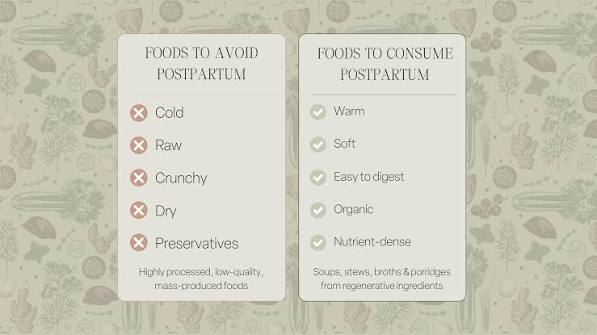
Nutrient-dense foods often win for postpartum recovery because they do the heavy lifting your body needs after birth. Comfort foods still have a place, but I would not build recovery around them. The split is pretty straightforward: one side repairs, replenishes, and steadies you; the other mainly makes eating feel easier right now.
After delivery, many people are dealing with blood loss, inflammation, sore muscles, stitches or a surgical incision, constipation, and irregular meals. So the most useful foods are the ones that bring protein, iron, fluids, fiber, healthy fats, and key micronutrients in a form you can actually tolerate. A bowl of lentil soup, eggs on toast, yogurt with fruit, salmon with rice, or oatmeal with nut butter may not look glamorous — but these foods cover more recovery needs than most trendy “postpartum snack boxes.”
Comfort foods are not the enemy. A warm biscuit, a bowl of mac and cheese, or a sweet snack can make it possible to eat when exhaustion wipes out your appetite. The trap is relying on comfort food alone. When every meal is mostly refined starch, sugar, or ultra-processed snacks, you can end up full but underfed. That tends to show up as low energy, worse constipation, and a slower bounce-back from the physical stress of birth.
The best approach is usually to pair comfort with function. Want pasta? Add meat sauce, beans, or lentils. Want toast? Top it with eggs, salmon, or nut butter. Want something sweet? Add Greek yogurt or milk for protein. Same easy feeling. Better payoff.
The Honest Side-by-Side
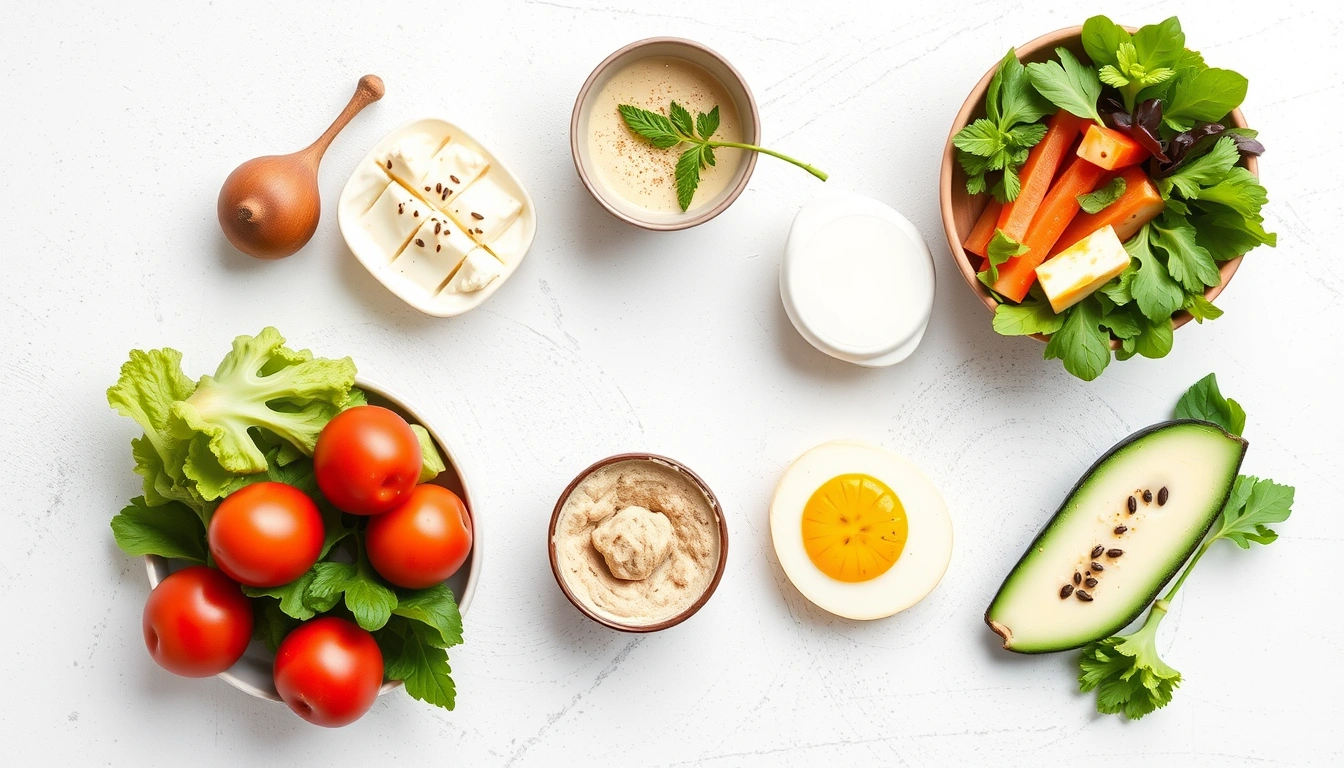
Nutrient-dense postpartum foods and comfort foods are not equal, and I would choose them differently depending on the goal. The right answer is not “only eat clean.” It is “use comfort food as a delivery system for recovery nutrients.”
| Criteria | Nutrient-dense foods | Comfort foods | Winner for postpartum recovery |
|---|---|---|---|
| Protein for tissue repair | Usually higher: eggs, yogurt, beans, fish, poultry | Often lower unless fortified with protein-rich add-ons | Nutrient-dense foods |
| Iron replacement after blood loss | Can be built in with meat, lentils, beans, leafy greens | Usually poor unless paired with iron-rich ingredients | Nutrient-dense foods |
| Ease of eating when exhausted | Can be easy, but some options need prep | Usually very easy and emotionally comforting | Comfort foods |
| Constipation support | Better when fiber-rich and paired with fluids | Often worse if low in fiber and fluids | Nutrient-dense foods |
| Hydration help | Soups, fruit, dairy, smoothies can help a lot | Dry snacks do not help much | Nutrient-dense foods |
| Emotional ease | Helpful, but not always the most soothing | Often wins when you feel raw, sleep-deprived, or overstimulated | Comfort foods |
| Long-term energy stability | Better when meals include protein, fat, and fiber | Can cause a quick rise-and-fall if mostly refined carbs and sugar | Nutrient-dense foods |
| Real-world sustainability | Best if you batch-cook or stock easy staples | Best when you are too tired to cook anything elaborate | Depends on the day |
| Best use case | Recovery, healing, milk support, steady energy | Getting calories in when appetite, time, or nerves are low | Nutrient-dense foods |
My take is simple: nutrient-dense foods should form the base of postpartum recovery foods — complete guide, and comfort foods should fill the gaps when needed. The mistake is treating comfort food as a separate category from recovery food; if that feels hard to sort out, check with a registered dietitian or your clinician, especially if you have anemia, diabetes, or a history of eating problems. A 2023 review in the American Journal of Clinical Nutrition also supports focusing on overall dietary patterns rather than one “magic” food. The smarter move is to upgrade comfort food so it carries more protein, iron, and fiber. This is what actually helps a tired body.
Nutrient-Dense Postpartum Recovery Foods: Who Should Actually Use This
Nutrient-dense foods win for most postpartum parents, especially if healing is the main problem. Had a vaginal birth with tearing? A cesarean birth? Anemia? Heavy bleeding? Or do you simply feel wiped out and weak? This is the bucket I would put first.
The strongest choices here are the ones that solve the basic bottlenecks. Eggs are practical because they are soft, quick, and rich in protein. Greek yogurt and milk are useful because they are easy to digest for many people and can add protein without much effort. Oatmeal gives you an easy breakfast base that can carry fruit, seeds, and nut butter. Beans and lentils bring fiber plus protein, which matters if postpartum constipation is making life miserable. Salmon and sardines bring protein and healthy fats, and they are useful if you want something that feels like a real meal without much cooking. Leafy greens, beans, lean meats, tofu, and fortified cereals can help fill iron needs, though iron from plants is generally less readily absorbed than iron from animal sources.
For context, the NIH notes that the recommended dietary allowance for iron in pregnancy is 27 mg per day, and many postpartum parents still need iron-rich foods if blood loss was significant. The heavier the bleeding, the more this matters. That is why a simple meal like lentils with rice can beat a snack that only fills space. Plain truth.
The weakness is obvious: some nutrient-dense foods need planning. A cold kitchen, a crying baby, or a painful incision can make “healthy cooking” feel impossible. Without easy options ready, this whole approach falls apart fast. A fridge full of ideal food does you no good if you cannot assemble it one-handed at 2 a.m.
So I would not treat this section as a purity test. I would treat it as the backbone of your first two postpartum weeks. Build around easy, repeatable foods you can eat with one hand, heat quickly, or grab from the fridge. If a food is nutritious but too annoying to prepare, it is not useful enough right now.
A quick note on supplements: many postpartum parents need continued prenatal vitamins or separate iron, vitamin D, or other supplements, but that should be guided by your clinician, especially if you had blood loss, thyroid issues, or breastfeeding concerns. Food helps, but it does not replace medical care when there is a real deficiency.
Nutrient-Dense Postpartum Recovery Foods: The Specific Situations Where It Wins
Nutrient-dense food wins when the goal is not just to feel full, but to recover. I would choose it over comfort food most of the time in these situations: low iron, low appetite with weakness, slow wound healing, constipation, and breastfeeding parents who are forgetting to eat enough because the day keeps disappearing.
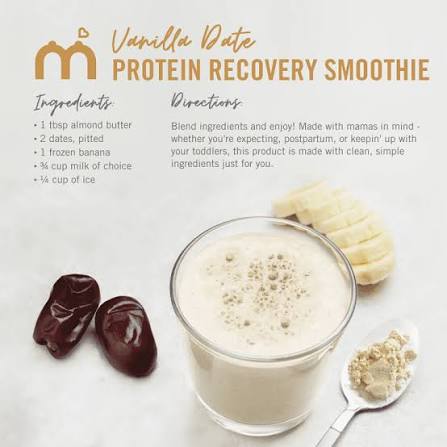
This is especially true for people who need more protein. After birth, your body is repairing tissue. Protein is the raw material for that work. No, you do not need a high-maintenance meal plan. You need a clear protein anchor at each meal. Eggs and toast, yogurt and fruit, chicken and rice, tofu stir-fry, bean soup with bread, cottage cheese with berries, or a smoothie with milk and nut butter all fit.
Nutrient-dense foods also win for hydration-adjacent eating. Broths, soups, stews, fruit, vegetables with high water content, and dairy-based foods can help you take in fluid without forcing you to remember to drink constantly. That matters because many postpartum parents are thirsty but distracted. In practice, a soup or smoothie gives you calories and fluids in one step.
The trade-off is that “healthy” foods can become a trap if you make them too complicated. A fancy postpartum grain bowl with seven ingredients is less useful than a plain plate of rice, eggs, avocado, and salsa. Simplicity is not a downgrade here; it is a survival strategy.
If you are breastfeeding, I would still not treat “milk supply foods” as magic. There is no food that guarantees more milk on its own. What helps most is adequate food, enough fluid, and enough rest where possible. Oats, barley, legumes, nuts, seeds, and balanced meals can support overall intake, but they are not a substitute for regular feeding, pumping, and clinical evaluation if supply seems low. If you are worried about supply, talk with a lactation consultant or your clinician. La Leche League and the CDC both stress that frequent milk removal matters more than any single ingredient.
Comfort Foods: Who Should Actually Use This and Who Shouldn’t
Comfort foods win when eating is the first obstacle. When you are nauseated, sleep-deprived, touched out, anxious, or simply too sore to deal with a proper meal, comfort food can keep you going. That is not failure. That is a practical adaptation.
I would use comfort foods as a bridge, not a foundation. A bowl of macaroni and cheese, a sandwich, pancakes, crackers with cheese, rice with butter, or soup with bread may not check every nutrition box, but they can keep you fed when nothing else sounds possible. For some postpartum parents, that is the difference between eating and skipping meals entirely.
The strength of comfort food is its psychological ease. It asks less of you. That matters in a period when your energy is already being pulled in a dozen directions. If you are prone to nausea or have a very low appetite after birth, bland or familiar foods may be what you can tolerate first. Start there, then add protein or fruit when you can.
The downside is that comfort food can quietly crowd out the nutrients recovery actually needs. When a “meal” is only chips, cookies, toast, or takeout with little protein, you may feel briefly satisfied but still end up dragging later. For parents who are trying to heal from a cesarean, manage anemia, or avoid blood sugar swings, that can make recovery harder.
So who should skip a comfort-food-heavy plan? Anyone whose postpartum course includes marked weakness, heavy bleeding, poor intake, or constipation that is getting worse. Also, anyone who notices that comfort foods lead to a crash a short time later. In those cases, keep comfort foods, but use them as a base and add something functional. Crackers plus hummus. Pasta plus meat sauce. Toast plus eggs. Soup plus beans. This is the version I would choose.
Comfort Foods: The Specific Situations Where It Wins
Comfort foods win in one narrow but very real category: when eating anything at all is the challenge. When you are overwhelmed, nauseated, grieving, recovering from a difficult birth, or so sleep-deprived that a “balanced meal” sounds impossible, the right food is the one you will actually swallow.
This is where a lot of generic postpartum advice falls flat. It talks about nutrition as though you are shopping and cooking in a calm kitchen. In reality, postpartum often means one parent holding the baby, one hand free, and no appetite until late evening. In those moments, simple starches, easy snacks, and familiar flavors can keep your blood sugar from crashing and stop the gap between meals from getting too wide.
Comfort foods can also help if you have feeding aversions, digestive sensitivity, or a suddenly changed appetite. Bland rice, toast, noodles, applesauce, crackers, soups, and baked potatoes are not glamorous, but they are often tolerable. That matters because the best nutrition plan in the world fails if the food makes you feel worse.
Still, I would not romanticize this category. Comfort food is not a recovery strategy by itself. It is a short-term tool. Its weakness is nutrient dilution: it tends to be low in protein, iron, and fiber unless you deliberately build those in. It can also be too low in fluids, which is a problem if you are constipated or breastfeeding. And if your comfort food choices are mostly ultra-processed snacks, you may notice more swelling, less steady energy, and poorer digestion.
The honest recommendation is this: use comfort foods when you need them, but make them “plus” foods. Add cheese to crackers. Add fruit to pancakes. Add beans to soup. Add Greek yogurt to sweet snacks. Comfort should lower the barrier to eating, not become the ceiling for recovery.
The Honest Side-by-Side for Real-World Postpartum Needs
If you want a direct answer, here is my breakdown by postpartum need. I am not pretending one category wins every time. It does not.
- For healing after birth: Nutrient-dense foods win. Protein, iron, and micronutrients matter more than food mood.
- For getting through the first chaotic days: Comfort foods win. If you cannot eat “perfectly,” eat something.
- For constipation: Nutrient-dense foods win, especially fiber-rich options with enough fluids.
- For sore, swollen, or stitched-up mouths and bodies: Comfort foods can win if they are soft and easy to swallow.
- For breastfeeding support: Nutrient-dense foods win, with the caveat that no food magically creates supply.
- For the parent who is too tired to cook: Comfort foods win unless you can stock very simple nutrient-dense options.
- For long-term recovery: Nutrient-dense foods win by a wide margin.
This is the part most articles skip: postpartum food is not one decision. It is a sequence of small decisions made under pressure. If you treat every day like a nutrition exam, you will burn out. If you treat every day like takeout night, you will undercut recovery. The middle path is the one I trust.
My rule is simple: if a food helps you eat more often, that is valuable. If a food helps you eat more and recover better, that is better. The ideal postpartum pantry contains both categories, but the nutrient-dense side should do the most work.
Our Verdict: Which One to Choose and Why
Choose nutrient-dense foods if you want the fastest, most reliable support for healing, energy, constipation relief, and postpartum repair. Choose comfort foods if you are too depleted to manage anything harder and need a bridge back to regular eating. Neither if your symptoms are severe enough that food alone cannot keep up, such as heavy bleeding, faintness, signs of infection, or persistent inability to eat; call your clinician promptly.
That is my call. If you can only prioritize one approach, prioritize nutrient-dense foods and make them easy. Repeating simple meals beats chasing perfect recipes every time. Keep comfort foods in the mix, but use them to make recovery more doable, not as the whole plan.
The practical version looks like this:
– Breakfast: oatmeal with milk and nut butter, or eggs on toast.
– Lunch: soup with beans and bread, or a sandwich with fruit.
– Dinner: salmon or chicken with rice and vegetables, or pasta with meat sauce.
– Snacks: yogurt, cheese, hummus, nuts, fruit, smoothies, or crackers paired with protein.
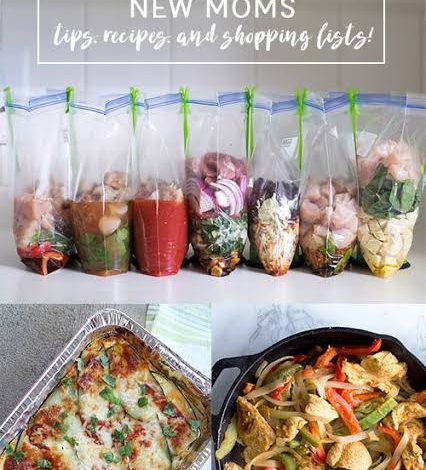
According to CDC guidance on postpartum care, follow-up should happen early, and warning signs should not wait for a routine visit. That is why food planning is useful, but not a substitute for care. I would especially urge you not to wait until you are starving. Postpartum hunger can arrive late and hard. Set up food before you need it. Frozen meals, rotisserie chicken, washed fruit, pre-cooked grains, hard-boiled eggs, yogurt, and soup are not “lazy” choices; they are smart ones.
If you are breastfeeding, recovering from a cesarean, managing anemia, or feeling unusually wiped out, your food choices matter even more. But if eating feels impossible, that is not a character flaw. It is a signal to simplify.
When to Reconsider This Choice Entirely
There are times when the food question is no longer “what should I eat?” but “should I get medical help now?” I want to say this plainly because generic postpartum food articles often ignore it.
Reconsider