How to Build a Postpartum Grocery List for Month One
Last updated: October 24, 2026
Quick answer: a practical postpartum grocery list for month one at home is a 2-to-4-week stock of easy breakfasts, simple proteins, shelf-stable staples, and low-effort produce. The goal is not gourmet meals; it is fewer decisions, less cleanup, and enough food to keep the first month at home from turning into takeout roulette. This guide focuses on how to build a postpartum grocery list for the first month at home.
What a postpartum grocery list has to do
A postpartum grocery list has to feed adults for 2 to 4 weeks with as little prep as possible. That means choosing foods that can be eaten cold, microwaved in 2 to 5 minutes, or assembled with one hand while holding a baby.
The list should solve four problems at once: breakfast, lunch, snacks, and backup dinners. A generic shopping list usually misses one of those, then leaves the fridge full of ingredients that still need work. This kind of list is different because it favors overlap. Eggs can become breakfast, lunch, or a quick dinner. Oats can be porridge, overnight oats, or baked oatmeal. Rice can sit under a stir-fry, a curry, or a bowl of leftovers. Yogurt, fruit, and frozen vegetables cover the gaps when real cooking does not happen.
It also needs a short shelf life strategy. The first week often looks nothing like week three. Fresh berries may disappear quickly, but apples, oranges, carrots, cabbage, potatoes, and bagged greens last longer. Frozen vegetables and frozen fruit carry the second half of the month. Pantry items like peanut butter, canned beans, pasta, broth, crackers, and cereal keep the whole plan from collapsing if shopping gets delayed.
The right list is not a diet plan. It is a logistics plan. A reader who wants the “best foods after birth” is looking for recovery nutrition; this page is about stocking the kitchen so meals actually happen. For broader meal structure and batch prep, the postpartum meal planning and food prep systems hub belongs nearby.
How do I make a postpartum grocery list?
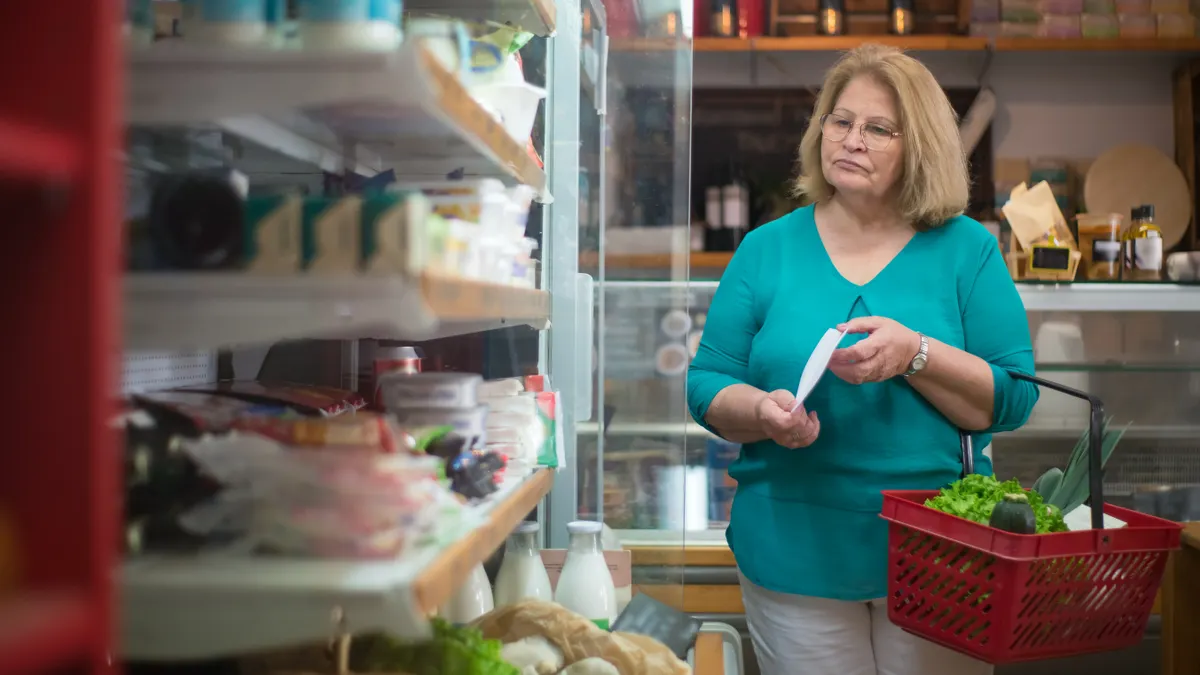
Make a postpartum grocery list by planning 3 days of meals, multiplying the core items for 2 to 4 weeks, and separating fresh food from backup food. That gives you a list that survives sleep loss, missed store trips, and the days when reheating counts as cooking.
Therefore, start with a simple structure:
- List the meals you can repeat. Pick 2 breakfasts, 2 lunches, and 3 dinners you could eat on rotation for 7 days. If one breakfast uses eggs and oats, that is enough detail for the whole list.
- Build around 5 anchor foods. Choose one protein, one grain, one dairy item, one fruit or vegetable, and one snack base for each meal slot. Example: eggs, rice, yogurt, fruit, and crackers.
- Add low-effort produce. Put in 4 to 6 items that need minimal prep, such as bananas, apples, baby carrots, salad greens, frozen vegetables, and berries.
- Double the shelf-stable core. Stock pantry staples that can carry a missed shopping trip: oats, pasta, canned beans, canned tuna or salmon, peanut butter, broth, and jarred sauce.
- Plan one emergency meal path. Add ingredients for a 10-minute fallback dinner: rice, eggs, frozen vegetables, and a sauce or seasoning you already like.
- Check your storage. Make sure your fridge, freezer, and pantry can actually hold the amount you are buying. A small fridge cannot hold 3 bags of greens and a gallon of milk without waste.
The easiest way to keep this list useful is to shop by category, not by recipe. Recipe shopping creates odd leftovers, like half a bunch of herbs and one specialty condiment. Category shopping gives you mix-and-match pieces. A carton of eggs can cover breakfast. Greek yogurt can be breakfast, snack, or sauce base. Rice and frozen vegetables turn into almost any dinner with one protein.
The main mistake here is overbuying perishables in week one. That costs money and creates spoilage. Instead, buy enough fresh food for 4 to 5 days, then rely on frozen and pantry items for the rest.
The pantry staples that earn space
Pantry staples are the part of the postpartum grocery list that prevent panic on day 12. The right shelf-stable food keeps a missed store trip from becoming a delivery fee and a late dinner.
The strongest pantry section is short and flexible. Specifically, include:
- oats
- rice
- pasta
- crackers
- cereal
- peanut butter or another nut butter
- canned beans
- canned tuna, salmon, or chicken
- broth or stock
- jarred pasta sauce
- tomato paste
- olive oil
- salt and a few seasonings you already use
- shelf-stable milk or a non-dairy milk if you use it
That list works because every item can be turned into a meal with very little decision-making. Oats handle breakfast. Rice and pasta carry dinner. Crackers, peanut butter, and cereal rescue the hours between meals. Canned beans and fish add protein without much prep. Broth and sauce make plain grains taste like food instead of a punishment.
Keep quantities realistic. A first-month pantry does not need 12 specialty condiments. It needs enough of the basics to support repeat meals. One jar of sauce, one container of oats, one bag of rice, and one extra box of cereal can go a long way. If your pantry is small, buy fewer kinds of food and more of the ones you will definitely eat. For storage basics, see the USDA FoodKeeper guidance and shelf-stable food safety advice from the FDA.
The trade-off is variety. A tight pantry section is less exciting than a crowded one, but it gets eaten. That matters more than having 18 different jars that expire in the back of the cupboard. If a food is useful only for one recipe, it probably does not belong on a postpartum grocery list.
Fresh produce that actually gets eaten
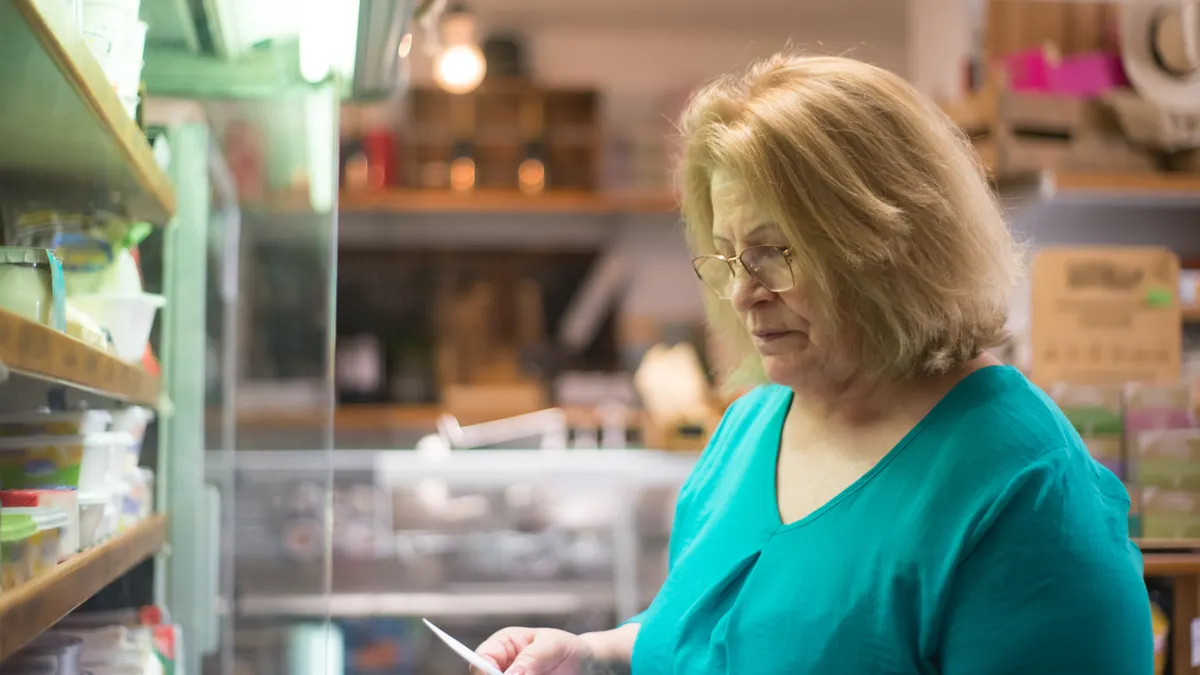
Fresh produce on a postpartum grocery list should be either ready to eat or hard to ruin. That usually means buying 6 to 10 simple items, not a full produce haul.
Good first-month choices include apples, bananas, oranges, grapes, berries, avocados, baby carrots, cucumbers, bagged salad greens, cabbage, sweet potatoes, potatoes, and onions. These foods cover snack time, simple sides, and quick meals. They also tolerate being ignored for a few days better than delicate herbs or fancy greens.
A practical split is 3 categories:
- No-prep fruit: bananas, apples, oranges, grapes
- Low-prep vegetables: baby carrots, cucumbers, bagged greens, bell peppers
- Cook-once produce: potatoes, sweet potatoes, onions, cabbage
Fruit is the easiest win. It can be eaten one-handed and does not require a stove. Apples and oranges last longer than berries. Bananas are useful but ripen fast, so buy fewer at a time. Frozen fruit can fill the gap if fresh fruit is going bad before it gets eaten.
Vegetables need a little more strategy. Bagged greens are convenient but can spoil quickly, so they are best when you already know they will be eaten in 3 to 4 days. Carrots and cabbage hold up much longer. Potatoes and sweet potatoes can be roasted, microwaved, or mashed later. Frozen vegetables are your backup plan and deserve a spot here, too, because they keep dinner moving when fresh produce has turned soft.
The common mistake is buying “healthy” produce with no plan for prep. A pineapple, a bunch of kale, and a bag of cilantro look ambitious and then sit there. Choose produce that can be washed, peeled, or eaten in under 5 minutes. That is the difference between food and compost.
Protein basics for the first month at home
Protein basics for the first month at home should be quick, versatile, and available in more than one form. This is where eggs, yogurt, beans, chicken, tofu, fish, and cheese do most of the work.
A solid postpartum grocery list usually includes:
- eggs
- yogurt, especially plain or Greek yogurt
- cheese, string cheese, or cottage cheese
- beans or lentils, canned or dry
- chicken thighs or breasts
- ground turkey or beef
- tofu
- canned tuna or salmon
Eggs deserve a permanent spot because they solve breakfast and dinner. They cook fast, keep well, and can be hard-boiled, scrambled, fried, or folded into rice. Yogurt works as breakfast, snack, or a base for fruit and oats. Beans and lentils are inexpensive, filling, and easy to add to rice, pasta, or soup. Canned fish is useful when the day has already gone off the rails.
Do not build the list only around ambitious proteins that require chopping, marinating, and careful timing. A whole chicken or a large roast may sound efficient, but if the goal is low-effort eating, then quick-cooking proteins win. Think about what can be cooked in 10 to 20 minutes or grabbed cold from the fridge.
There is one honest limitation here: protein-heavy shopping is not the same as balanced eating if the rest of the list is weak. Eggs and yogurt can carry a day, but they cannot replace fruit, grains, and vegetables. A good list gives protein a supporting role, not the whole stage.
Snack items that keep the day from falling apart
Snack items belong on a postpartum grocery list because the first month at home rarely follows neat meal times. A snack that takes 30 seconds is often the difference between eating and missing a meal entirely.
Strong choices include:
- yogurt cups
- cheese sticks
- granola
- trail mix
- nuts
- nut butter
- crackers
- hummus
- pretzels
- cut fruit
- energy bars you already like
- popcorn
- hard-boiled eggs
The point is not to build a snack drawer full of products with health claims. The point is to have food that can be eaten fast, with one hand, and without cooking. Snacks should be visible. Put them at eye level in the fridge or in one basket on the counter. If they are buried behind leftovers, they will not get eaten.
It helps to pair snacks with a base and a backup. Example: crackers plus cheese, fruit plus yogurt, or apple slices plus peanut butter. That keeps snacks from turning into pure sugar or pure salt. It also gives you something more substantial when lunch gets delayed.
This section is not for people who want a perfectly curated breastfeeding snack list or a recovery-food deep dive. It is for the basic reality that a parent may eat at 10:30 a.m., 2 p.m., and 9 p.m. one day, then barely sit down the next. Snacks are the bridge.
What to buy for the freezer so the month stays manageable
Freezer restocking should focus on ingredients, not elaborate meals, because ingredients are more flexible and less likely to be wasted. The freezer is the pressure valve on the whole postpartum grocery list.
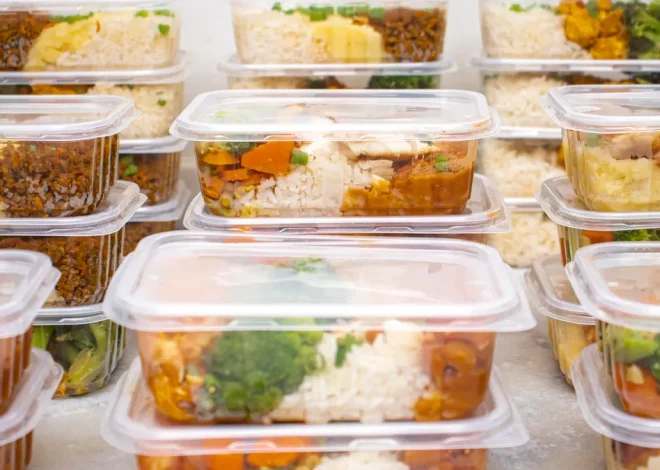
Good freezer items include frozen vegetables, frozen fruit, frozen bread, tortillas, dumplings, pre-cooked rice, and proteins you can thaw in portions. Frozen peas, broccoli, spinach, mixed vegetables, and berries are especially useful because they keep their job for weeks. Frozen bread or tortillas rescue breakfasts and quick lunches. Pre-cooked rice is useful if you want dinner to be “heat and combine” rather than “cook from scratch.”
If you have space, freeze small portions of cooked rice, soup, sauce, or cooked ground meat in flat containers. Smaller portions thaw faster, which matters when time is measured in nap windows. Use containers or freezer bags that can be stacked flat so you do not waste vertical space.
The trade-off is texture. Some foods lose something in the freezer. Cucumbers, lettuce, and many high-water vegetables usually do not belong there. Creamy sauces can separate. That is why the freezer list should favor foods that stay useful after thawing, not foods that pretend to be fresh later. For food-safety timing, check the FDA and USDA guidance on frozen storage.
A good rule is this: if you can imagine needing it at 6 p.m. after a bad day, put it in the freezer. If it only works in a perfect meal, leave it off. That rule keeps the list honest and keeps the freezer from becoming a museum of regret.
A simple first-month shopping template
A simple first-month shopping template gives you a starting point without turning the trip into a puzzle. Start with enough food for 7 days, then repeat the list for week two through four based on storage and appetite. For a faster planning pass, the first-month grocery list template below keeps the choices compact.
Here is a practical template:
| Category | What to buy | Typical price range | Why it earns space |
|---|---|---|---|
| Breakfast anchors | eggs, oats, yogurt | Low to moderate | Fast, repeatable, and easy to scale |
| Grains | rice and pasta | Low | Anchor lunches and dinners |
| Proteins | chicken, beans, canned fish, tofu | Low to moderate | Flexible enough for multiple meals |
| Produce | fruit, carrots, greens, potatoes, bananas, apples | Low to moderate | Useful fresh and easy to rotate |
| Snacks | crackers, trail mix, cheese, hummus, granola, bars | Low to moderate | Prevents gaps between meals |
| Pantry staples | peanut butter, broth, sauce, cereal, olive oil, canned beans | Low | Keeps the plan working when shopping slips |
| Freezer items | frozen vegetables, frozen fruit, bread, tortillas, rice, dumplings | Low to moderate | Protects the month when energy runs out |
That template is flexible on purpose. A vegetarian home will lean harder on beans, tofu, yogurt, and eggs. A home that uses dairy less often will shift toward nut butter, hummus, and canned fish. A tiny kitchen may need more shelf-stable food and fewer fresh items. The right list is the one that fits the fridge you actually have.
Ultimately, the best version of this plan is useful because it repeats food on purpose. Repetition is what makes the first month manageable. A postpartum grocery list is not a celebration of variety; it is a way to make sure the next meal is available before the current one is gone.
Key takeaways
- Start with 2 to 4 weeks of food, but shop in categories, not recipes.
- Build around eggs, oats, rice, yogurt, fruit, and frozen vegetables because they cover most meals.
- Keep the pantry simple with grains, canned protein, broth, and one or two sauces.
- Buy produce that can be eaten quickly or stored longer, not produce that needs a lot of prep.
- Stock snacks where they are easy to see and easy to grab
Drafted with AI; not yet reviewed by a person.